Why Regular Engine Maintenance Matters: Small Engine Repair Basics
Understanding the Importance of Regular Engine Maintenance
Regular engine maintenance is crucial for the longevity and efficiency of any small engine. Whether it's a lawnmower, chainsaw, or generator, these machines rely on well-maintained engines to perform optimally. Neglecting regular checks and tune-ups can lead to decreased performance, costly repairs, and even complete engine failure.
The first step in understanding why maintenance matters is recognizing the role of the engine as the heart of your machine. Much like how our bodies require care to function correctly, engines need attention to continue operating smoothly.
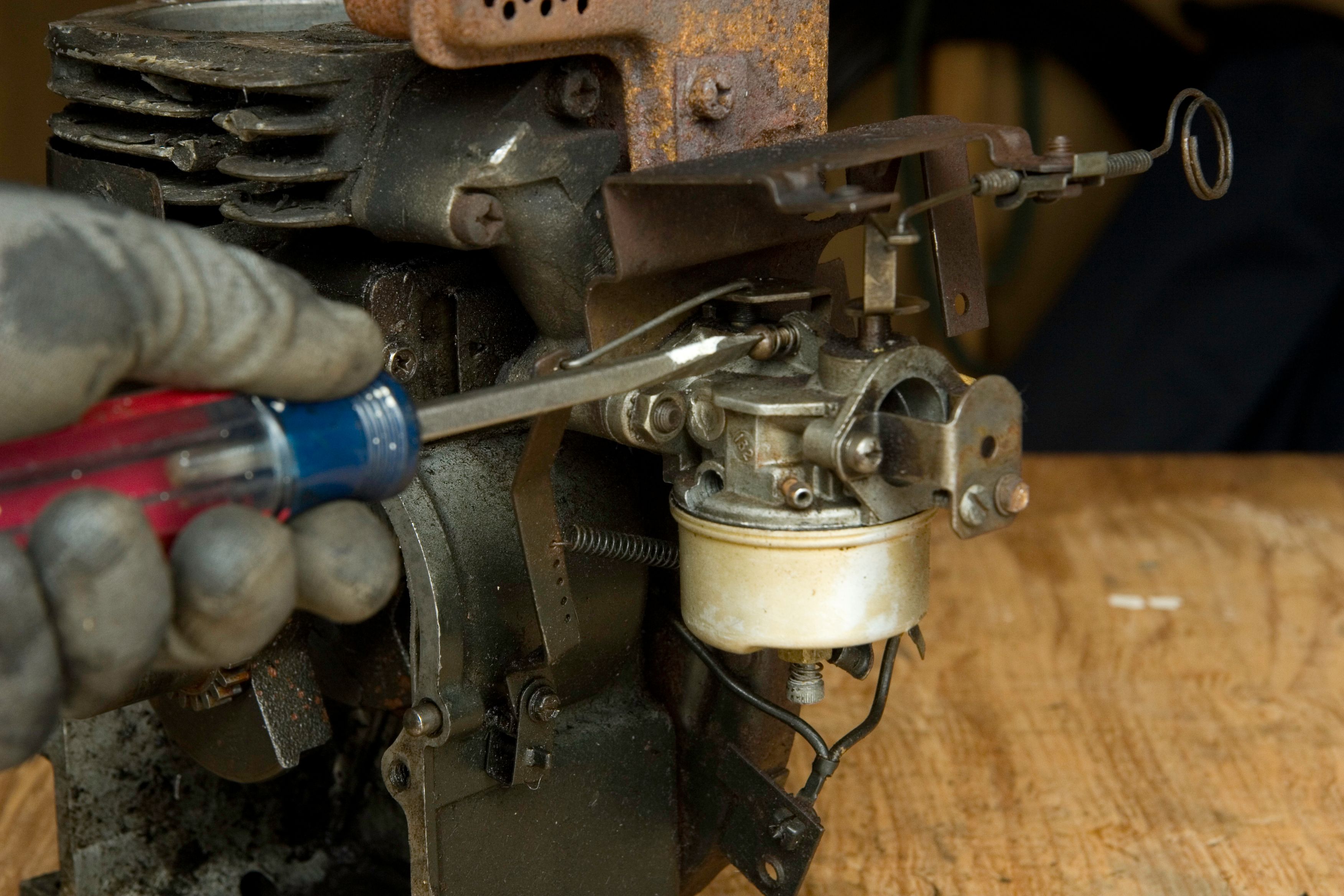
Basic Components of Small Engine Maintenance
Small engine maintenance revolves around a few key components that require regular attention. These include the air filter, spark plug, oil, and fuel system. Each of these components plays a vital role in ensuring the engine runs effectively.
- Air Filter: A clean air filter ensures that the engine gets the proper air-to-fuel ratio, essential for efficient combustion.
- Spark Plug: The spark plug ignites the fuel-air mixture, and a worn-out plug can cause misfires and reduced performance.
- Oil: Regular oil changes are necessary to lubricate moving parts and prevent wear and tear.
- Fuel System: Keeping the fuel system clean prevents clogs and ensures smooth fuel delivery.
Benefits of Routine Maintenance
Engaging in routine maintenance offers numerous benefits. Firstly, it extends the lifespan of your engine, protecting your investment in machinery. Secondly, it enhances performance and efficiency, ensuring that your equipment operates at its best when you need it most. Lastly, regular maintenance can prevent unexpected breakdowns, saving you both time and money in the long run.
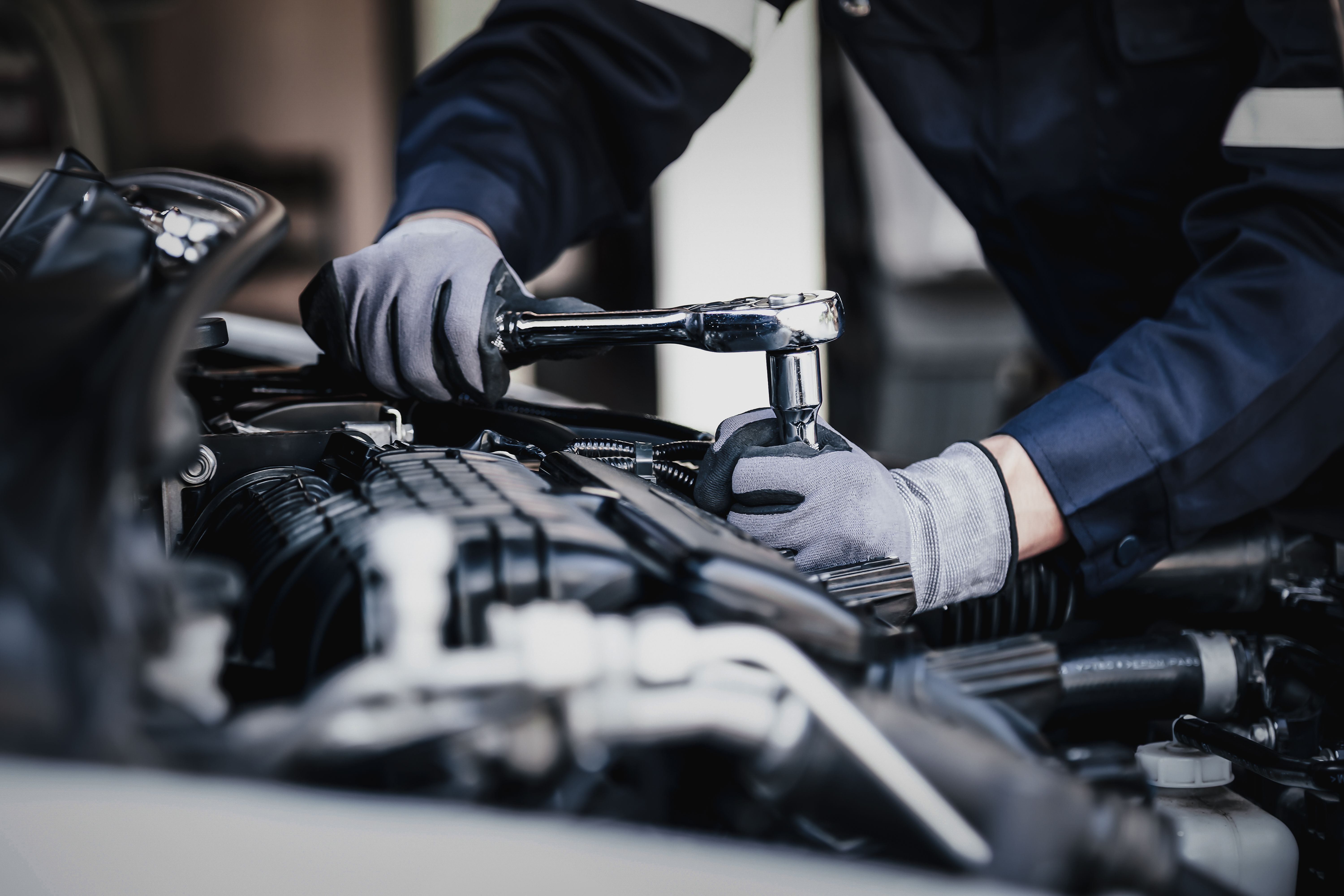
Troubleshooting Common Small Engine Issues
Even with consistent maintenance, small engines can face issues. Identifying these problems early can prevent more serious complications. Some common issues include trouble starting the engine, unusual noises, or a decrease in power output.
- Starting Issues: These can often be traced back to a faulty spark plug or dirty air filter.
- Unusual Noises: These might indicate loose parts or a lack of lubrication.
- Power Loss: This could be due to fuel delivery problems or compression issues within the engine.
When to Seek Professional Help
While many maintenance tasks can be performed at home, certain issues require professional attention. If you notice persistent problems despite regular upkeep, it might be time to consult a small engine repair specialist. They can provide comprehensive diagnostics and repairs that are beyond basic troubleshooting.
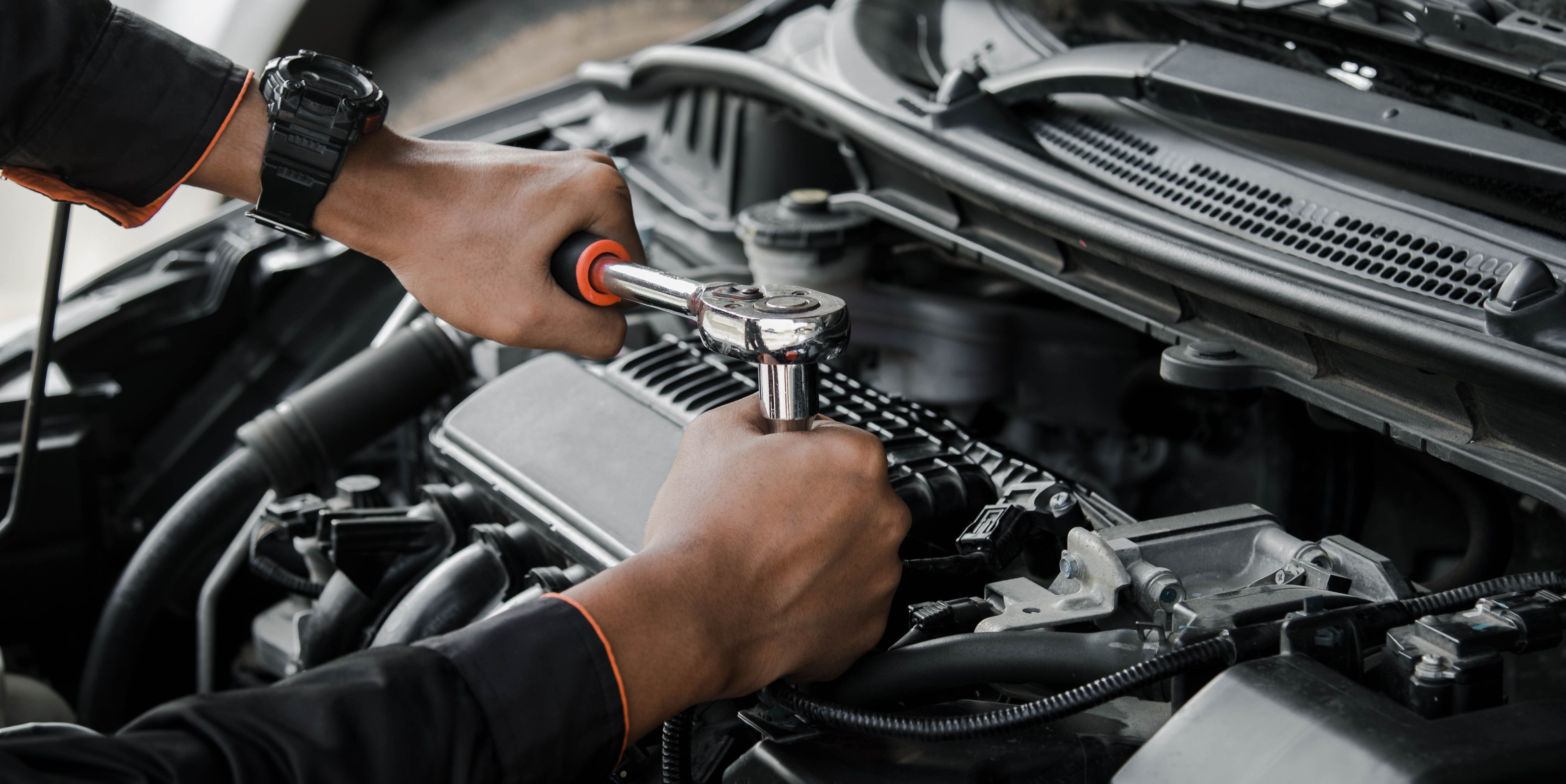
In conclusion, regular engine maintenance is not just a recommendation—it's a necessity for anyone relying on small engines. By prioritizing routine checks and addressing issues promptly, you ensure that your equipment remains reliable and efficient for years to come. Make maintenance a part of your routine today to enjoy hassle-free performance tomorrow.