The Ultimate Guide to Residential Lawn Maintenance in Summerville
Understanding Your Lawn's Needs
Maintaining a lush, green lawn in Summerville requires understanding the specific needs of your grass and soil. The climate in this region can be challenging, with hot summers and occasional droughts. Knowing what your lawn requires in terms of water, nutrients, and care is essential for keeping it healthy throughout the year.
Choosing the Right Grass Type
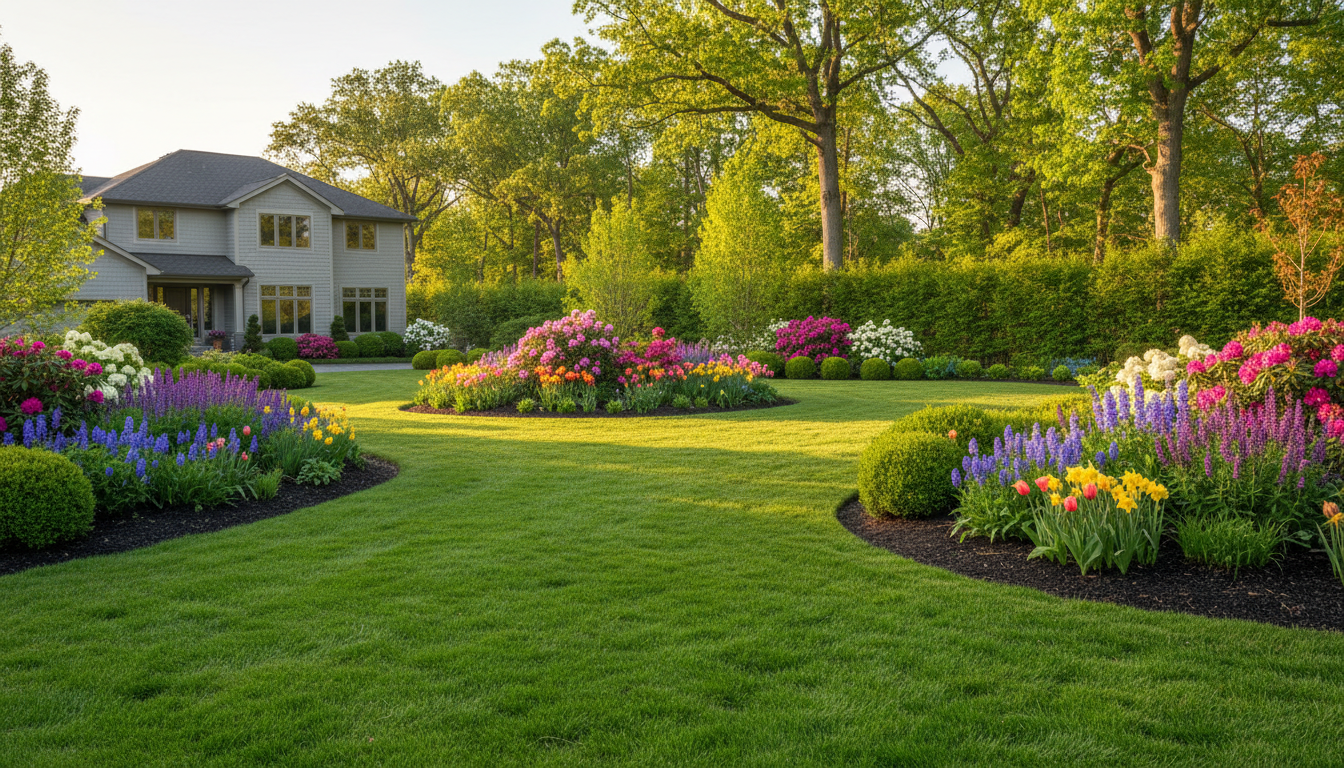
Summerville's climate is best suited for warm-season grasses such as Bermuda, Zoysia, and St. Augustine. These grass types thrive in the heat and are more drought-resistant. Selecting the right type for your lawn will ensure it stays resilient and vibrant. Consider factors like sunlight exposure and foot traffic when making your decision.
Watering Wisely
Proper watering is crucial to lawn health. During the hotter months, it’s important to water your lawn early in the morning to minimize evaporation. Aim for about an inch of water per week, including rainfall. Using a rain gauge can help you monitor natural precipitation and adjust your watering schedule accordingly.
Installing an Irrigation System
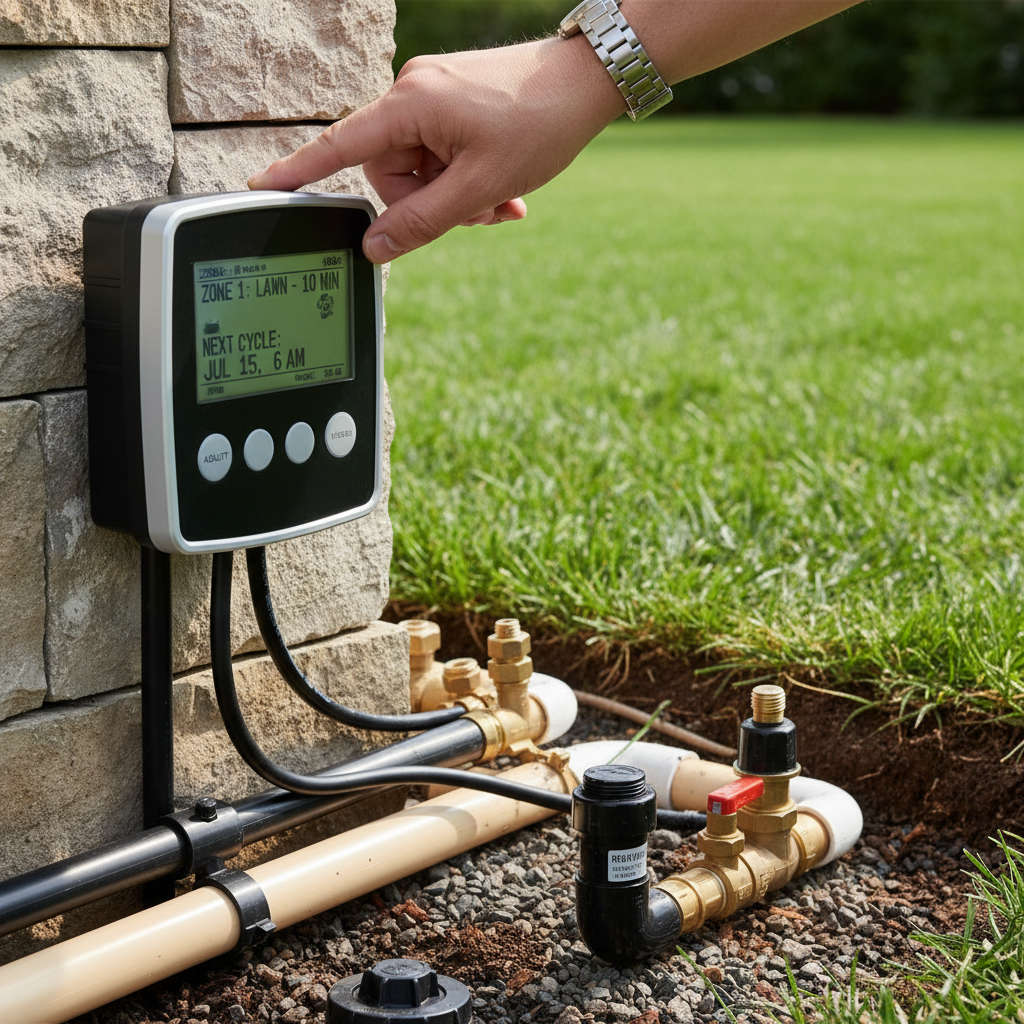
An irrigation system can be a great investment for effective and efficient watering. It ensures even coverage and can be programmed to water at optimal times. Regular maintenance of the system is vital to prevent leaks and ensure proper function.
Feeding and Fertilizing
Fertilizing your lawn provides essential nutrients that promote growth and resilience. In Summerville, a balanced fertilizer applied in the spring and fall will support healthy root development. Be sure to follow the instructions on the fertilizer package to avoid over-fertilization, which can damage the grass.
Organic Options
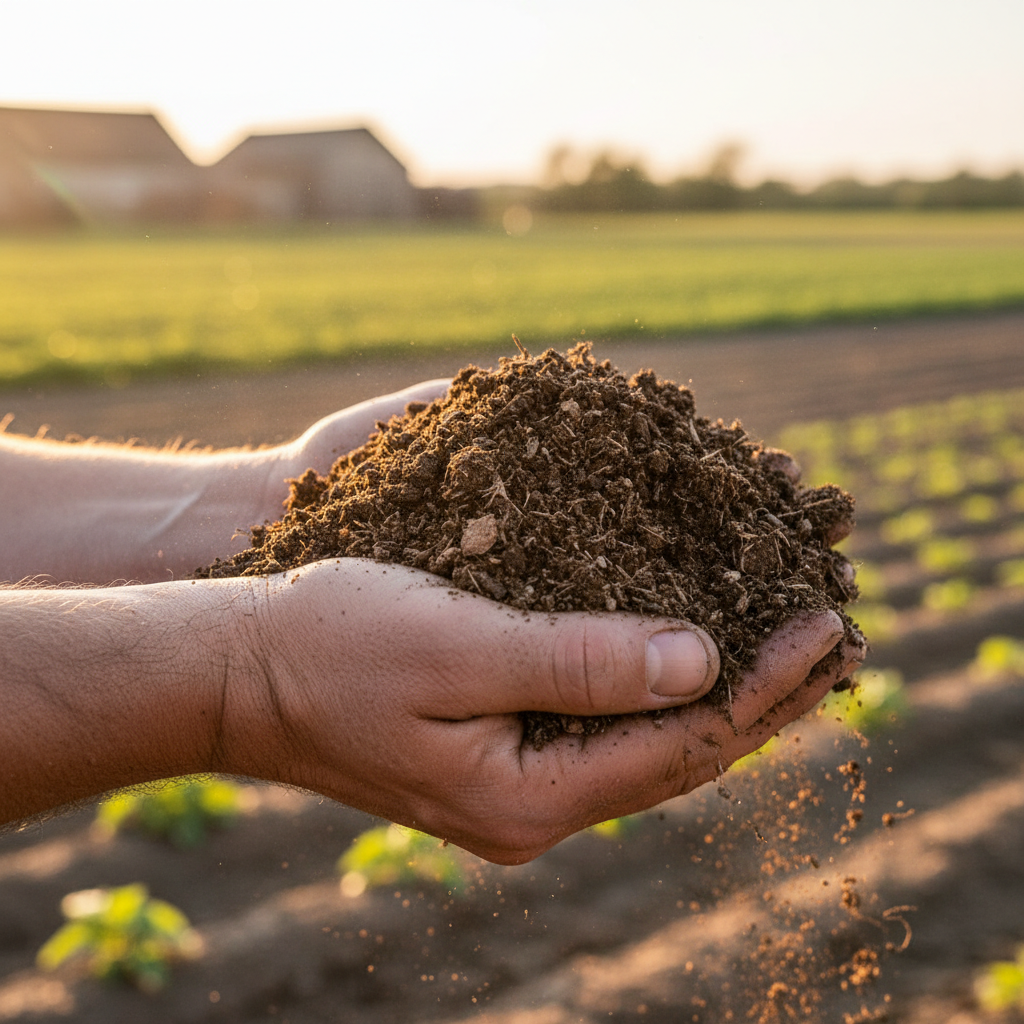
If you prefer an eco-friendly approach, consider using organic fertilizers. These products improve soil health and encourage beneficial microorganisms. Compost and manure are excellent natural alternatives that can enhance your lawn’s vitality.
Regular Mowing Practices
Mowing your lawn correctly is key to its appearance and health. Set your mower blade to the right height for your grass type, usually around 2 to 3 inches. This height helps retain moisture and shades out weeds. Regular mowing also promotes a thick, lush lawn.
Keeping Equipment Sharp
Ensure your mower blades are sharp to prevent tearing the grass, which makes it more susceptible to disease. Regularly check and maintain your equipment for the best results. Sharp blades provide a clean cut, promoting healthy growth.
Controlling Weeds and Pests
Weeds and pests can quickly become a problem if not managed properly. Regularly inspect your lawn for signs of trouble, and use appropriate treatments as needed. Integrated Pest Management (IPM) is an effective strategy that combines cultural, mechanical, and chemical practices to manage pests sustainably.
Using Mulch and Ground Covers
Mulch and ground covers can suppress weeds and retain soil moisture. Use organic mulches, such as bark or wood chips, around garden beds and trees. Ground covers like clover can also be a beautiful and practical addition to your landscape.