The Ultimate Guide to Hardscaping for Your Summerville Home
Understanding Hardscaping
Hardscaping refers to the non-living elements of landscaping, such as paths, walls, patios, and decks. These features add structure and functionality to your outdoor space. By integrating hardscaping into your outdoor design, you can create a balanced and aesthetically pleasing environment.
Benefits of Hardscaping
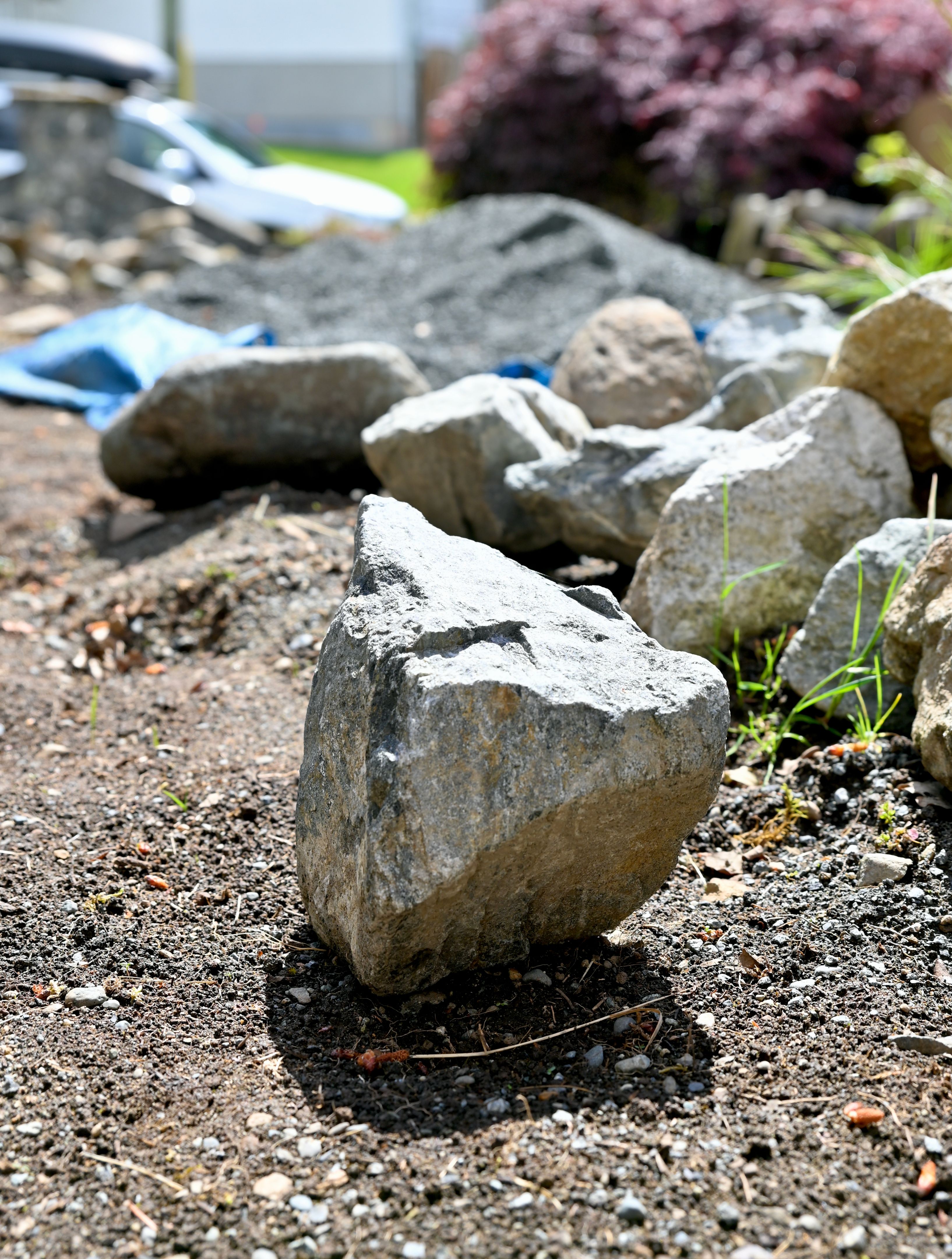
Hardscaping offers numerous advantages. It enhances the usability of your outdoor spaces, increases property value, and requires less maintenance compared to traditional landscaping. Additionally, hardscape elements can help with water drainage and erosion control, making them both practical and visually appealing.
Popular Hardscaping Materials
When it comes to hardscaping materials, homeowners have a variety of options. Common materials include:
- Concrete: Durable and versatile, ideal for patios and driveways.
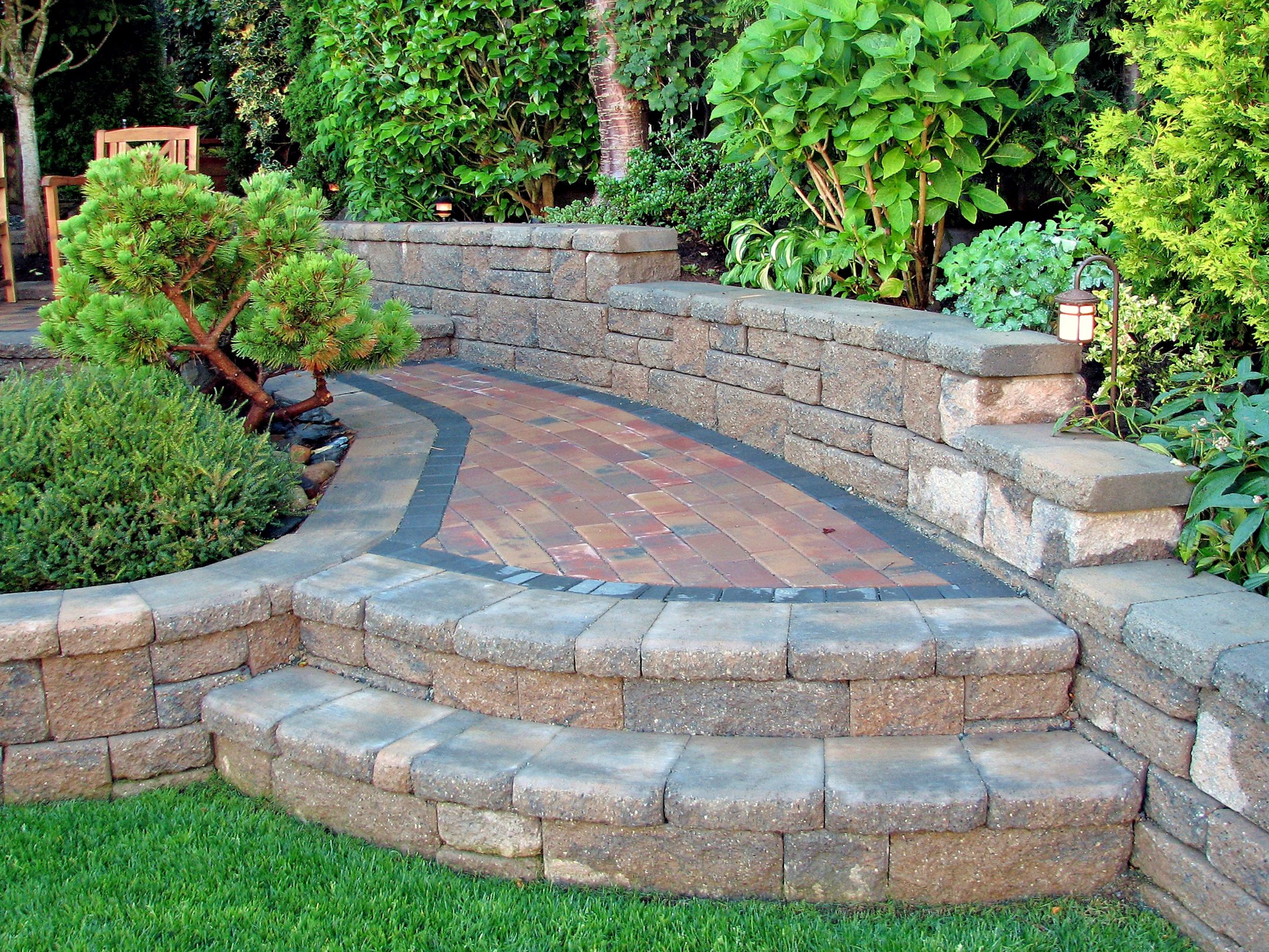
- Brick: Offers a classic look, perfect for pathways and garden borders.
- Stone: Natural and elegant, suitable for retaining walls and stepping stones.
- Wood: Provides warmth and character, great for decks and pergolas.
Designing Your Hardscape
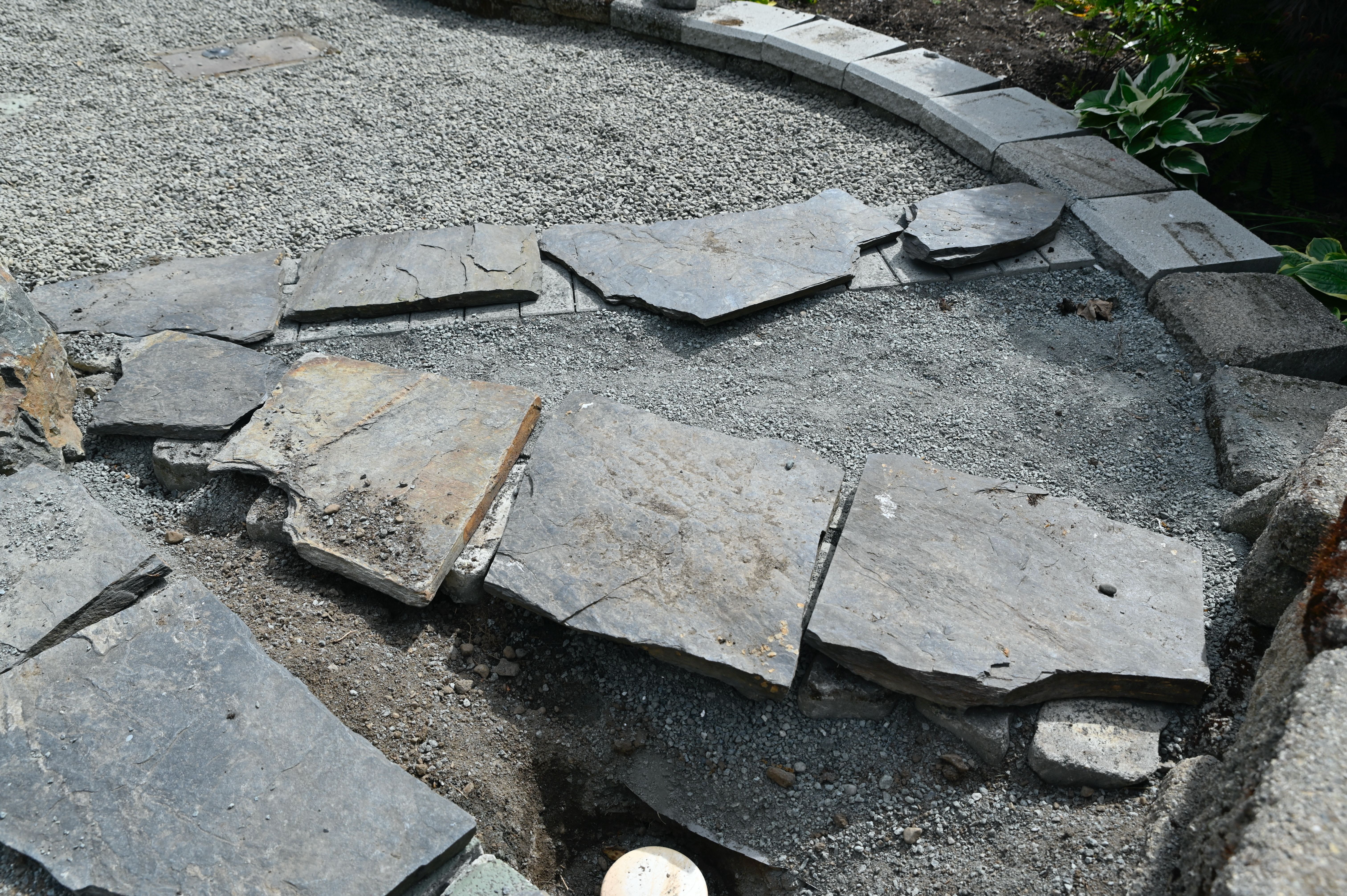
Before starting your hardscape project, consider the overall design. Think about how each element will complement your home and landscape. Creating a cohesive plan ensures that your hardscaping efforts enhance rather than overwhelm your outdoor space.
Planning Your Hardscape Project
Proper planning is crucial for a successful hardscaping project. Here are some steps to guide you:
- Assess Your Space: Evaluate the size and shape of your yard to determine what hardscape features will fit best.
- Set a Budget: Determine how much you are willing to spend and prioritize elements accordingly.
- Choose a Design: Decide on a theme or style that complements your home and surroundings.
- Consult Professionals: If needed, seek advice from landscapers or architects to ensure a well-executed project.
Maintaining Your Hardscape
While hardscaping requires less maintenance than traditional landscaping, it still needs care to remain in good condition. Regular cleaning and sealing of surfaces can prevent staining and weathering. Inspecting for cracks or damage and addressing issues promptly will extend the life of your hardscape features.
Incorporating Greenery
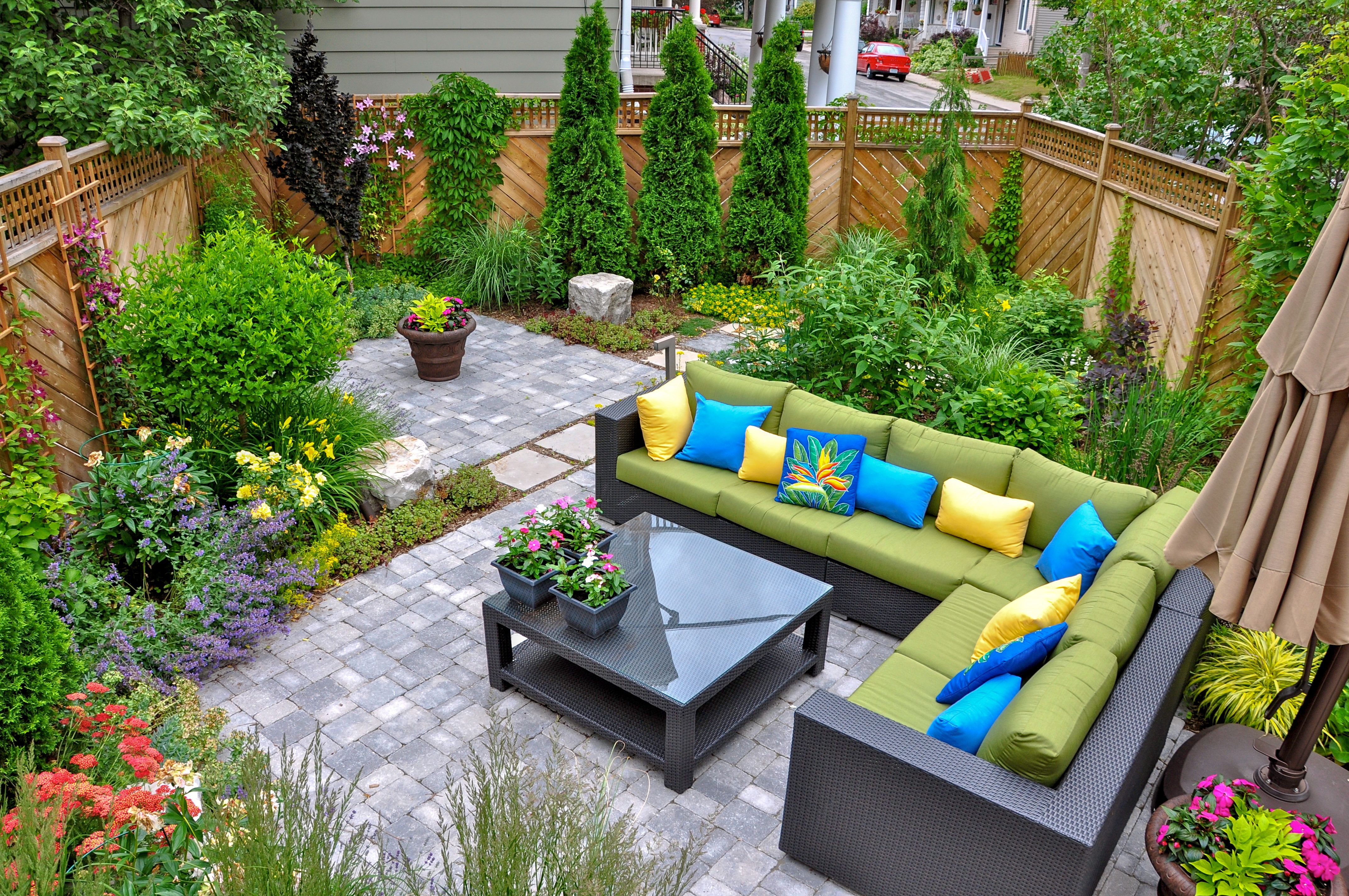
To soften the look of your hardscape, consider incorporating greenery. Adding planters, garden beds, or vertical gardens can bring life and color to your outdoor areas. This blend of hard and soft elements creates a harmonious and inviting atmosphere.
Final Thoughts
Hardscaping is an essential component of a well-designed outdoor space. By thoughtfully choosing materials, designing with purpose, and maintaining your hardscape, you can transform your Summerville home into a beautiful and functional retreat. With these tips, you're ready to embark on your hardscaping journey.