The Importance of Regular Small Engine Maintenance
Understanding Small Engine Maintenance
Small engines power many of the tools and machines we rely on daily, from lawnmowers and chainsaws to generators and pressure washers. Despite their size, these engines require regular maintenance to ensure they function efficiently and have a long lifespan. Neglecting small engine maintenance can lead to costly repairs or even the need for a complete replacement.
The Benefits of Regular Maintenance
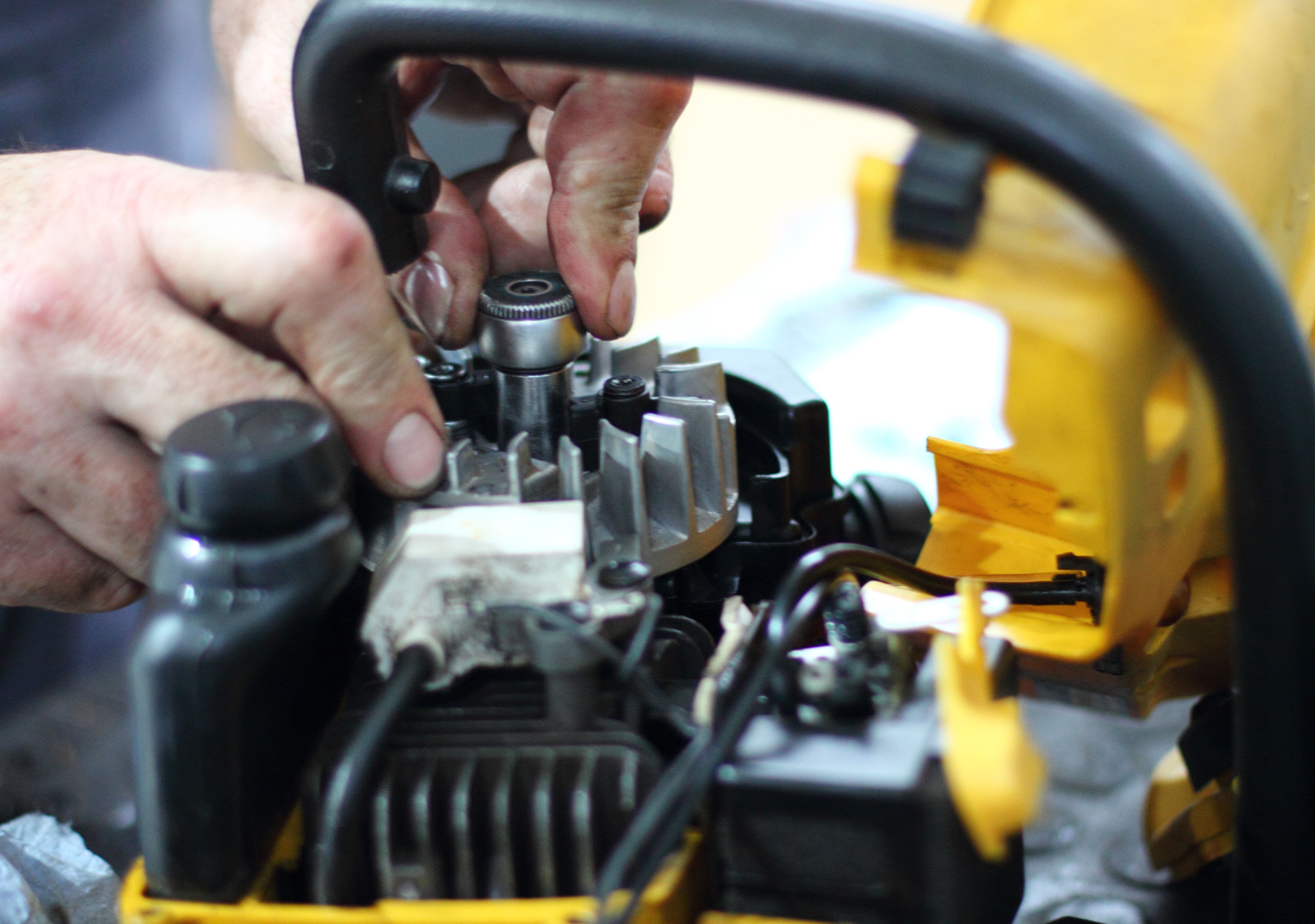
Performing regular maintenance on small engines offers several benefits. First and foremost, it ensures that the engine runs smoothly and efficiently. A well-maintained engine consumes less fuel, which can save you money over time. Additionally, regular maintenance helps prevent unexpected breakdowns, reducing downtime and inconvenience.
Another significant advantage is that regular maintenance can extend the life of the engine. By replacing worn-out parts and keeping the engine clean, you can avoid premature wear and tear. This not only saves money on repairs but also postpones the need for purchasing a new machine.
Key Maintenance Tasks
There are several key tasks involved in small engine maintenance. These include:
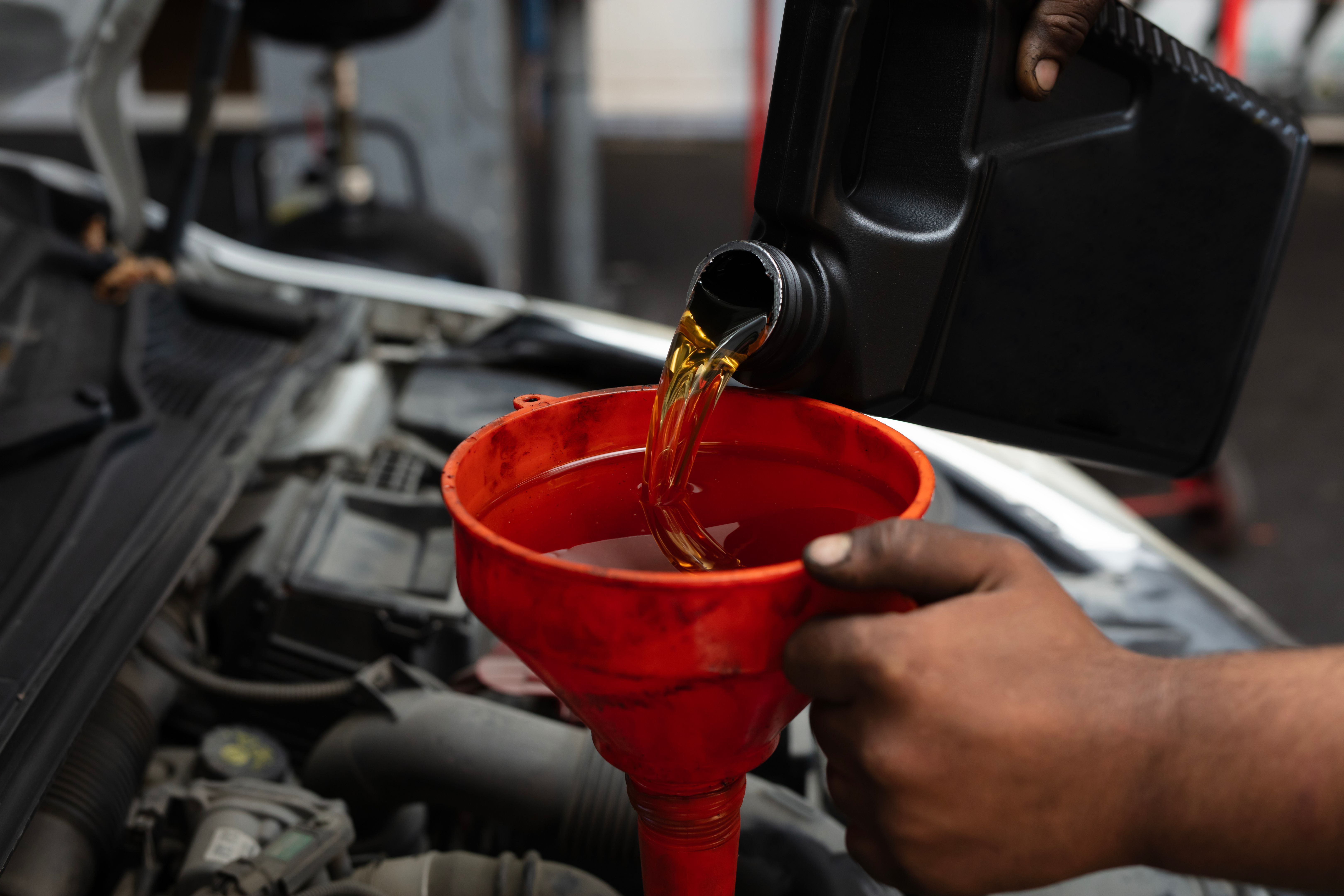
- Oil Changes: Regularly changing the oil keeps the engine lubricated and prevents damage from friction.
- Air Filter Replacement: A clean air filter ensures the engine receives adequate airflow, improving performance.
- Spark Plug Inspection: Checking and replacing spark plugs can prevent ignition issues.
- Fuel System Maintenance: Cleaning the fuel system prevents clogs and ensures proper fuel flow.
The Role of Seasonal Maintenance
Seasonal maintenance is crucial for small engines, especially those used in outdoor equipment. For example, lawnmowers require attention before and after the mowing season. In contrast, snow blowers need maintenance before the first snowfall. Proper seasonal care ensures that your equipment is ready to perform when needed.
By following a seasonal maintenance schedule, you can address potential issues before they become serious problems. This proactive approach can save time and money in the long run.
DIY vs. Professional Maintenance
While some small engine maintenance tasks can easily be done by homeowners, others might require professional expertise. Simple tasks like changing oil or replacing air filters are typically manageable for most people. However, more complex issues, such as carburetor adjustments or valve replacements, might need the skills of a professional mechanic.

The Cost of Neglect
Ignoring small engine maintenance can lead to various issues, from reduced performance to complete engine failure. The cost of repairing a neglected engine often outweighs the expense of regular upkeep. In worst-case scenarios, neglect could lead to the need for a new engine or entire machine replacement.
By investing a little time and money into maintaining your small engines, you can avoid these costly repairs and replacements.
Conclusion
Regular small engine maintenance is not just about keeping your equipment running; it's about preserving your investment and ensuring safety and efficiency. Whether you handle basic tasks yourself or seek professional help for more complex issues, staying on top of maintenance will pay off in reliability and longevity.
With a routine maintenance schedule, you can enjoy peace of mind knowing that your small engines are in top condition, ready to perform when you need them most.