Small Engine Repair FAQs: Answers to Your Common Questions
Understanding Small Engine Repair
Small engines power a wide variety of equipment, from lawnmowers to generators. Understanding how these engines work can save you time and money on repairs. Below, we answer some of the most common questions about small engine repair to help you maintain your equipment efficiently.
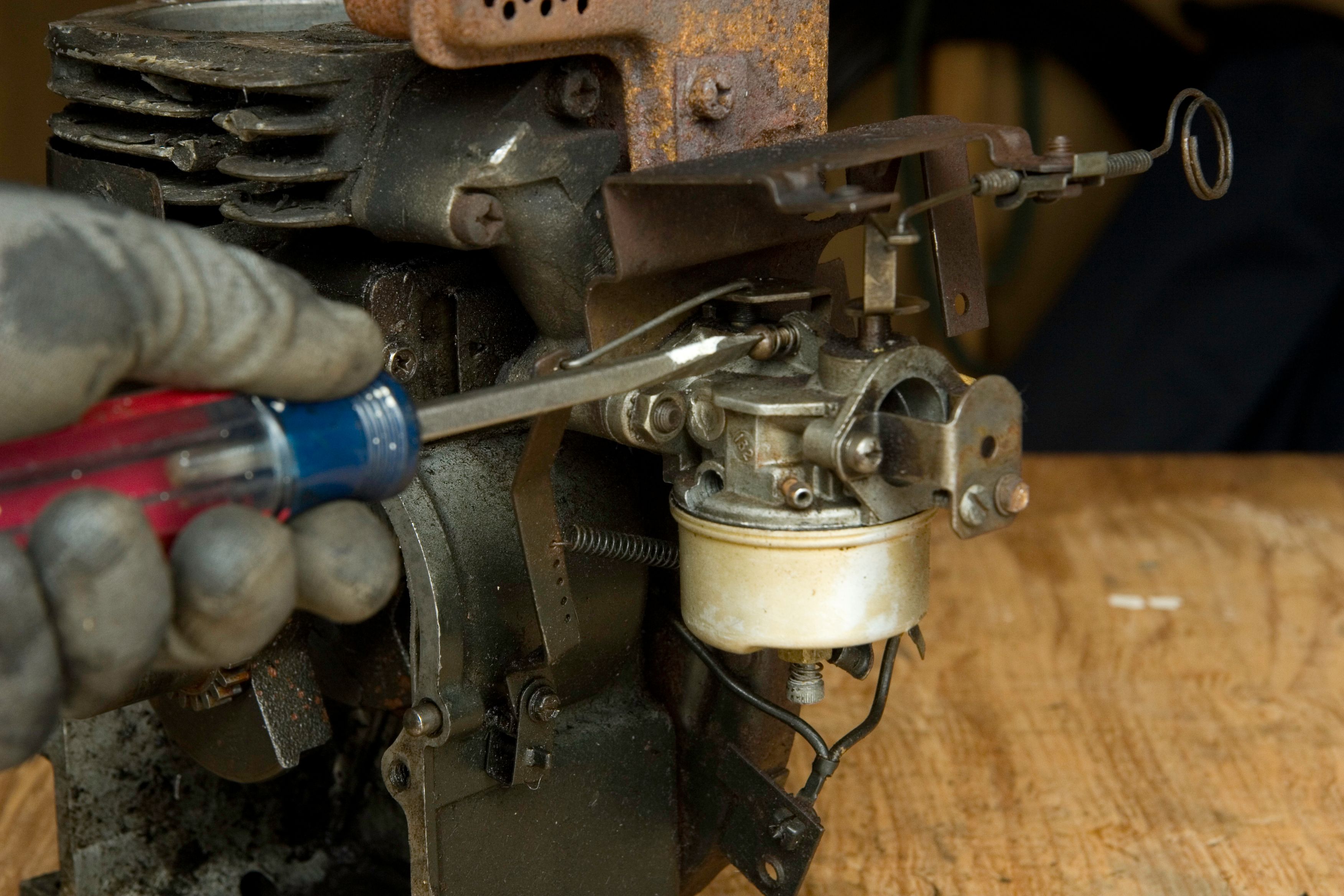
What Are the Common Signs of Engine Trouble?
Recognizing the early signs of engine trouble is crucial in preventing further damage. Common indicators include:
- Difficulty starting: If your engine struggles to start, it might be due to fuel or spark plug issues.
- Unusual noises: Clanking or knocking sounds can indicate mechanical problems.
- Excessive smoke: Blue or black smoke suggests oil or fuel combustion issues.
Addressing these symptoms promptly can prevent extensive repairs.
How Often Should I Change the Oil?
The frequency of oil changes depends on engine use and type. Generally, it's advisable to change the oil every 25-50 hours of operation. Regular oil changes ensure that your engine runs smoothly and reduces wear on moving parts. Always consult your engine's manual for specific recommendations.

What Should I Do If My Engine Overheats?
An overheating engine can cause significant damage if not addressed immediately. Here's what you should do:
- Turn off the engine: Stop using the equipment right away to prevent further heat buildup.
- Check coolant levels: Low coolant can lead to overheating, so ensure it’s at the recommended level.
- Inspect for blockages: Debris around the cooling fins or shrouds can restrict airflow, causing overheating.
If these steps don't resolve the issue, consult a professional mechanic.

Why Is My Engine Smoking?
Engine smoke can be alarming, but identifying the color can help diagnose the problem:
- White smoke: Often indicates water or coolant entering the combustion chamber.
- Blue smoke: Typically suggests oil is burning within the engine.
- Black smoke: Usually results from an overly rich fuel mixture.
Each type requires a different approach, so understanding the cause is essential for effective repair.
Can I Perform Small Engine Repairs Myself?
Tackling small engine repairs yourself can be a rewarding experience. Basic maintenance tasks like changing spark plugs, cleaning air filters, and replacing fuel lines are manageable for most DIY enthusiasts. However, for more complex repairs involving internal components, it's often best to seek professional assistance to avoid costly mistakes.
When Should I Seek Professional Help?
While many minor repairs are DIY-friendly, some situations require expert intervention. Consider consulting a professional if:
- The engine has persistent starting issues despite troubleshooting.
- You notice metal shavings in the oil, indicating potential internal damage.
- The problem persists after attempting basic repairs.
A trained mechanic can diagnose and fix issues efficiently, saving you time and effort in the long run.
By addressing common small engine repair questions, you'll be better equipped to maintain your equipment and troubleshoot issues as they arise. Regular maintenance and attention to warning signs will ensure that your machinery operates smoothly and reliably for years to come.