Preparing Your Lawn for Spring: Expert Tips from LawnSmith843llc
Understanding Your Lawn's Needs
As spring approaches, it's time to prepare your lawn for the growing season. Every lawn is unique, and understanding its specific needs is crucial for a lush, green carpet. Assess the type of grass, soil health, and sunlight exposure to tailor your care routine.
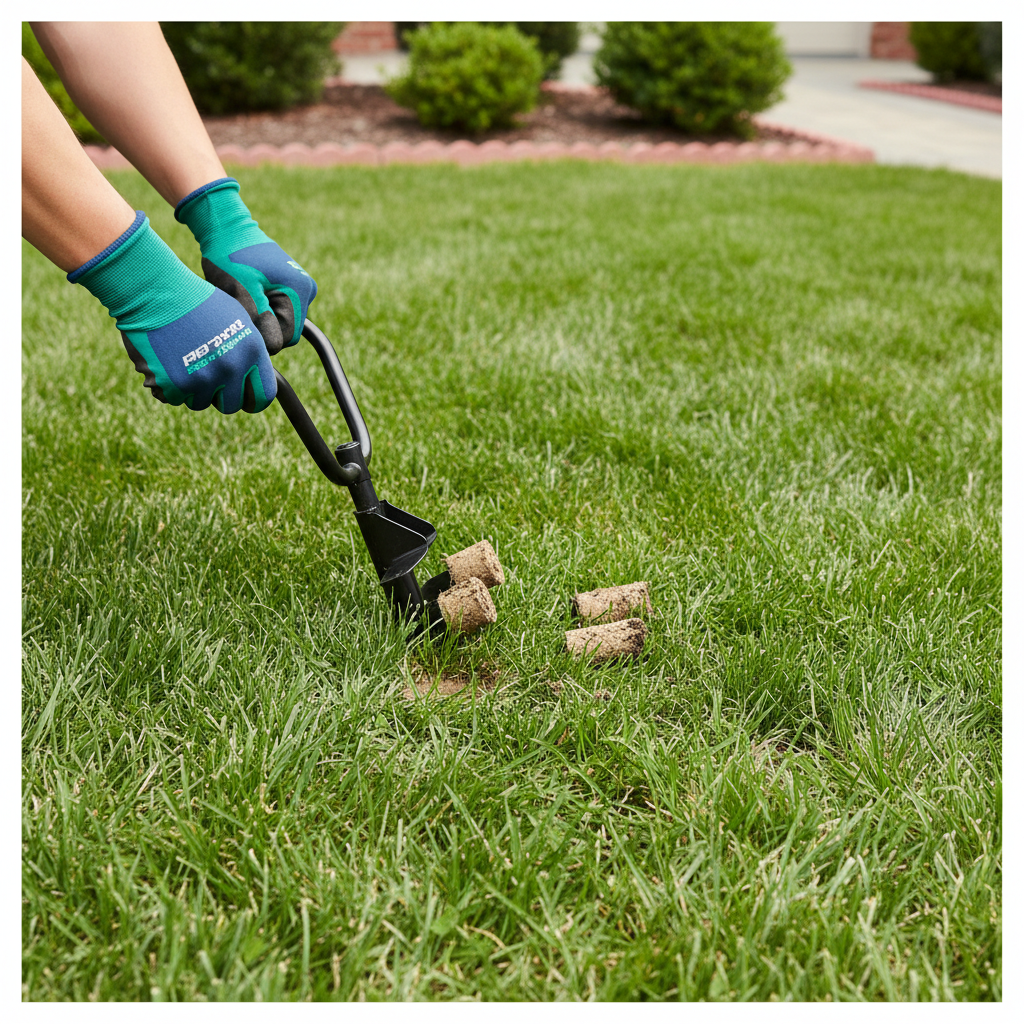
Soil Testing
A soil test is an essential first step in lawn care. It helps determine pH levels and nutrient deficiencies. This information guides your fertilizer choices and ensures your lawn gets the nutrients it needs. Consider testing your soil every two to three years.
Clearing and Cleaning
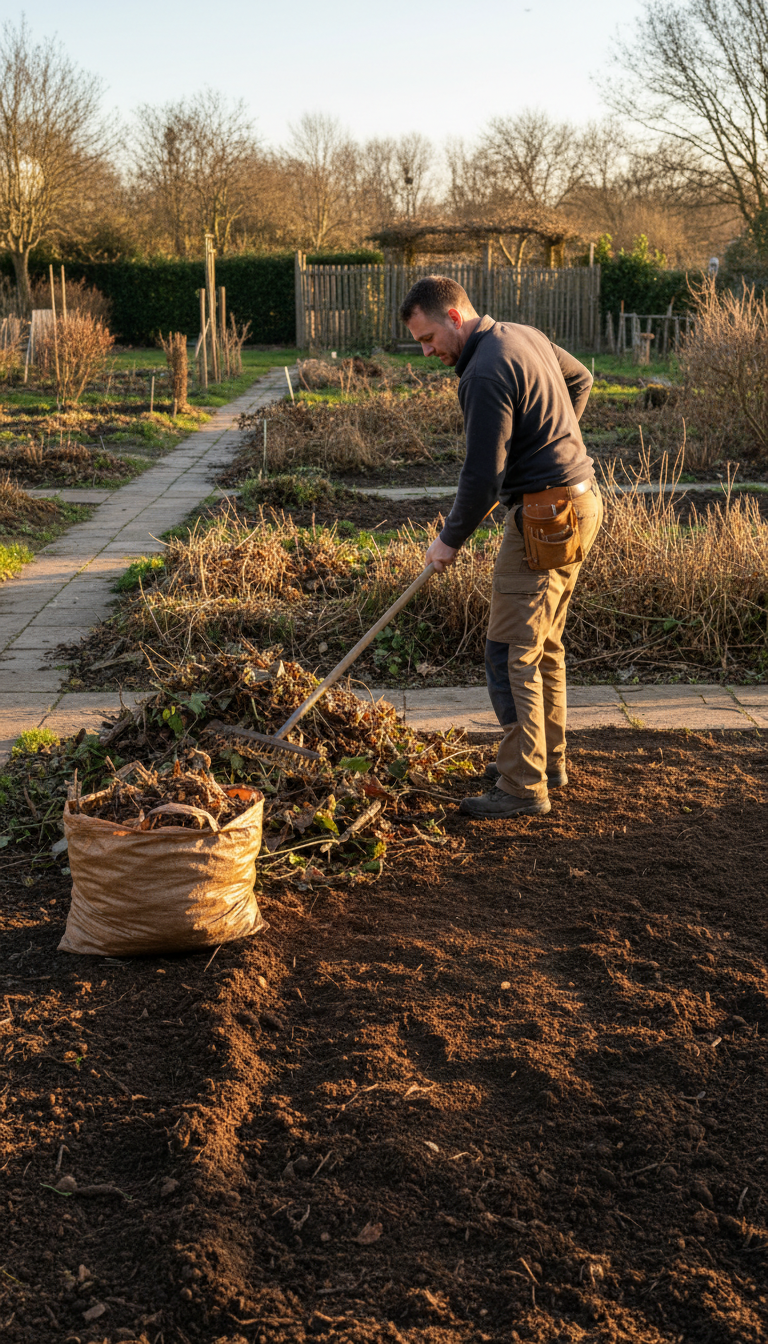
Winter often leaves behind debris, such as leaves, twigs, and dead grass. Begin by clearing these away to allow new growth. A thorough raking removes thatch buildup and increases air circulation, promoting a healthier lawn.
Tools Needed
To efficiently clear your lawn, you'll need the right tools. Consider using:
- A sturdy rake for removing debris
- Pruners for trimming bushes and hedges
- A leaf blower for larger areas
Fertilizing and Feeding
After cleaning, focus on feeding your lawn. Apply a balanced fertilizer rich in nitrogen, phosphorus, and potassium. Early spring is the best time to fertilize, as it supports robust growth and root development.
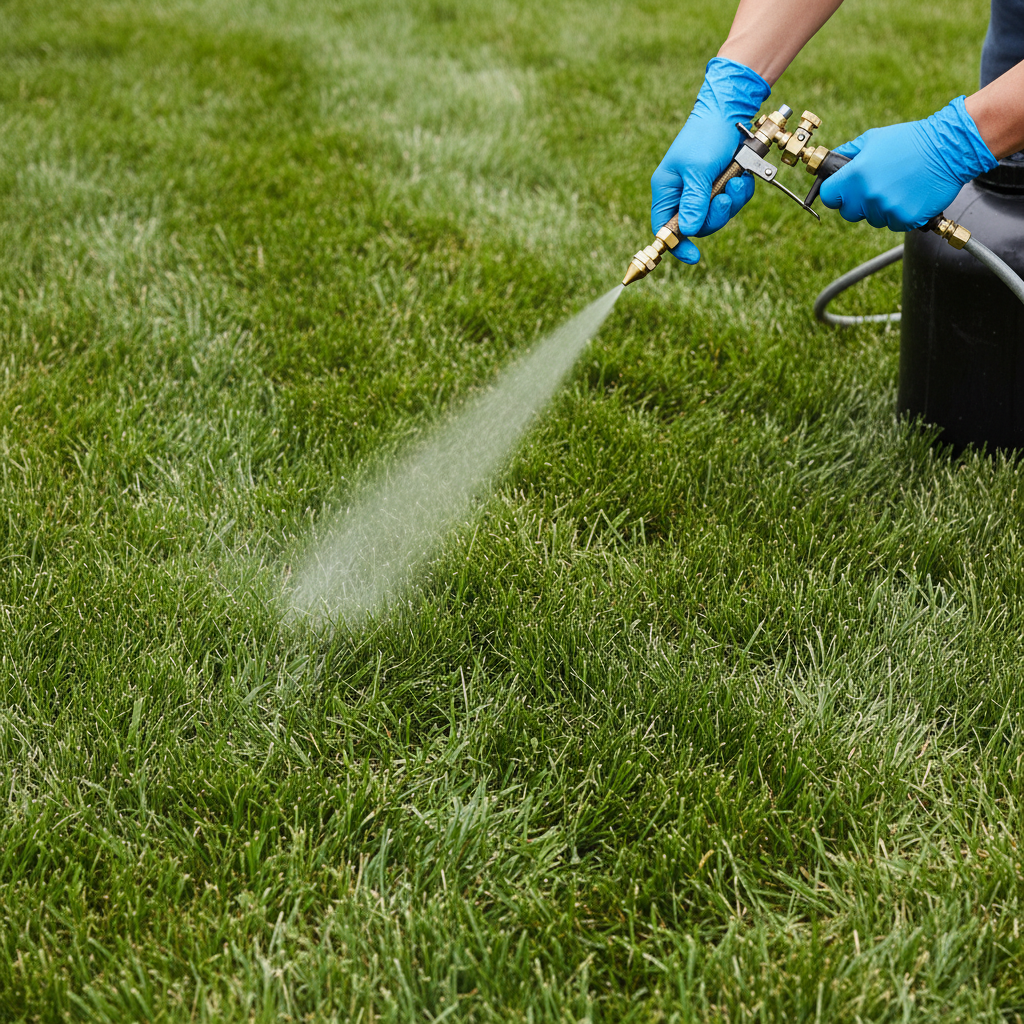
Choosing the Right Fertilizer
Select a slow-release fertilizer to provide consistent nourishment over time. Follow the recommended application rates to prevent over-fertilization, which can damage your lawn.
Seeding and Overseeding
If your lawn has bare patches or thinning areas, consider seeding or overseeding. Choose a grass seed variety that matches your existing lawn and is suitable for your climate. Overseeding helps thicken the grass and improves its resilience against weeds.
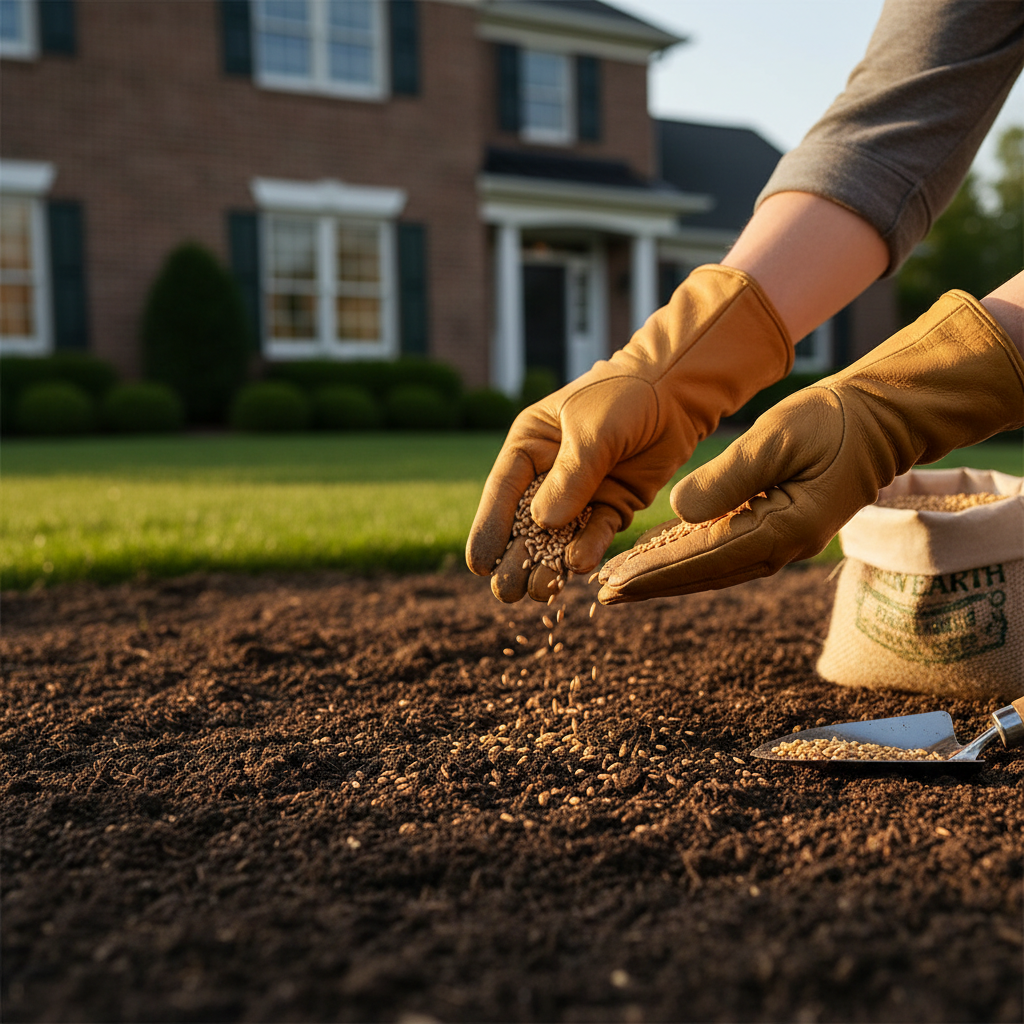
Steps for Success
For best results:
- Aerate the soil to improve seed-to-soil contact.
- Spread the seed evenly across your lawn.
- Water regularly to keep the soil moist until seeds germinate.
Watering Wisely
Proper watering is crucial for a healthy lawn. As temperatures rise, ensure your lawn receives about one inch of water per week. Early morning is the best time to water, reducing evaporation and allowing grass to dry before nightfall.

Tips for Efficient Watering
Consider using a sprinkler system for even coverage. Adjust the system based on rainfall to prevent overwatering, which can lead to disease and shallow root growth.
Conclusion
Preparing your lawn for spring involves understanding your lawn's specific needs and taking proactive steps. With these expert tips from LawnSmith843llc, you'll be well on your way to achieving a beautiful, thriving lawn that enhances your outdoor space.