Preparing Your Lawn for Spring: Essential Steps for Summerville Residents
Understanding Your Lawn's Needs
As spring approaches, Summerville residents should start considering how to prepare their lawns for the warmer months. Understanding your lawn's specific needs is the first step to achieving a lush, green landscape. Different grass types and soil conditions require tailored care, so take the time to assess your lawn's unique characteristics.
Begin by identifying the type of grass in your yard. Common varieties in Summerville include Bermuda, Zoysia, and St. Augustine. Each type has specific care requirements that influence mowing height, watering frequency, and fertilization.

Clearing and Cleaning
After the winter months, your lawn may be cluttered with debris such as leaves, twigs, and dead grass. Clearing this debris is crucial for promoting new growth and preventing disease. Use a rake to remove any leftover fall leaves and dead material that can suffocate your lawn.
Consider a thorough dethatching if your lawn has accumulated a thick layer of thatch. This will improve air circulation and water absorption, ensuring that nutrients reach the roots effectively.
Soil Testing and Aeration
Testing your soil is a vital step in preparing your lawn for spring. Soil tests provide insights into nutrient levels and pH balance, helping you tailor your fertilization strategy. You can purchase a soil test kit from a local garden center or contact a professional service for an in-depth analysis.

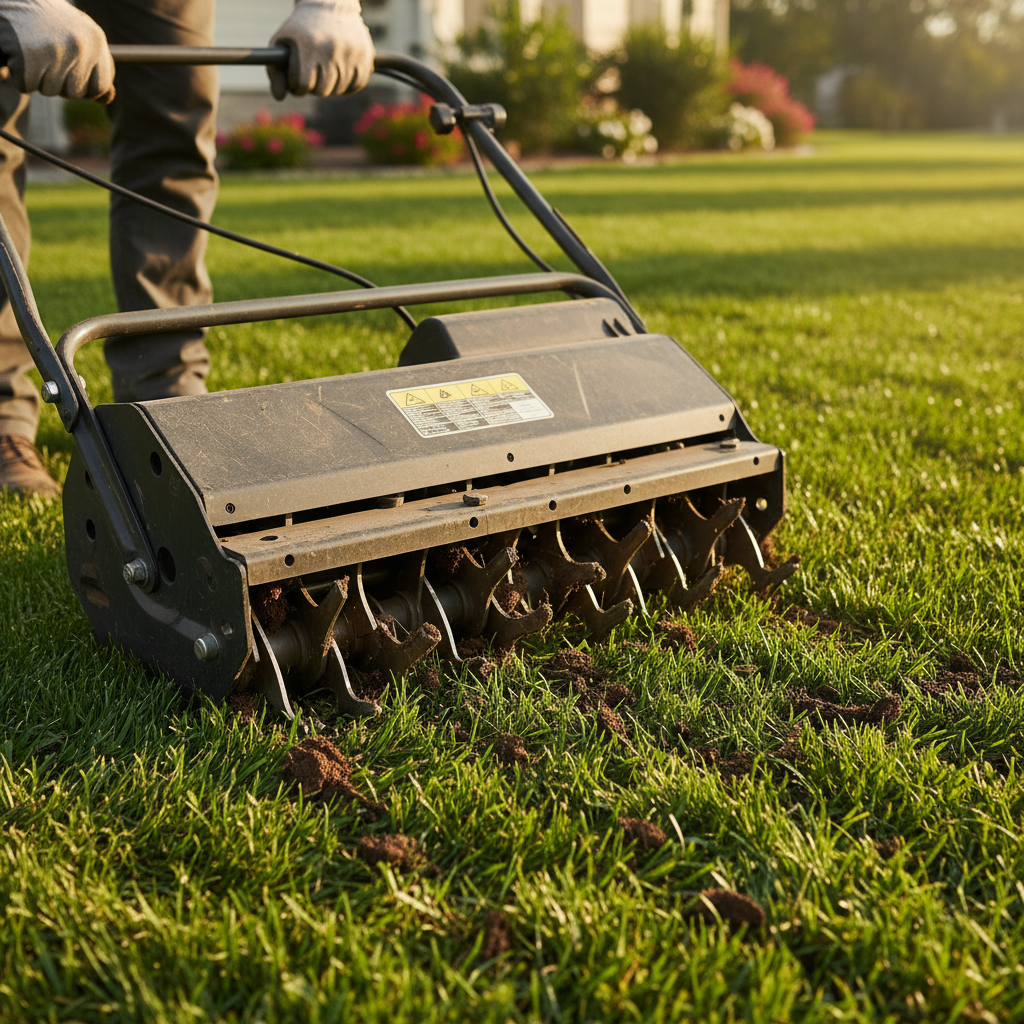
Aeration is another essential task that can significantly enhance your lawn's health. Aerating involves perforating the soil with small holes to allow air, water, and nutrients to penetrate the grass roots. This process helps alleviate soil compaction and encourages stronger root growth.
Fertilizing and Seeding
Fertilizing your lawn in early spring provides the nutrients necessary for robust growth. Choose a fertilizer that matches your soil's needs based on your test results. A balanced fertilizer with nitrogen, phosphorus, and potassium is generally effective for most lawns.
Overseeding may be necessary if your lawn has bare patches or thinning areas. Select a seed mix that complements your existing grass type, ensuring a uniform appearance once the new grass grows.

Watering and Mowing
Proper watering practices are essential for maintaining a healthy lawn. Watering deeply and infrequently encourages deep root growth, making your lawn more drought-resistant. Aim to water your lawn early in the morning to minimize evaporation and fungal growth.
As the grass begins to grow, regular mowing is necessary to keep it healthy. Adjust your mower to the correct height for your grass type and keep blades sharp to avoid tearing the grass.
Pest and Weed Control
Spring is also the time to address any pest or weed issues that may arise. Inspect your lawn for signs of pests like grubs or chinch bugs, and treat them promptly with appropriate insecticides if needed. Implement a pre-emergent herbicide to prevent weeds from taking root and competing with your grass.
By following these essential steps, Summerville residents can look forward to a vibrant and healthy lawn that enhances the beauty of their outdoor spaces throughout the spring and summer months.