How to Troubleshoot Common Small Engine Repair Issues at Home
Troubleshooting small engine issues at home can be a rewarding and cost-effective endeavor. Whether it's a lawnmower, chainsaw, or generator, understanding the basics of small engine repair can save you time and money. This guide will walk you through common problems and their solutions.
Understanding the Basics
Before diving into specific issues, it’s important to understand the basic components of small engines. Most small engines consist of a spark plug, carburetor, fuel system, and an air filter. Familiarizing yourself with these parts will make troubleshooting much easier.
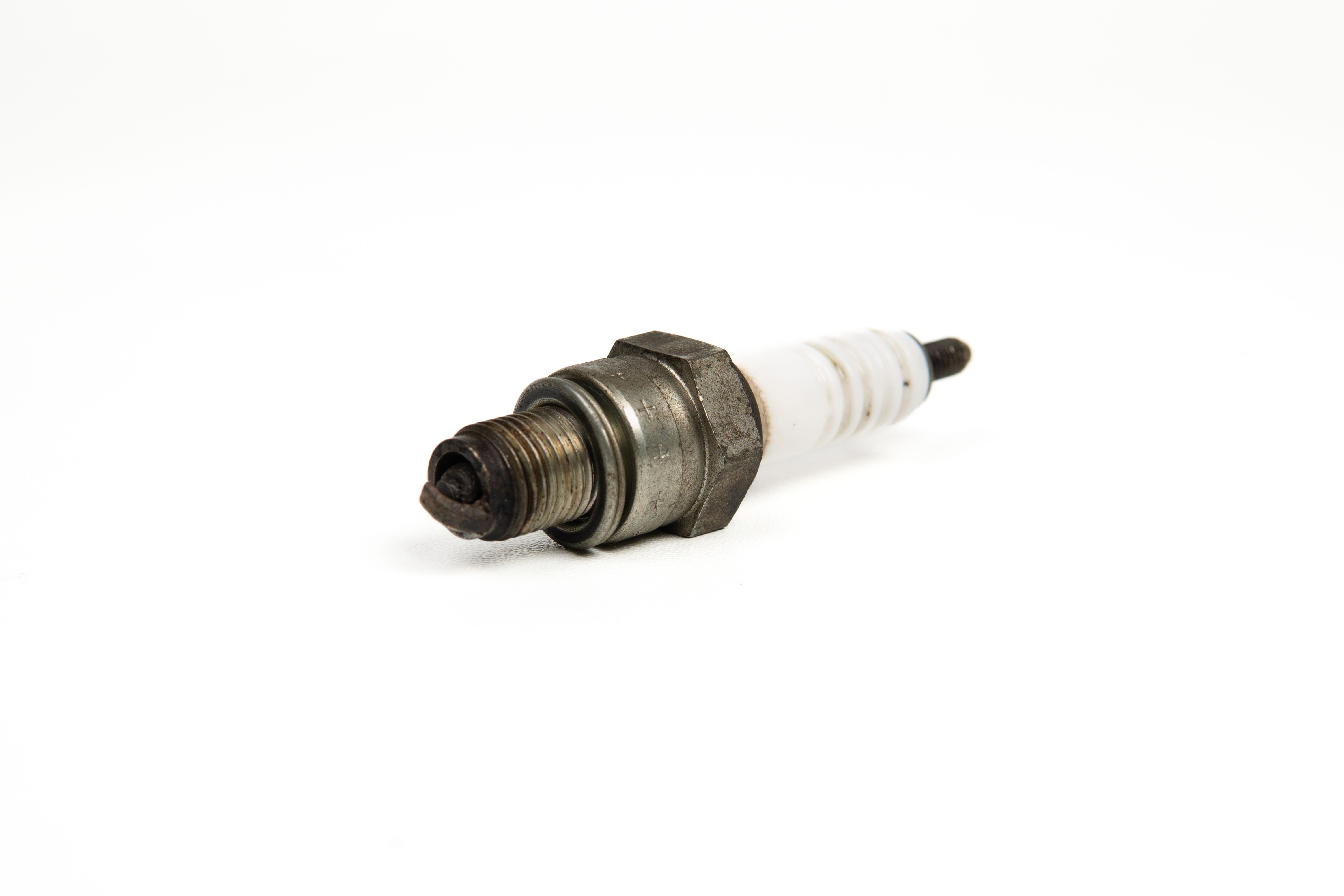
Checking the Spark Plug
The spark plug is a critical component in the ignition system. If your engine won't start, the spark plug might be the culprit. Remove the spark plug and inspect it for damage or buildup. If it’s dirty, clean it with a wire brush. If damaged, replace it entirely.
To test the spark plug, reconnect it to the ignition coil and ground it against the engine block. If there's no visible spark, it’s time to replace it.
Fuel System Issues
Fuel system problems are another common cause of engine issues. If your engine is sputtering or won’t start, check the fuel supply. Ensure the fuel tank is filled with fresh gasoline, as old fuel can lead to poor performance.

Inspecting the Carburetor
The carburetor mixes air and fuel for combustion. If your engine is running rough, it might be due to a clogged carburetor. Clean the carburetor by removing it and using a carburetor cleaner to clear any debris or buildup.
Adjusting the carburetor screws can also help in fine-tuning the engine’s performance. Refer to your engine’s manual for specific adjustment instructions.
Air Filter Maintenance
A dirty air filter can restrict airflow to the engine, causing it to run poorly. Check the air filter regularly and clean or replace it as needed. A clean air filter ensures the engine receives the proper air-fuel mixture.
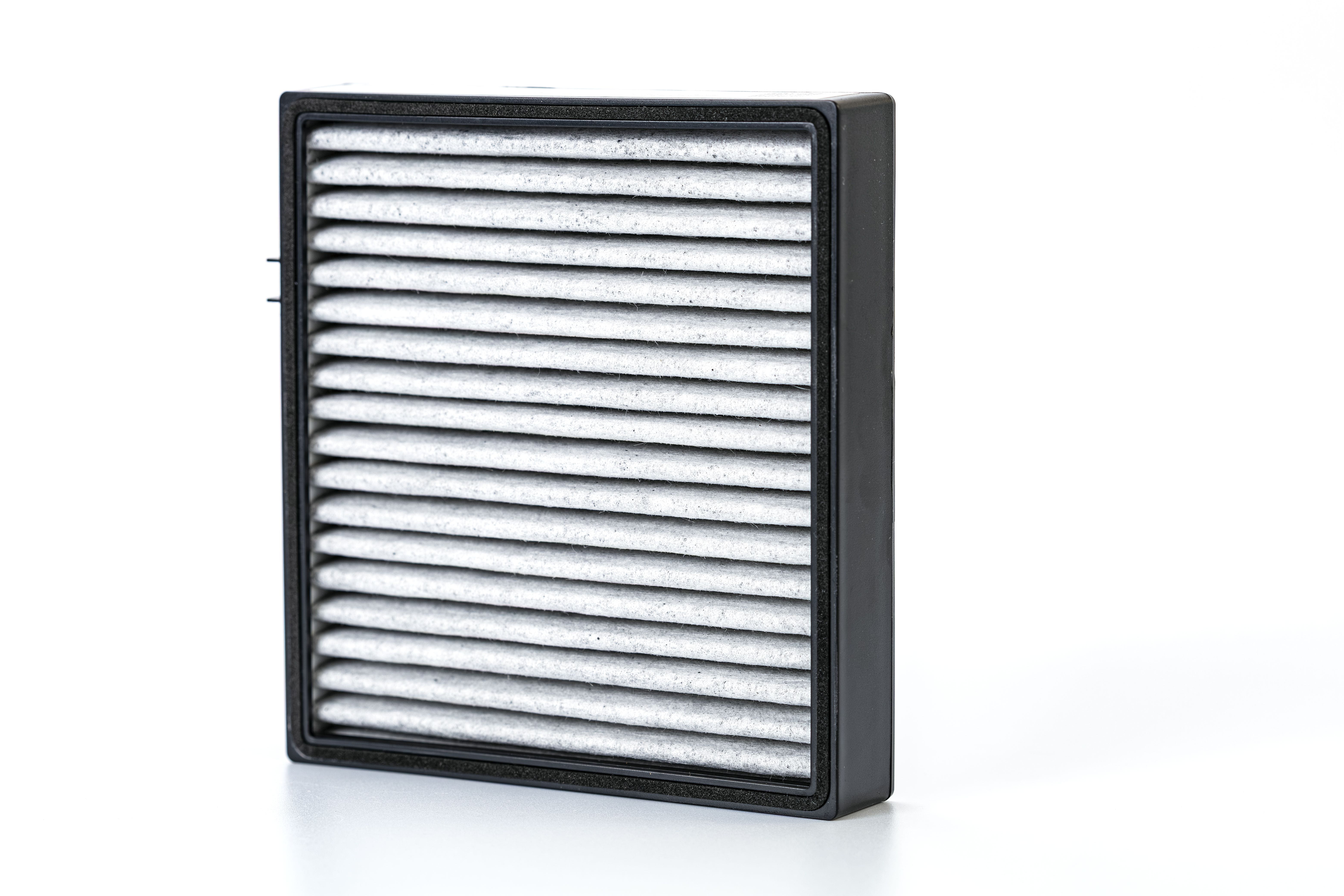
For foam filters, wash them with soap and water, and apply a few drops of oil before reinstalling. Paper filters should be replaced if they appear dirty or are damaged.
Final Checks and Maintenance
After addressing these common issues, do a final check of all connections, bolts, and screws. Ensuring everything is tightened and secured can prevent future problems.
Regular maintenance is key to keeping your small engine in top condition. Create a schedule for oil changes, filter replacements, and other routine checks to extend the life of your equipment.
By following these troubleshooting tips, you can handle many small engine repair issues at home, saving both time and money.