How to Prepare Your Lawn for Spring in Summerville
Assess Your Lawn's Current Condition
As the winter frost begins to thaw in Summerville, it's time to assess your lawn's current condition. Walk around your yard and take note of any bare spots, discolored patches, or areas where water pools. Identifying these issues early will help you address them effectively as you prepare your lawn for the growing season.
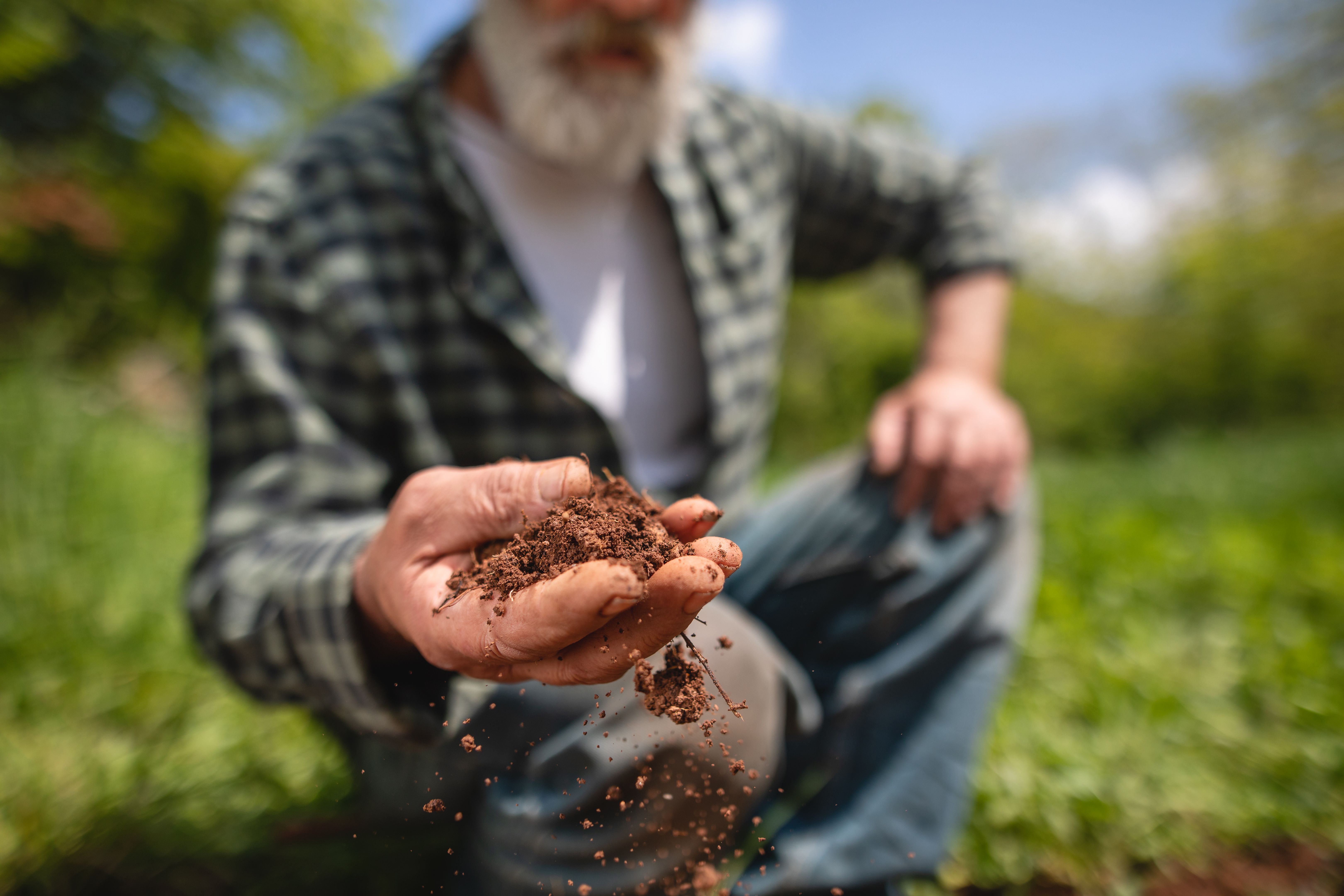
Check the soil's moisture level and texture by digging a small hole. Healthy soil should be moist but not waterlogged and have a crumbly texture. If your soil feels compacted, it might be time for aeration. This initial assessment will guide your next steps in revitalizing your lawn.
Clear Debris and Rake Thoroughly
Once you've assessed your lawn, the next step is clearing any debris left over from winter. Remove fallen branches, leaves, and any other debris that may have accumulated. This will prevent pests and diseases from settling in and creating problems later on.
Raking is crucial for removing thatch—a layer of dead grass and roots that can suffocate new growth. Be sure to rake thoroughly, as this will also help break up compacted soil and promote airflow, encouraging healthier grass development.

Test and Amend Your Soil
For a thriving lawn, it's important to test your soil's pH and nutrient levels. You can purchase a soil test kit from a local garden center or send a sample to a professional lab for more detailed analysis. The results will indicate any deficiencies or imbalances that need addressing.
If necessary, amend your soil based on the test results. This might involve adding lime to raise the pH or sulfur to lower it. Incorporating organic matter, such as compost, can also improve soil structure and fertility, providing a better environment for grass growth.
Choose the Right Grass Seed
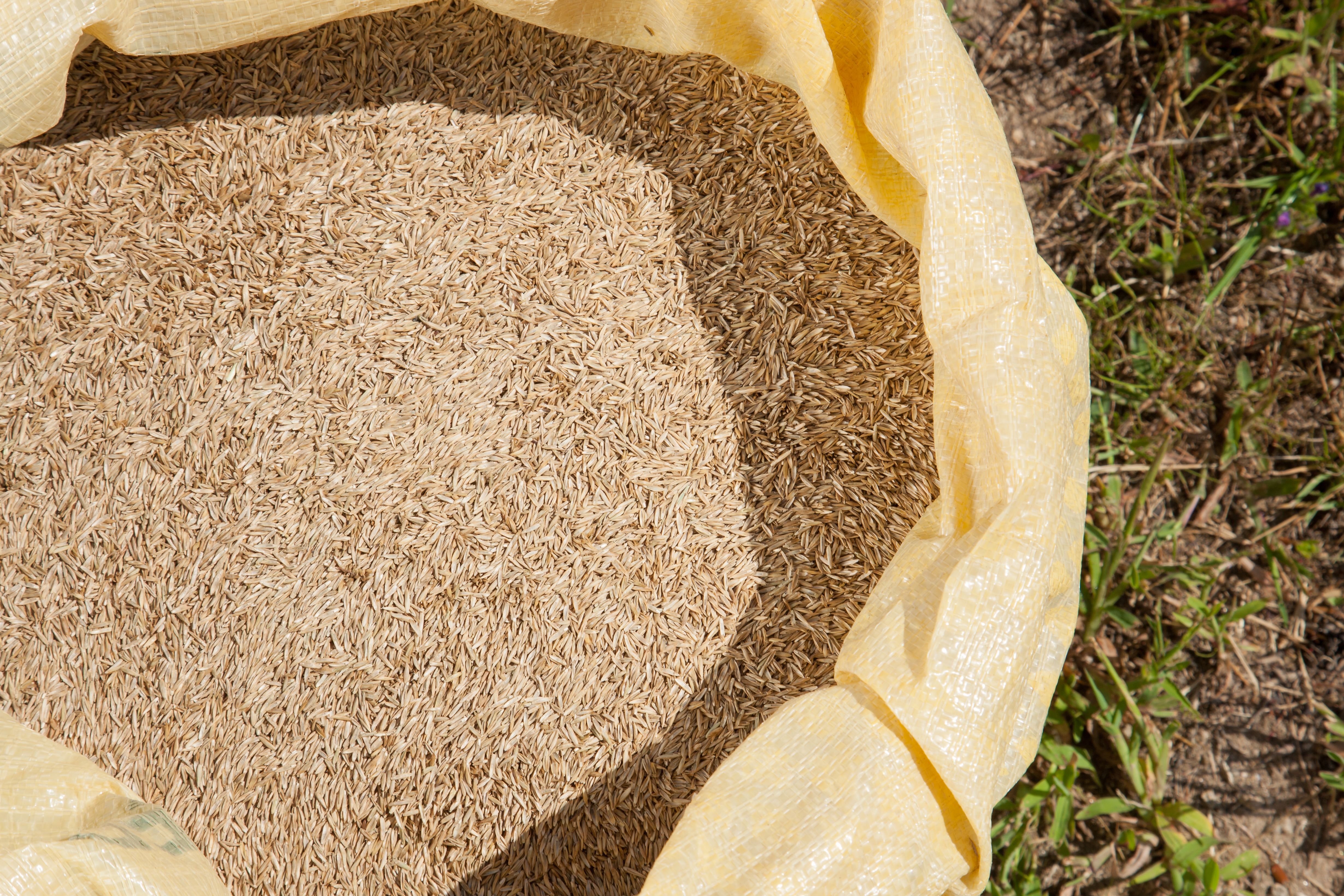
Selecting the right grass seed for your Summerville lawn is crucial to its success. Consider factors such as sunlight exposure, foot traffic, and your desired maintenance level when choosing a seed variety. Warm-season grasses like Bermuda or Zoysia are popular choices in this region due to their heat tolerance and lush appearance.
When overseeding bare spots or renovating your entire lawn, ensure you distribute the seed evenly for optimal coverage. Follow the seeding rates recommended on the packaging for the best results.
Fertilize at the Right Time
Fertilizing your lawn is essential for providing the nutrients it needs to thrive during the growing season. In Summerville, the ideal time to apply fertilizer is in late spring when the grass begins its active growth phase. Use a balanced, slow-release fertilizer to ensure consistent nutrient availability.
Avoid over-fertilizing, as this can lead to excessive growth and increased susceptibility to pests and diseases. Always follow the manufacturer's instructions for application rates and timing.
Water Wisely
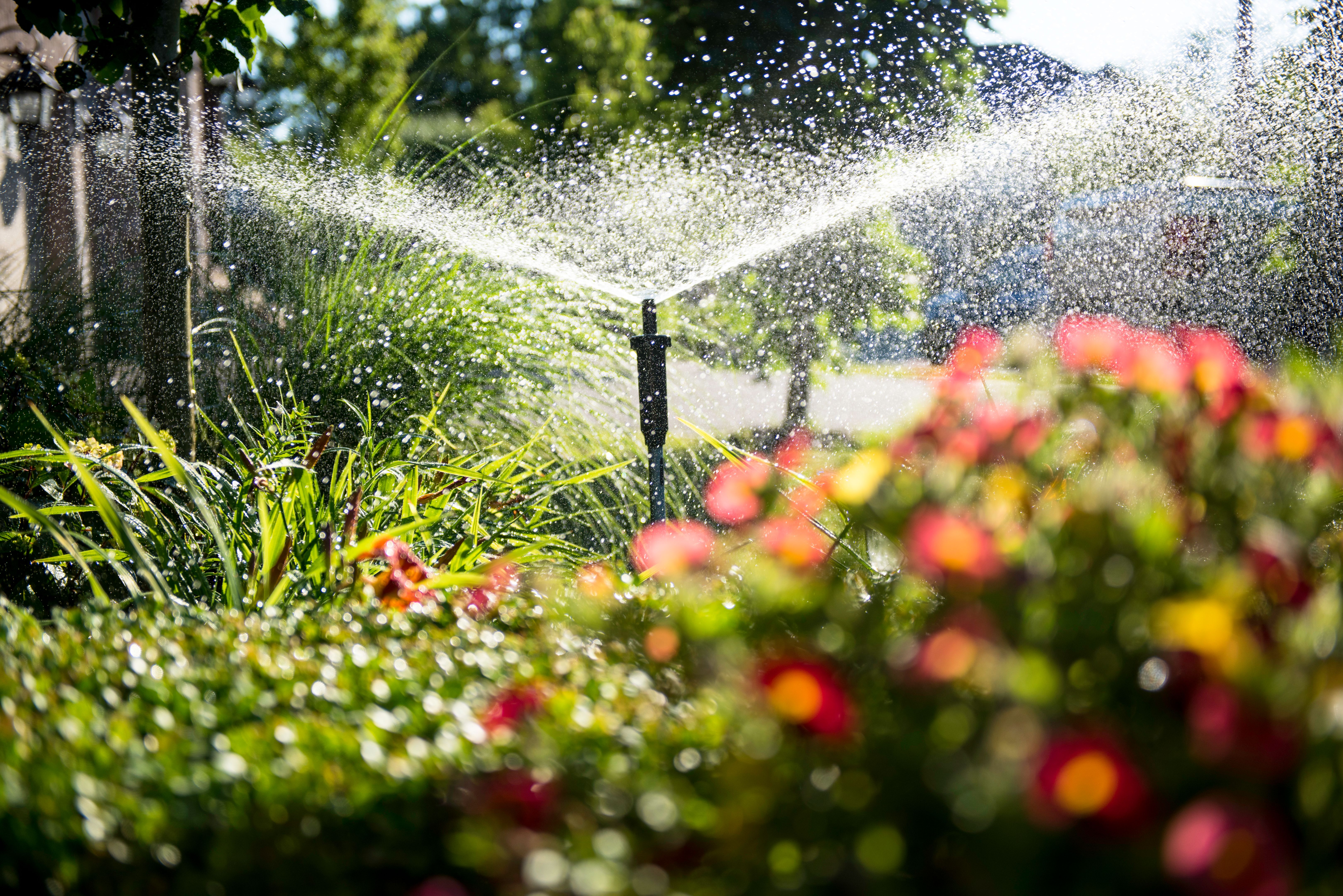
Proper watering is key to maintaining a healthy lawn during the spring months. Aim to water deeply but infrequently, encouraging deep root growth. This typically means providing about an inch of water per week, either from rainfall or supplemental irrigation.
Water early in the morning to minimize evaporation and reduce the risk of fungal diseases. Avoid watering in the evening or late afternoon when temperatures are cooler and humidity is higher.
Aerate and Dethatch if Needed
If your lawn shows signs of compaction or excessive thatch buildup, aeration and dethatching may be necessary. Aeration involves removing small plugs of soil to improve airflow and water penetration. This process can be done using a manual or mechanical aerator.
Dethatching involves removing the layer of thatch using a specialized rake or machine. Both aeration and dethatching should be done before peak growing season to minimize stress on your lawn.
Monitor for Pests and Diseases
As your lawn begins to flourish in spring, keep an eye out for signs of pests and diseases. Common issues in Summerville include grubs, chinch bugs, and fungal infections like brown patch disease. Early detection is crucial for effective management.
If you notice any problems, consult with a local lawn care professional for guidance on treatment options. Maintaining a healthy lawn through proper cultural practices is the best defense against pests and diseases.