How Local Weather Impacts Your Landscaping Choices in Summerville
Understanding Summerville's Unique Climate
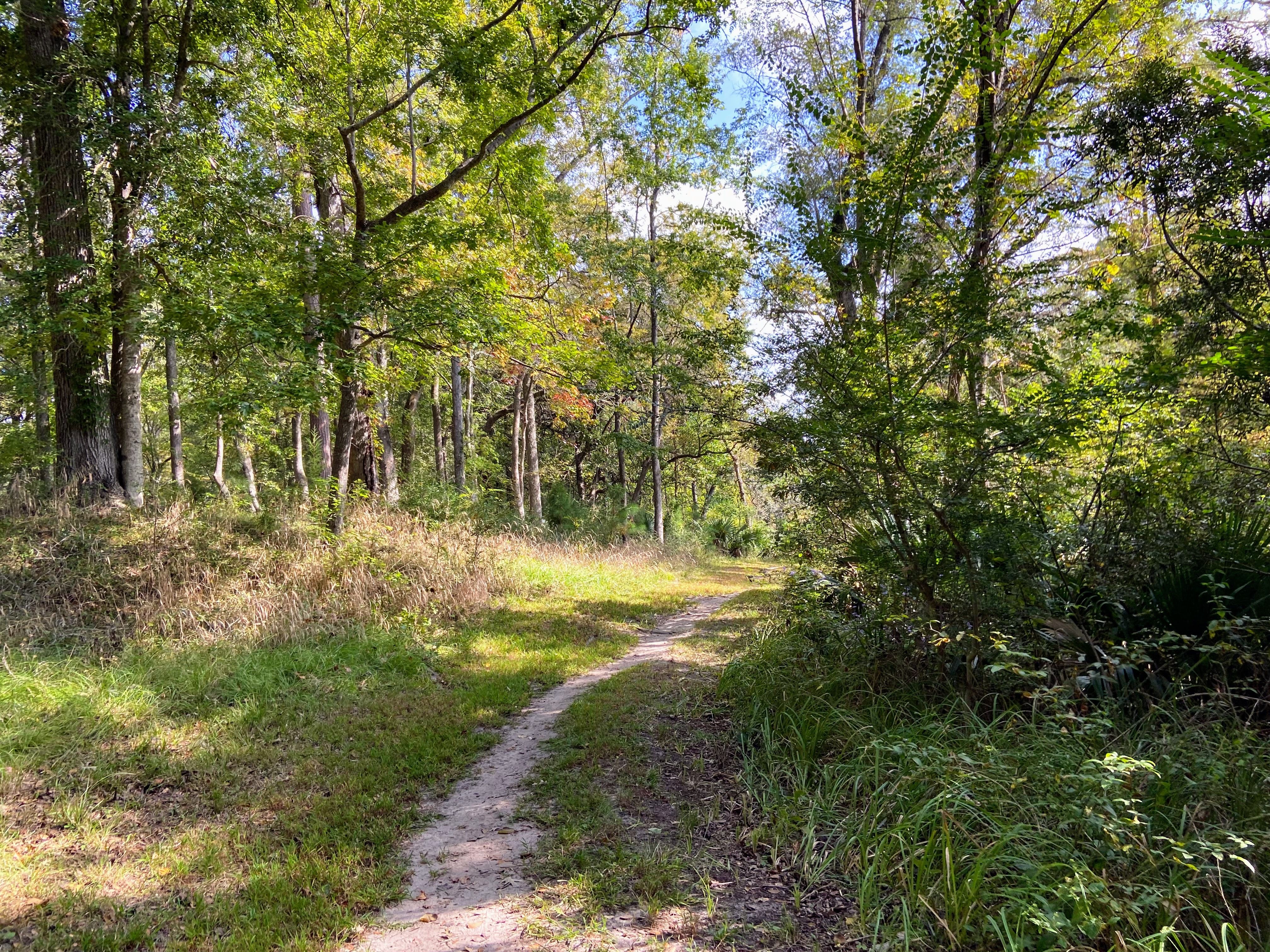
Summerville, known for its picturesque landscapes and lush greenery, offers a unique climate that significantly impacts landscaping choices. With a mix of warm, humid summers and mild winters, the weather plays a crucial role in determining which plants thrive and which struggle to survive. Understanding these local weather patterns is essential for creating a thriving garden or landscape.
The Influence of Summer Heat and Humidity
Summers in Summerville are characterized by high temperatures and humidity levels. This combination can be challenging for many plants, as excessive heat can lead to wilting and stress. It is important to select drought-tolerant plants that can withstand these conditions. Consider options like succulents, ornamental grasses, and native perennials that are well-adapted to the local climate.
Additionally, incorporating shade elements in your landscape design can help protect more delicate plants from the intense summer sun. Using trees or pergolas not only provides relief for plants but also creates comfortable outdoor spaces for you to enjoy.
Winter's Mild Impact
While winters in Summerville are generally mild, occasional cold snaps can occur. These brief periods of low temperatures might affect sensitive plants. Choosing cold-hardy varieties is crucial for ensuring your landscape remains vibrant year-round. Look for plants like evergreens and hardy shrubs that can tolerate cooler temperatures without significant damage.
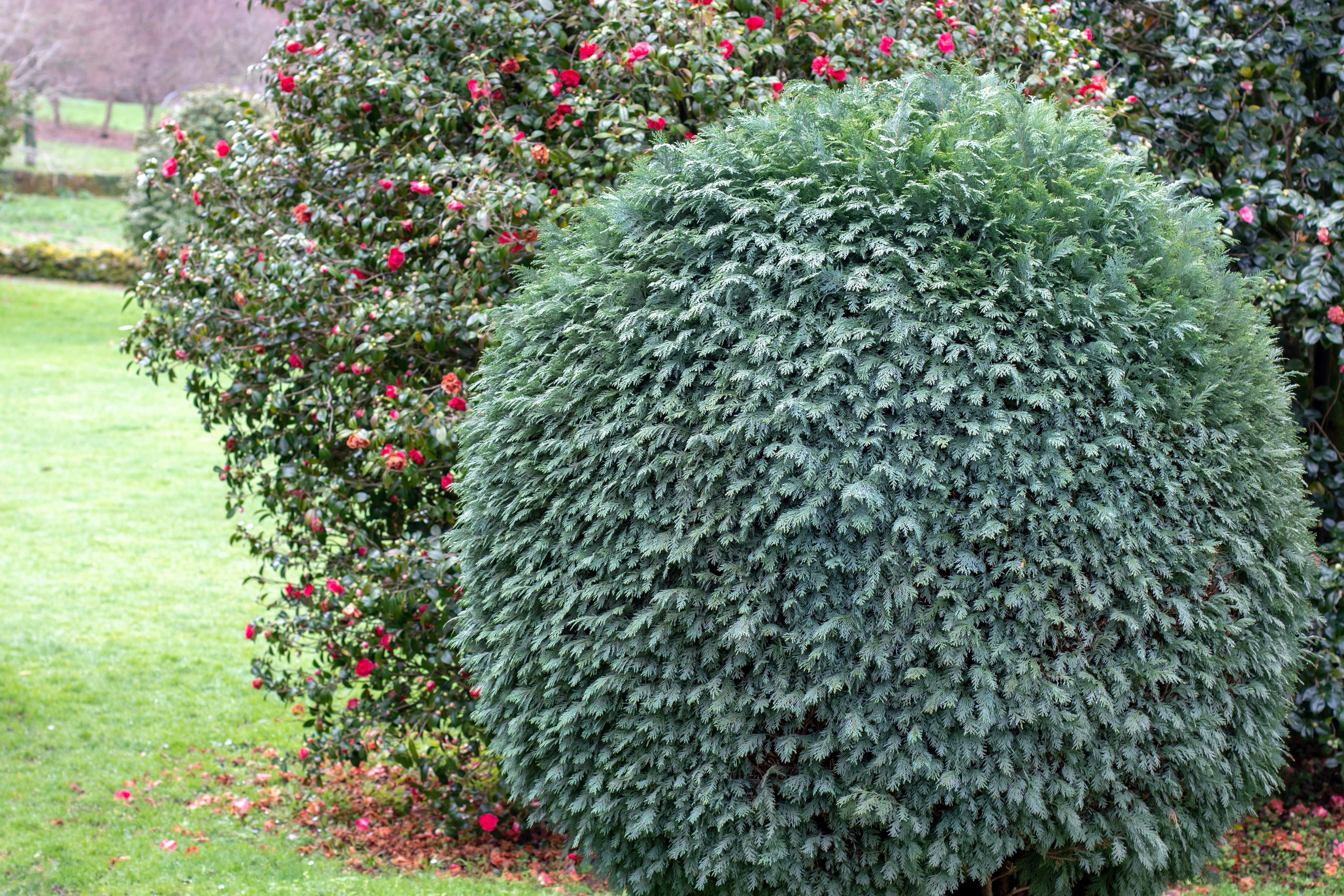
Moreover, providing a layer of mulch around the base of plants can help regulate soil temperature and protect root systems during colder months. This simple practice can prevent frost damage and encourage healthy growth.
Dealing with Rainfall Patterns
Summerville experiences a fair amount of rainfall throughout the year, which can influence soil conditions and plant growth. It's important to consider drainage when planning your landscape. Ensure that areas prone to waterlogging are avoided or amended with proper drainage solutions to prevent root rot.
Rain gardens are an excellent way to manage excess water while adding beauty to your landscape. These gardens are designed to capture runoff and allow it to slowly infiltrate the ground, supporting native plants that thrive in wetter conditions.

Choosing Native Plants
One of the best strategies for successful landscaping in Summerville is to incorporate native plants into your design. Native species are inherently adapted to the local climate and soil conditions, making them more resilient and less dependent on supplemental watering or fertilization.
Some popular native choices include Carolina Jessamine, Sweetgrass, and Sparkleberry. These plants not only enhance the aesthetic appeal of your garden but also support local wildlife by providing natural habitats and food sources.
Incorporating Water Features
Given Summerville's warm climate, incorporating water features such as fountains or ponds can add both beauty and functionality to your landscape. These features not only serve as focal points but also help moderate the surrounding temperature, creating a cooler microclimate for nearby plants.
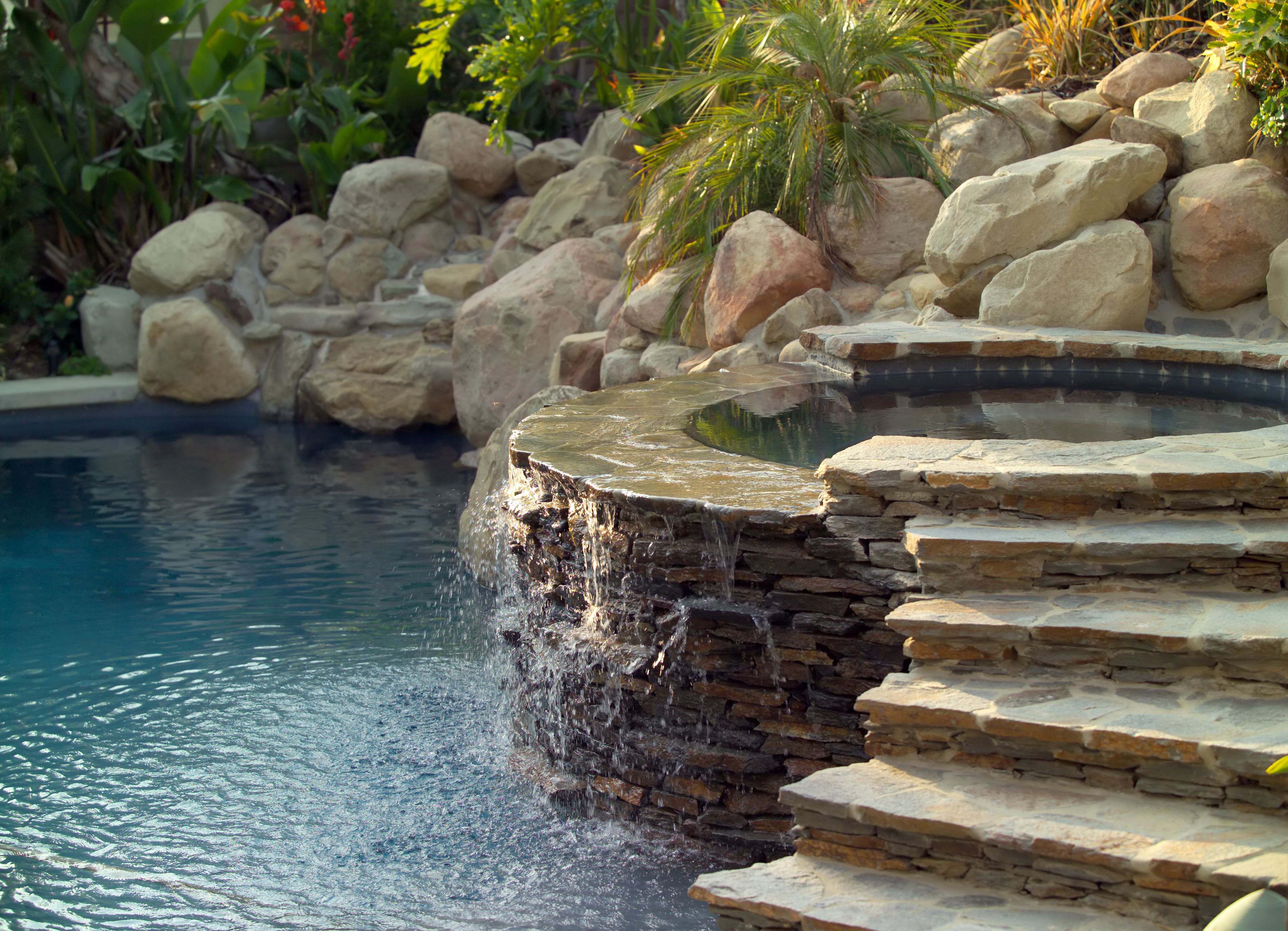
When designing water features, consider using recirculating systems to conserve water. Additionally, selecting aquatic plants that are compatible with the local climate will ensure they flourish without excessive maintenance.
Final Thoughts
Understanding how local weather impacts landscaping choices is key to creating a sustainable and thriving outdoor space in Summerville. By selecting plants suited to the climate, incorporating smart design elements, and utilizing native species, you can craft a landscape that's not only beautiful but resilient against the challenges posed by the weather.