Expert Tips for Maintaining Your Lawn During the Summer Months
Understanding Your Lawn's Needs
Maintaining a lush, green lawn during the summer months can be challenging. With the right approach, however, you can keep your grass healthy and vibrant. The first step is understanding your lawn's specific needs, such as soil type, grass species, and climate conditions. Tailoring your care routine to these factors will ensure optimal growth.
It's crucial to recognize signs of stress in your lawn, such as discoloration or wilting. These symptoms often indicate a need for adjustments in watering, mowing, or fertilization practices. Being proactive can prevent minor issues from becoming major problems.

Watering Wisely
Watering is perhaps the most critical aspect of summer lawn care. During hot months, your lawn requires more water to stay healthy. Aim to water deeply and infrequently, rather than shallow and often. This encourages deep root growth and increases drought resistance.
A good rule of thumb is to water early in the morning, allowing the grass to absorb moisture before the sun's heat causes evaporation. Using a sprinkler system with a timer can help ensure consistent watering schedules.

Mowing Techniques
Proper mowing techniques can significantly impact your lawn's health. During summer, raise your mower blade to leave grass about 3-4 inches tall. Taller grass provides shade to the soil, reducing water loss and protecting roots from the heat.
Avoid cutting more than one-third of the grass height at a time. This practice reduces stress on the plants and promotes a thicker lawn. Regularly sharpening your mower blades ensures clean cuts, which help prevent disease.

Fertilization and Weed Control
Fertilizing your lawn in summer can boost growth, but it's essential to use the right type and amount. Opt for slow-release fertilizers that provide nutrients over time without burning the grass. Following manufacturer instructions is key to avoiding over-fertilization.
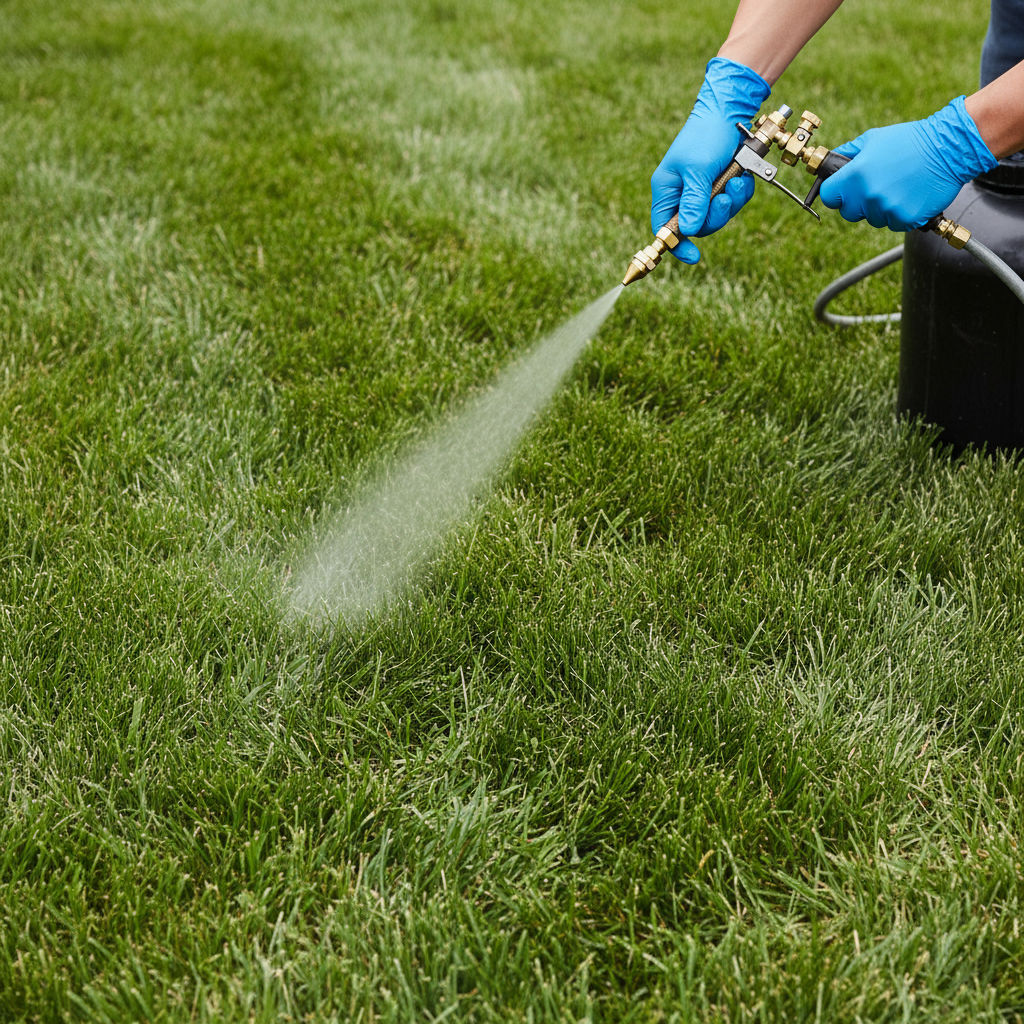
Weeds can be more aggressive in summer, competing with grass for nutrients and water. Regular mowing and targeted weed control products can keep them at bay. Selective herbicides can address specific weed issues without damaging your lawn.
Aeration and Soil Health
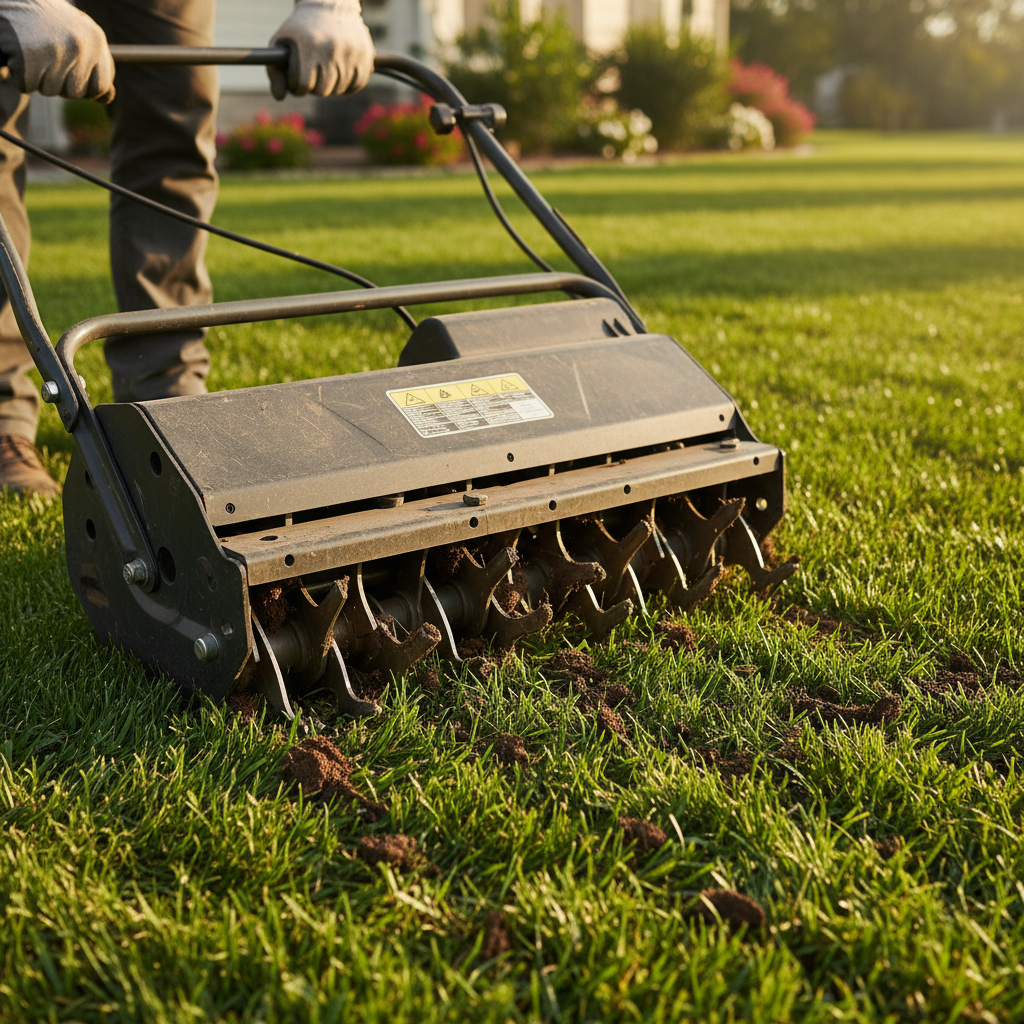
Aeration improves soil health by allowing air, water, and nutrients to penetrate the grass roots. Consider aerating your lawn in late spring or early summer to prepare it for the hot months. This process can reduce soil compaction, promoting a healthier lawn.
Maintaining a balanced pH level in your soil ensures that essential nutrients are available to your grass. Soil testing kits are readily available and can provide valuable insights into necessary soil amendments.

Pest Management
Pests can wreak havoc on your lawn during summer. Regularly inspecting your lawn for signs of insect damage, such as brown patches or chewed blades, can help you address issues early. Natural pest control methods, like introducing beneficial insects, can reduce reliance on chemical treatments.
If chemical control is necessary, choose products that are safe for your grass type and follow the application guidelines closely. Combining these strategies can keep your lawn pest-free and thriving throughout the summer.