Expert Tips for Maintaining Small Engines: A Homeowner's Guide
Understanding Small Engines
Small engines power many of the tools and machines we use daily, from lawnmowers to chainsaws. Understanding how these engines work is key to maintaining them effectively. Typically, small engines are compact, efficient, and easy to service with the right guidance and tools.
Regular maintenance not only extends the life of your equipment but also ensures optimal performance. Whether you're a seasoned DIY enthusiast or a complete novice, keeping your small engines in top shape can save you time and money.
Routine Maintenance Checks
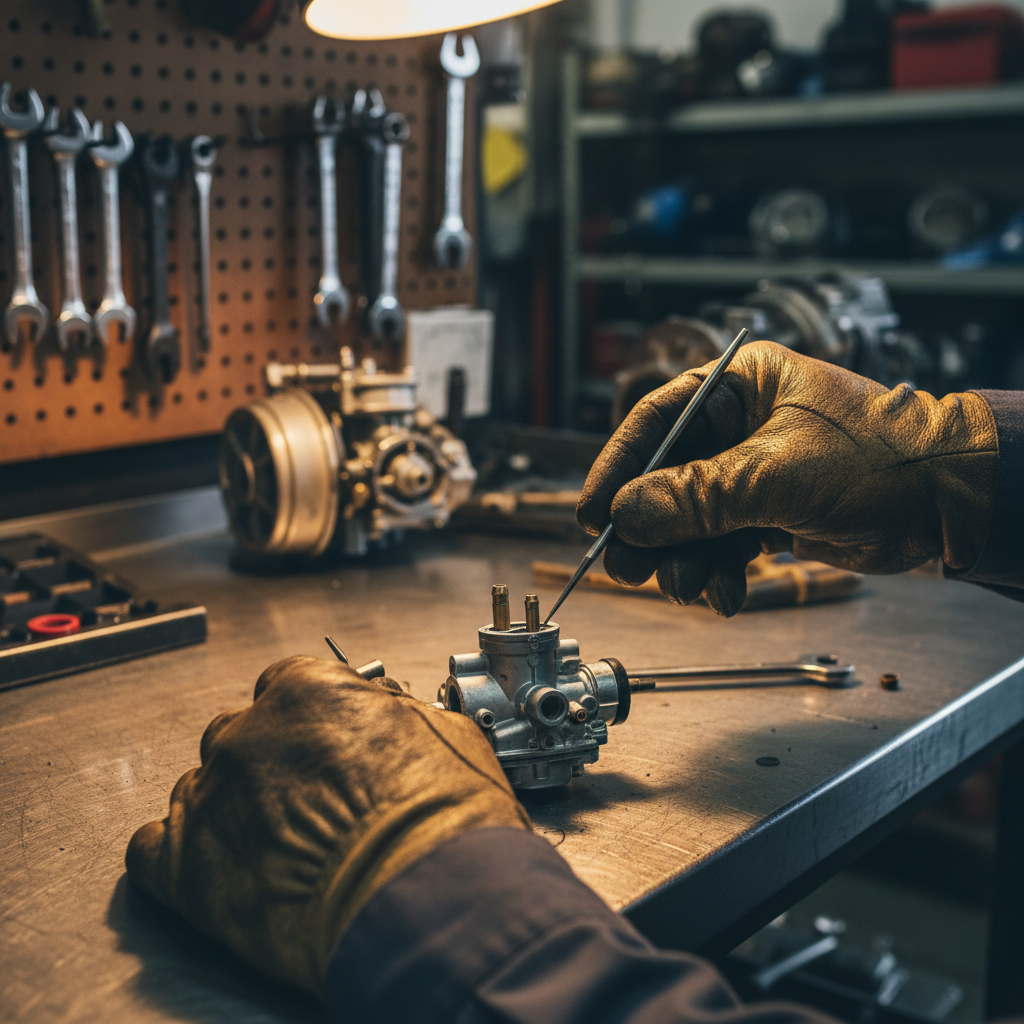
Routine maintenance is essential for keeping your small engine running smoothly. Begin with checking the oil level and condition. Make it a habit to inspect the oil before each use, topping up or replacing it as necessary. Fresh oil ensures proper lubrication, reducing wear and tear.
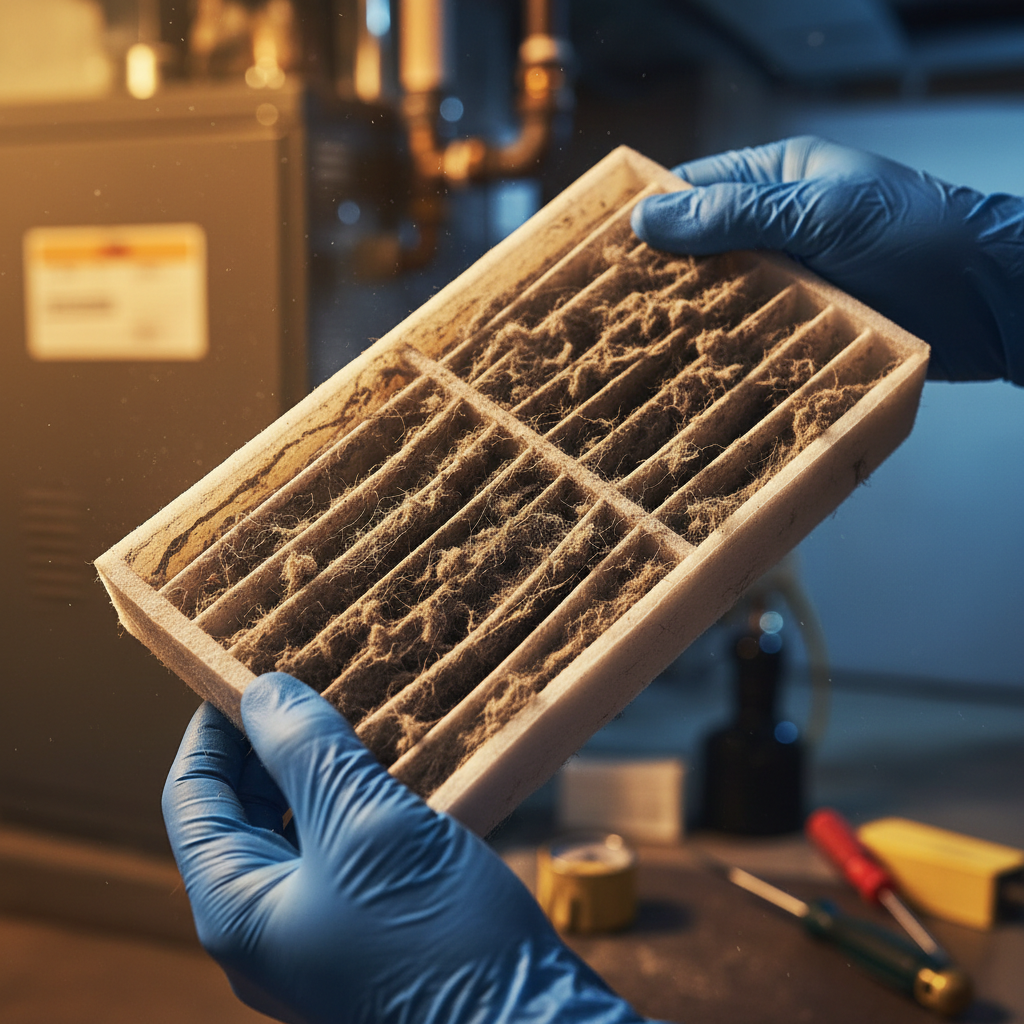
Another crucial check is the air filter. A clean air filter allows for better airflow, improving engine efficiency. Remove the filter regularly, clean it, and replace it if it appears damaged or overly dirty. This simple step can make a significant difference in engine performance.
Fuel System Care
The fuel system is the heart of your small engine. Always use fresh fuel to prevent clogging and poor performance. Stale fuel can lead to gum deposits in the carburetor, affecting engine efficiency. If you store your equipment during off-seasons, add a fuel stabilizer to the tank.
Inspect the fuel lines for cracks or leaks and replace them if needed. A well-maintained fuel system ensures your engine runs smoothly and starts effortlessly every time.
Spark Plug Inspection
The spark plug is a critical component of your engine's ignition system. Regularly inspect the spark plug for signs of wear or carbon buildup. Cleaning or replacing the spark plug as needed can prevent starting issues and improve fuel efficiency.
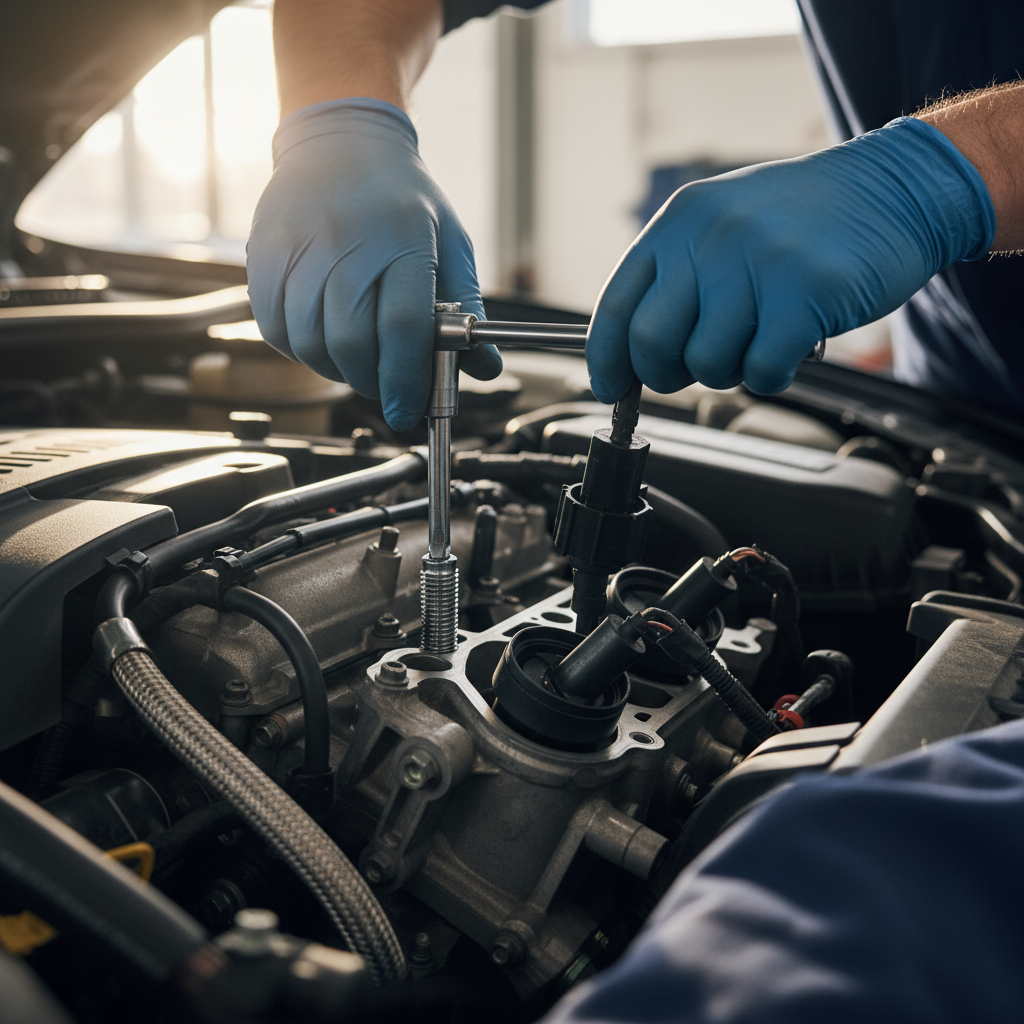
When replacing a spark plug, ensure you use the correct type specified for your engine. An incorrect spark plug can lead to poor performance and potential engine damage.
Blade and Belt Maintenance
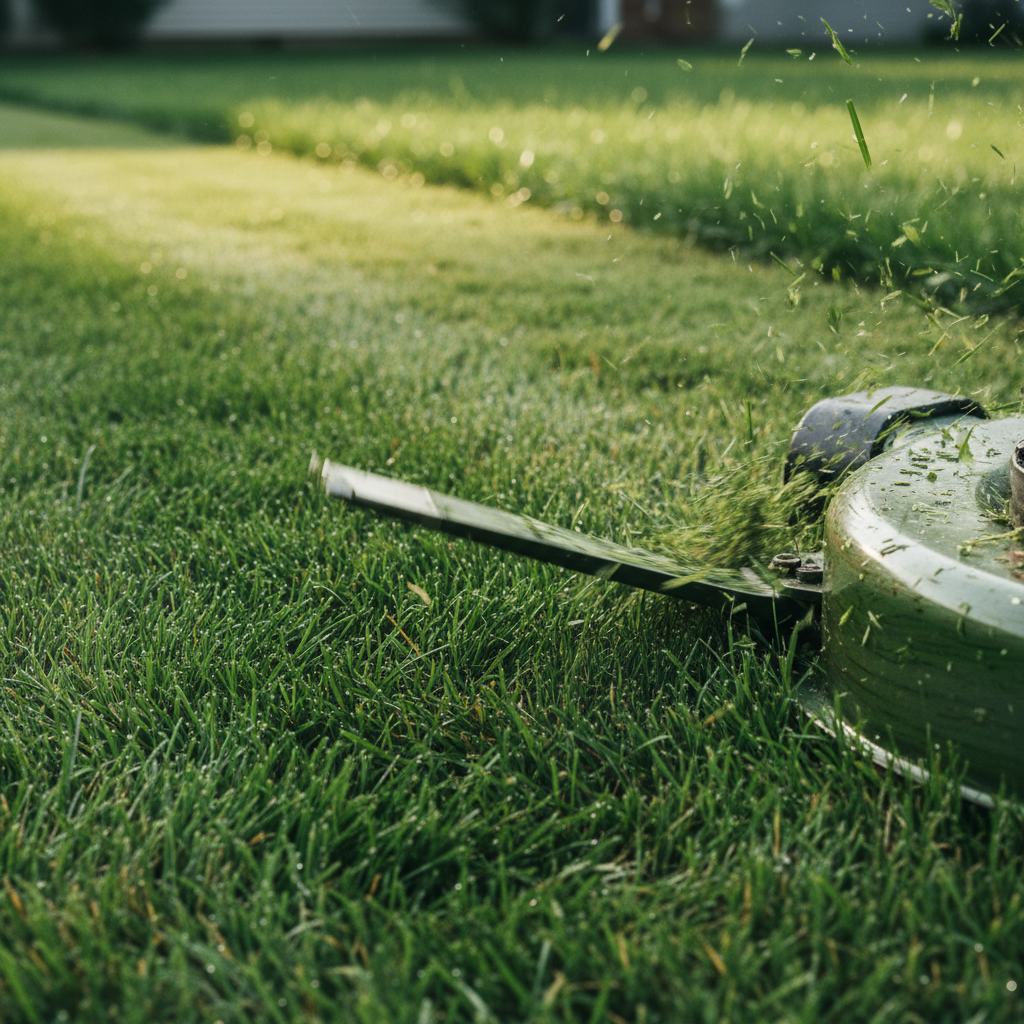
For equipment like lawnmowers, maintaining the blade and belt is vital. Regularly check the blade for sharpness and balance. A dull or unbalanced blade can strain the engine and reduce cutting efficiency.
Inspect belts for wear and tension. A loose or damaged belt can slip or break, causing operational issues. Adjust or replace belts as necessary to keep your equipment running smoothly.
Storage Tips for Longevity
Proper storage is crucial, especially during the off-season. Clean your equipment thoroughly before storing it to prevent rust and corrosion. Drain the fuel tank or add a stabilizer to prevent fuel degradation.
Store your equipment in a dry, sheltered place. Cover it to protect it from dust and moisture, ensuring it's ready for use when the season begins again.
Conclusion
Maintaining small engines doesn't have to be complicated. By following these expert tips, you can keep your equipment in excellent condition, ensuring it performs efficiently and lasts longer. Regular checks and timely maintenance are the keys to a hassle-free experience.
With a little effort and attention to detail, you'll enjoy the reliability and performance of your small engines for years to come.