Expert Tips for Maintaining a Beautiful Lawn in the Lowcountry Climate
Understanding the Lowcountry Climate
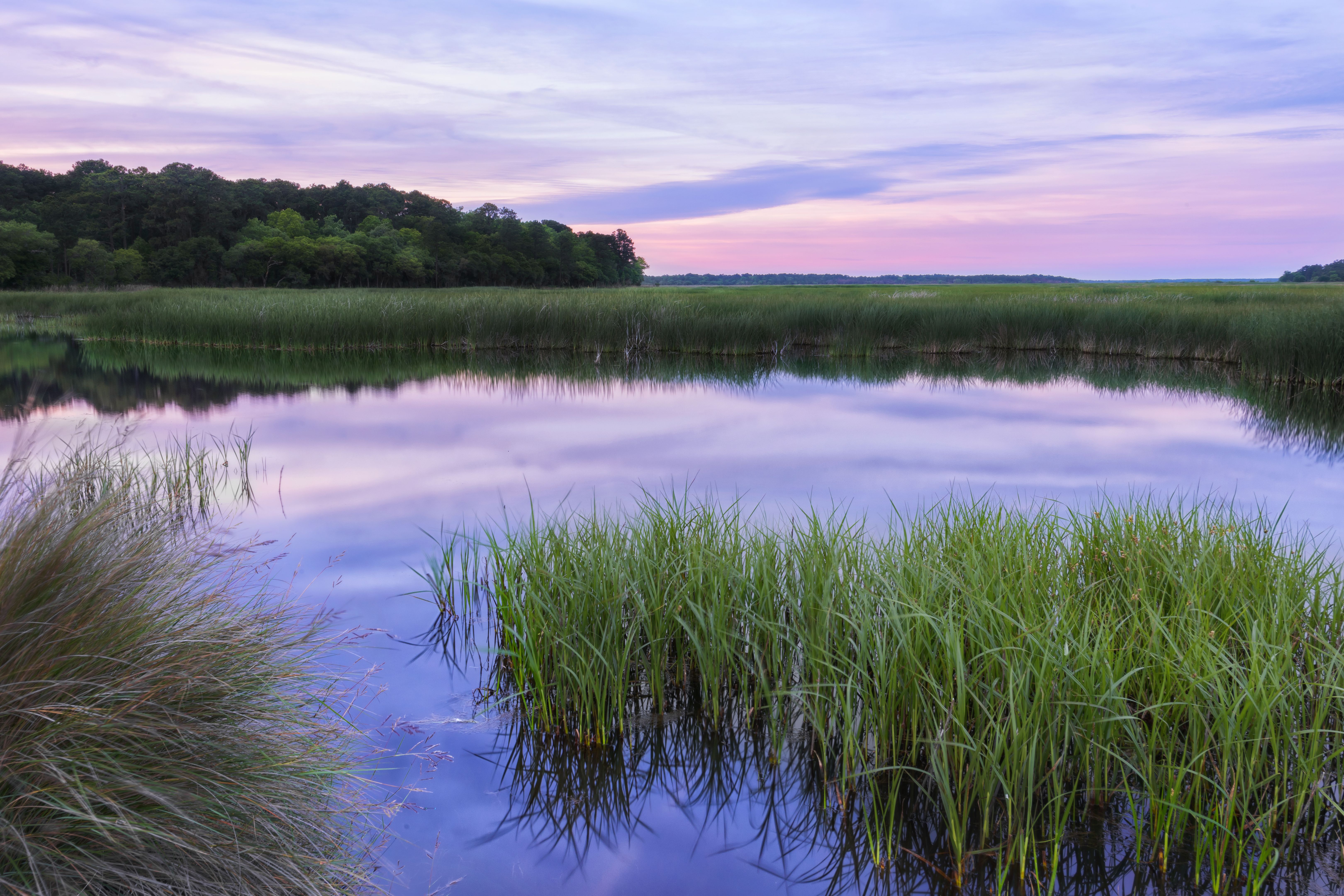
The Lowcountry region, known for its unique charm and picturesque landscapes, presents a distinct set of challenges for lawn maintenance. The combination of high humidity, sandy soils, and occasional salt exposure requires a tailored approach to keep your lawn looking lush and healthy. Understanding these factors is crucial for effective lawn care.
In this region, summers are hot and humid, while winters are mild, creating a year-round growing season for many grass types. However, this climate can also foster weed growth and lawn diseases. By implementing the right strategies, you can maintain a beautiful lawn throughout the year.
Choosing the Right Grass
Selecting the appropriate grass type is essential for thriving in the Lowcountry climate. Some of the best options include:
- Centipede Grass: Known for its low maintenance and adaptability to sandy soils.
- Bermuda Grass: Popular for its heat tolerance and rapid growth.
- St. Augustine Grass: Ideal for coastal areas, with a high tolerance for salt.
Each of these grass types offers specific benefits, but they also have unique care requirements. Understanding these needs will help you make the best choice for your lawn.

Watering Techniques
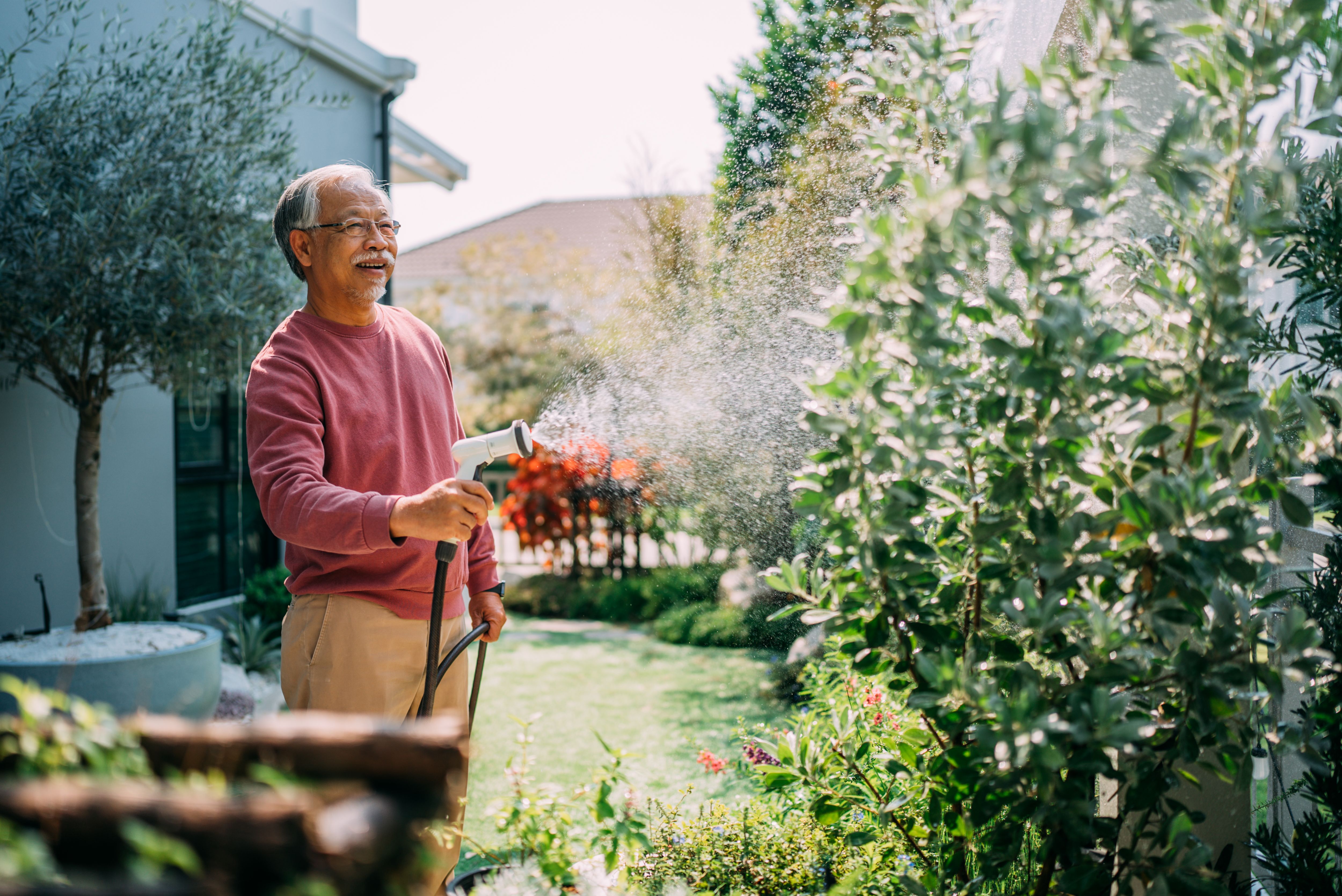
Proper watering is crucial for a healthy lawn in the Lowcountry. Due to the sandy soil, water can quickly drain away, leaving grass thirsty. It's essential to water deeply but infrequently, allowing the roots to grow deeper and stronger. Early morning is the best time to water, as it reduces evaporation and fungal diseases.
Consider installing a smart irrigation system to optimize water usage. These systems adjust watering schedules based on weather conditions, ensuring your lawn receives the right amount of moisture without waste.
Fertilization and Soil Care
Fertilizing your lawn provides essential nutrients that might be lacking in the sandy Lowcountry soil. A slow-release fertilizer is ideal, as it supplies nutrients steadily over time. Conducting a soil test can help determine what specific nutrients your lawn requires, leading to more effective fertilization.
Aeration is another important practice, especially in compacted areas. It improves soil structure and allows air, water, and nutrients to reach the roots more efficiently. Consider aerating your lawn at least once a year for optimal health.
Pest and Weed Control
The warm and humid climate of the Lowcountry can attract various pests and encourage weed growth. Integrated Pest Management (IPM) is a sustainable approach that combines biological, cultural, and chemical methods to control pests effectively.
Regularly inspect your lawn for signs of weeds and pests, and act quickly to address any issues. Utilizing natural predators and organic solutions can help maintain a balanced ecosystem in your lawn.
Seasonal Maintenance Tips
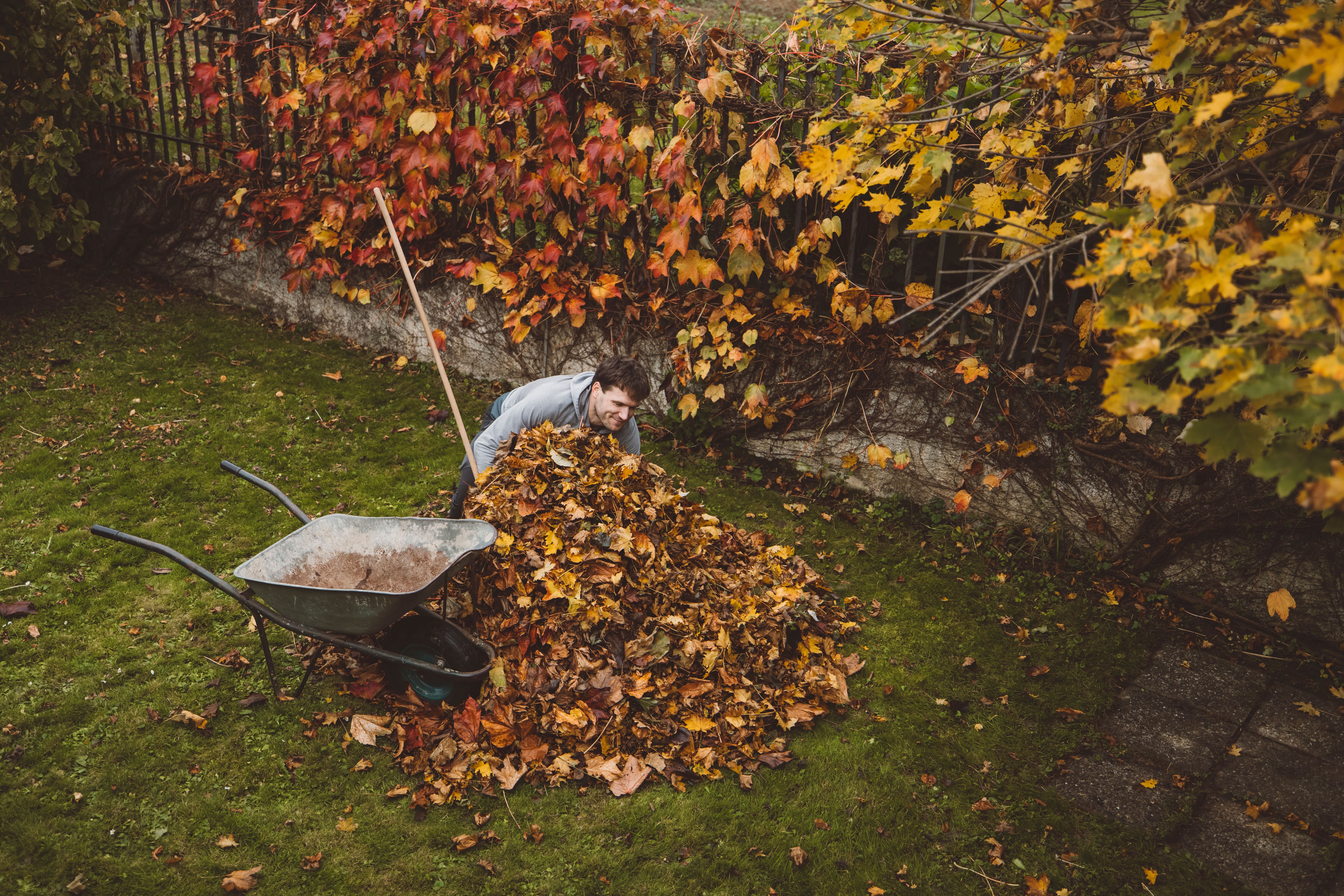
Adapting your lawn care routine to the seasons is vital in the Lowcountry. In spring, focus on cleaning up debris and preparing your lawn with proper aeration and fertilization. Summer requires vigilant watering and mowing to prevent heat stress. In fall, continue to manage weeds and prepare your lawn for the cooler months with appropriate nutrients.
By understanding the unique challenges of the Lowcountry climate and following these expert tips, you can enjoy a vibrant and healthy lawn all year round. Consistent care and attention to detail will ensure your outdoor space remains an inviting and beautiful part of your home.