Expert Advice on Choosing the Best Materials for Your Hardscaping Projects
Understanding Hardscaping Materials
When embarking on a hardscaping project, selecting the right materials is crucial to ensure durability and aesthetics. Hardscaping involves the use of non-living elements like wood, stone, and concrete, to create beautiful and functional outdoor spaces. Each material has its unique qualities and choosing the best one depends on several factors including climate, budget, and design preferences.
Natural Stone: A Timeless Choice
Natural stone is a popular choice for many hardscaping projects due to its durability and natural beauty. It comes in various types such as granite, limestone, and slate, each offering a distinct appearance. Limestone is softer and more workable, making it ideal for intricate designs while granite is known for its toughness and resistance to wear.
When choosing natural stone, consider the local climate. For instance, areas with freeze-thaw cycles may require stone that can withstand extreme temperature changes without cracking.
Pavers: Versatility and Functionality
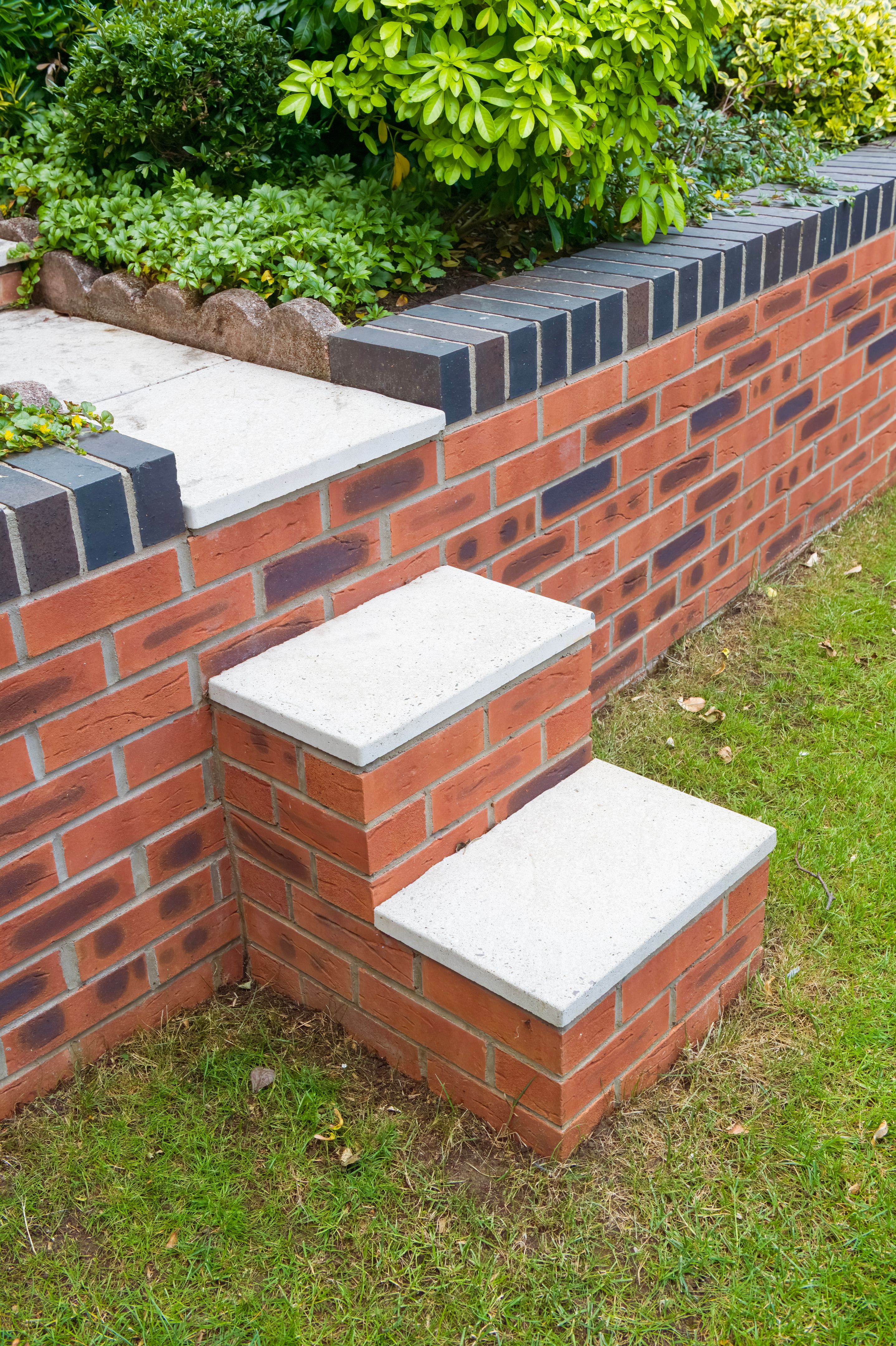
Pavers are another excellent choice for hardscaping projects. They come in a variety of materials including concrete, brick, and stone, offering flexibility in design. Pavers are known for their strength and can be used in pathways, driveways, and patios. Their interlocking design allows for easy installation and repair, which can be a significant advantage.
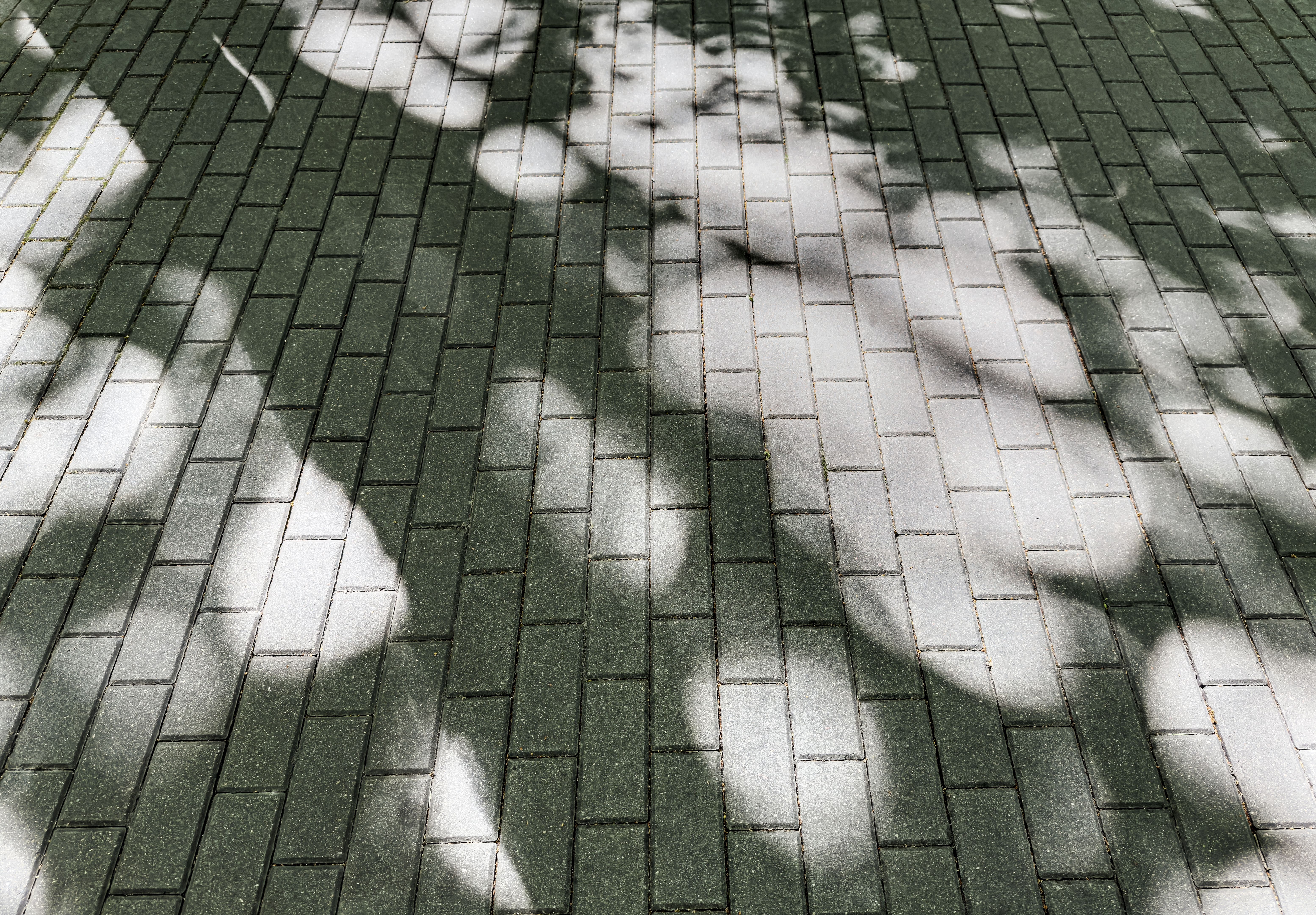
Consider the intended use of the space when selecting pavers. For high-traffic areas, choose materials that offer both durability and slip resistance. The color and texture of pavers can also complement your home’s existing architecture.
Concrete: Economical and Adaptable
Concrete is a highly adaptable material that is often used in hardscaping for its affordability and customizable nature. It can be molded into various shapes and sizes and can even mimic the appearance of natural stone or brick. Additionally, concrete is available in a range of colors and finishes, allowing for personalized designs.
While concrete is durable, it requires proper sealing to prevent staining and weather damage. Regular maintenance will extend its lifespan and keep it looking fresh.
Considerations for Choosing Materials
When selecting materials for your hardscaping project, consider the following factors:
- Climate: Select materials that can withstand the local weather conditions.
- Budget: Determine your budget as some materials are more costly than others.
- Design: Choose materials that align with your aesthetic preferences.
- Maintenance: Consider how much time you're willing to invest in upkeep.
Sustainability and Environmental Impact
Incorporating sustainability into your hardscaping projects is increasingly important. Look for materials that are locally sourced or have low environmental impact. Recycled materials like crushed stone or reclaimed wood can be excellent eco-friendly options that contribute to the sustainability of your project.
Choosing sustainable materials not only benefits the environment but may also reduce costs over time through less maintenance and longer durability.
Expert Tips for a Successful Project
Here are some expert tips to ensure your hardscaping project is successful:
- Plan Thoroughly: Outline your project goals and layout before purchasing materials.
- Consult Professionals: Seek advice from landscape architects or contractors for material recommendations.
- Test Samples: Obtain samples of materials to see how they look and feel in your space.
- Long-term Vision: Consider how your choices will age over time and adapt to future changes in your landscape.
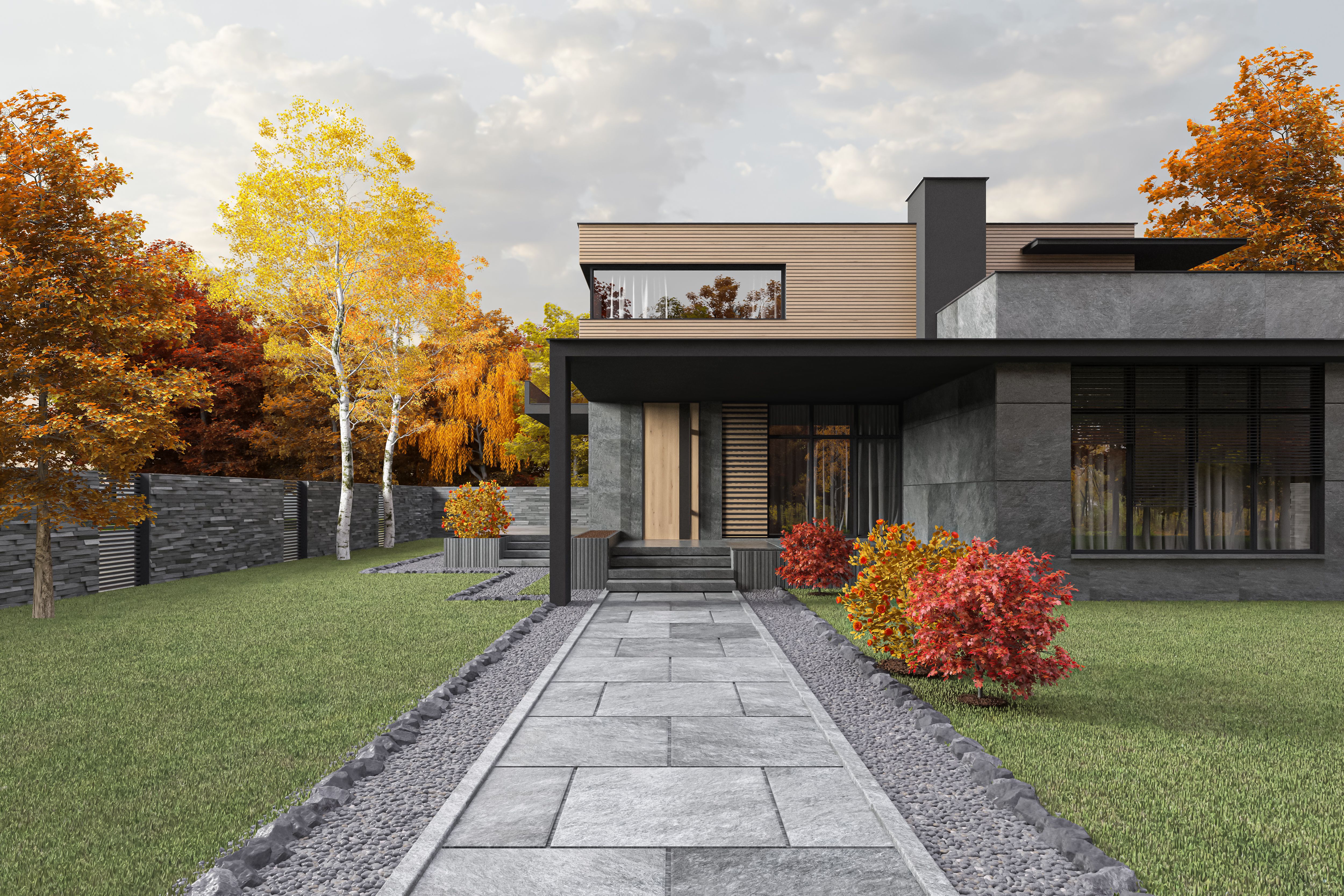
By carefully selecting the right materials and considering expert advice, you can create a stunning hardscape that enhances the functionality and beauty of your outdoor space for years to come.