DIY Small Engine Repair: Essential Tips and Tricks
Understanding Small Engines
Small engines power many of our everyday tools, from lawnmowers to chainsaws. Understanding their basic components and functions is essential for effective DIY repairs. Most small engines are internal combustion engines that run on gasoline and have similar parts such as carburetors, spark plugs, and air filters.
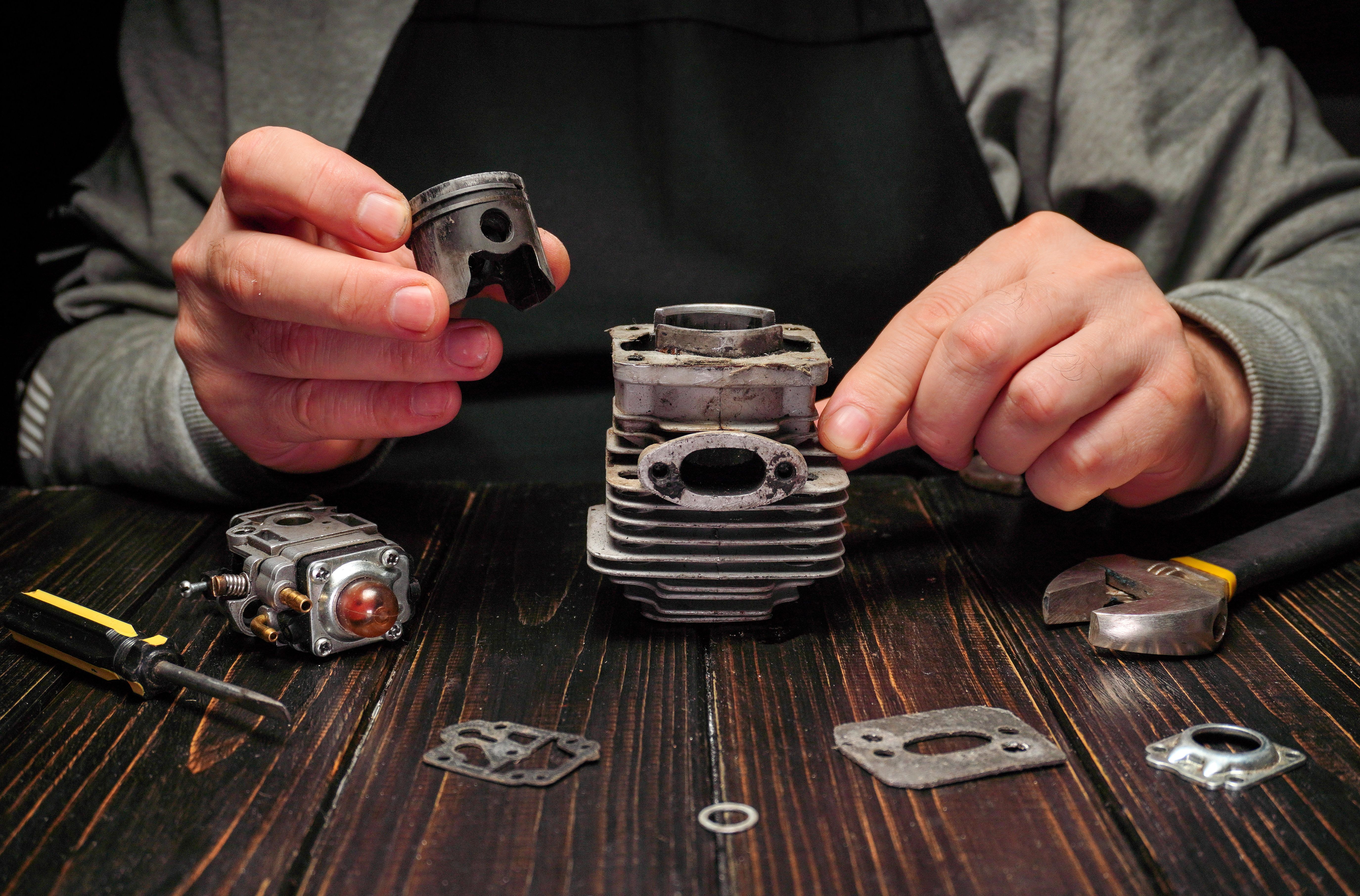
Knowing the types of engines you’re dealing with will help you diagnose and fix issues more efficiently. Both two-stroke and four-stroke engines have unique characteristics, so familiarize yourself with their differences to ensure proper maintenance and repair.
Essential Tools for Repair
Before diving into any repair project, having the right tools is crucial. A basic toolkit for small engine repair should include:
- Screwdrivers (flathead and Phillips)
- Socket set
- Wrenches
- Feeler gauge
- Oil filter wrench
Investing in a repair manual specific to your engine model can also be a valuable resource, providing detailed diagrams and troubleshooting tips.
Regular Maintenance Tips
Regular maintenance is key to extending the life of your small engine. Begin with changing the oil regularly, as clean oil ensures smooth operation and reduces wear and tear. Likewise, replace air filters and spark plugs as needed. These components are inexpensive but vital for optimal engine performance.
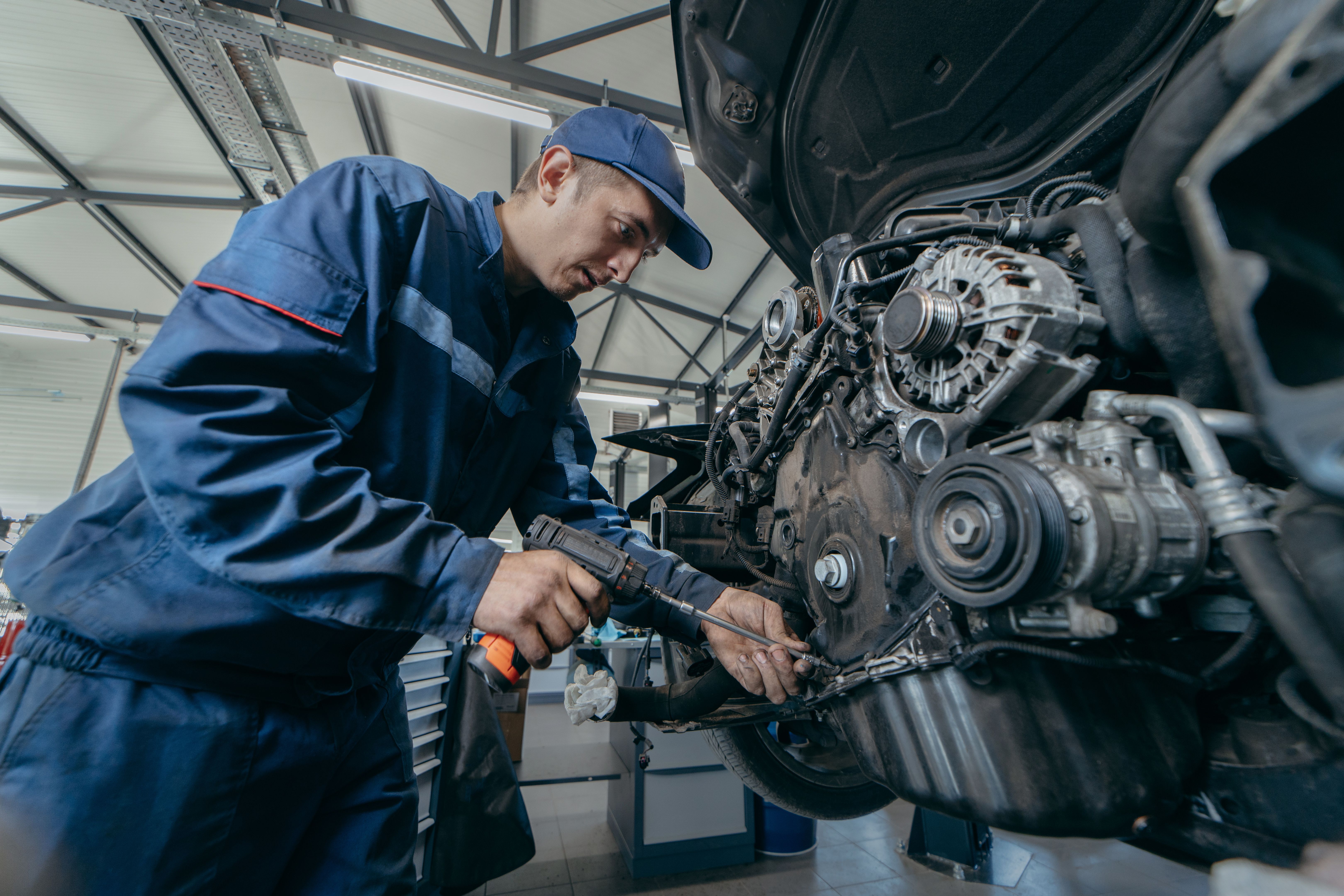
Check and clean the carburetor periodically. A clogged carburetor can prevent the engine from starting or running smoothly. Use a carburetor cleaner to remove any deposits that might have accumulated over time.
Troubleshooting Common Problems
Even with proper maintenance, issues can arise. Common problems include engines not starting, running rough, or stalling. Begin troubleshooting by checking the fuel supply. Ensure there’s fresh gasoline in the tank, as old fuel can lead to starting problems.

Next, inspect the spark plug. A fouled or damaged spark plug can prevent the engine from starting. Clean or replace the spark plug as necessary. If the problem persists, examine the fuel lines and carburetor for any blockages or leaks.
Safety Precautions
While repairing small engines, safety should always be a priority. Wear safety goggles and gloves to protect yourself from debris and sharp components. Ensure the engine is off and cool before beginning any repairs to prevent burns or other injuries.
Work in a well-ventilated area to avoid inhaling fumes. Always double-check that all tools and parts are secured properly before starting the engine again.
When to Seek Professional Help
Some issues might require professional attention, especially if they involve complex electrical or mechanical problems. If you’ve tried basic troubleshooting and the engine still isn’t functioning correctly, it might be time to consult a professional mechanic. They can provide a more thorough diagnosis and repair, ensuring your engine runs smoothly.
Remember, while DIY repairs can save money, certain situations warrant expert intervention to prevent further damage or safety hazards.