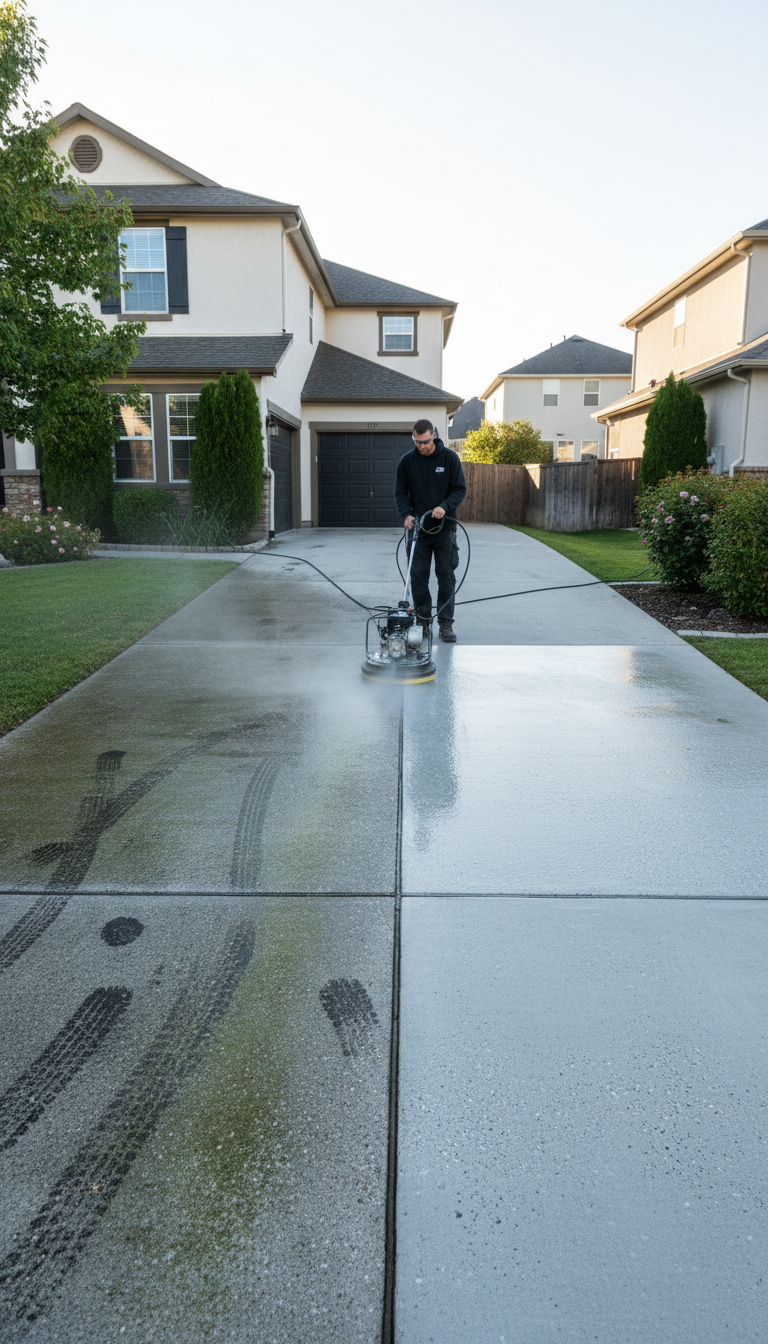
DIY Pressure Washing: What You Need to Know Before Starting
Getting Started with DIY Pressure Washing
Pressure washing can be a satisfying way to clean your home's exterior, driveways, or decks. However, before you dive in, there are essential things to consider to ensure the job is done safely and effectively.
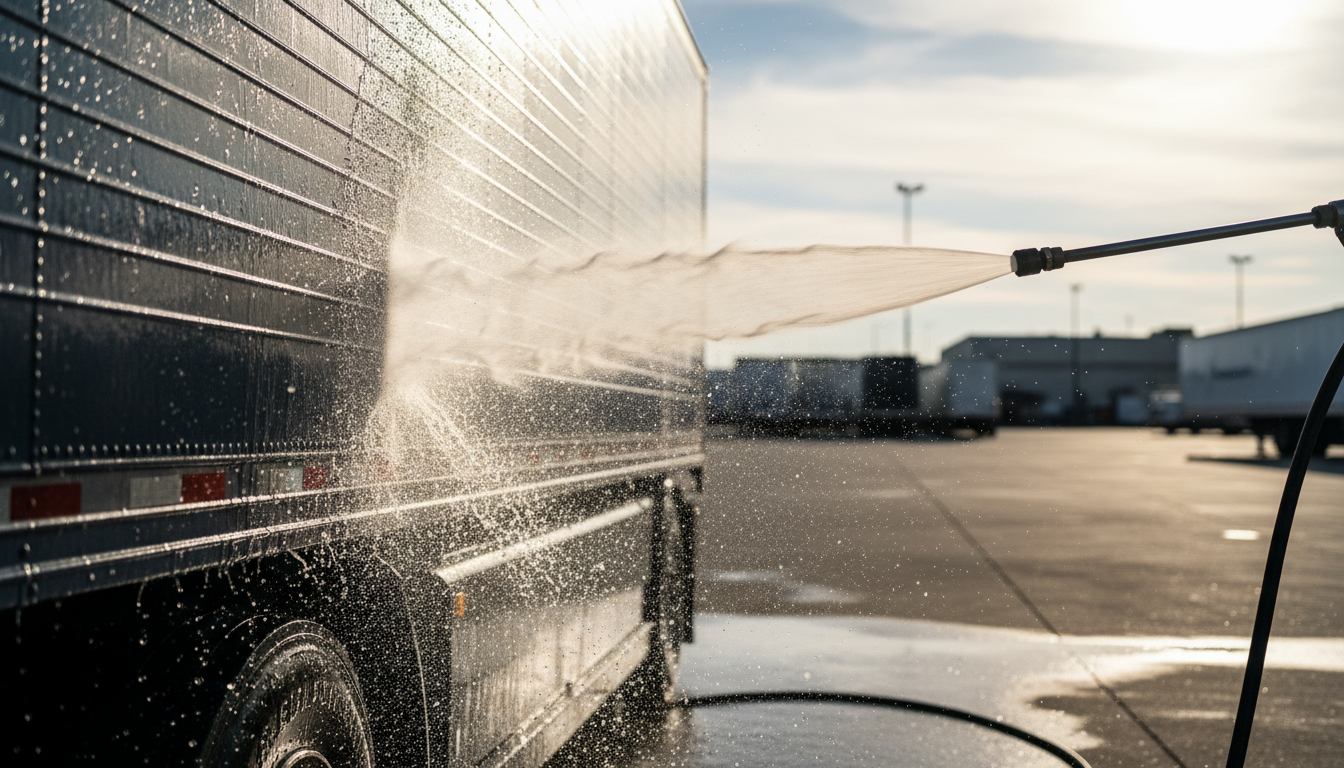
Understanding Pressure Washing
Pressure washing involves using a high-pressure water spray to remove dirt, grime, mold, and other unwanted substances from surfaces. It's an efficient cleaning method, but it requires careful handling to avoid damaging surfaces.
Before starting, it's crucial to understand the different types of pressure washers: electric and gas-powered. Electric washers are typically less powerful but more suitable for light cleaning tasks. Gas-powered washers, on the other hand, are more robust and ideal for heavy-duty tasks.
Choosing the Right Equipment
When choosing a pressure washer, consider the cleaning power, measured in PSI (pounds per square inch) and GPM (gallons per minute). A higher PSI and GPM mean more cleaning power. For home use, a washer with a PSI of 2,000 to 3,000 should suffice.
- Light Cleaning: 1,300 to 1,900 PSI
- Medium Cleaning: 2,000 to 2,800 PSI
- Heavy Cleaning: 2,900 to 3,200 PSI
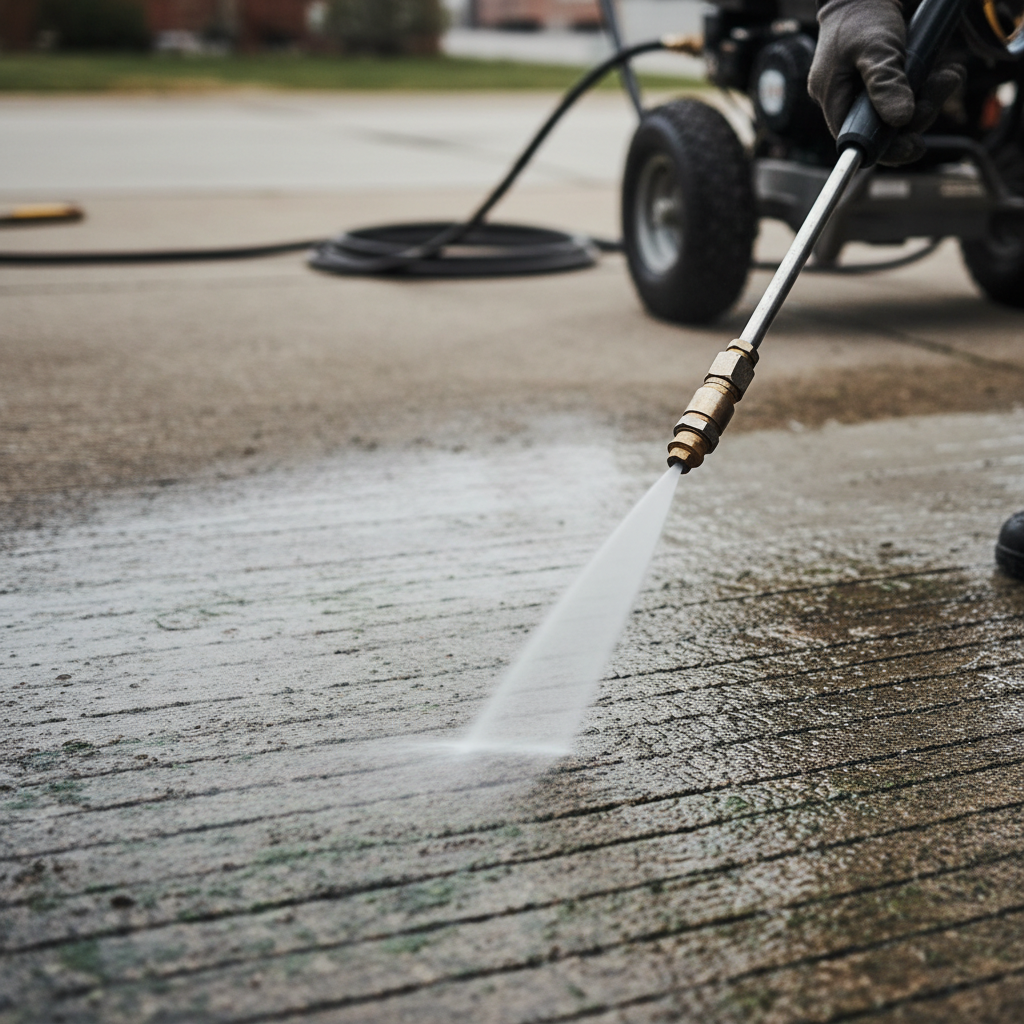
Safety Precautions
Pressure washers can be dangerous if not used properly. Always wear protective gear, such as goggles and gloves, to protect yourself from flying debris. Additionally, be cautious around windows and electrical outlets to prevent damage or injury.
Ensure you read the manufacturer's instructions carefully. Understanding how to operate the machine safely can prevent accidents and ensure optimal performance.
Preparing the Area
Before you start pressure washing, prepare the area by removing any furniture, plants, or objects that may get in the way. Cover nearby plants with a tarp to protect them from the high-pressure spray.
Inspect the surface you'll be cleaning for any damage. Pressure washing can exacerbate cracks or chips, so it's best to repair these before starting.
Choosing the Right Detergent
Using the correct detergent can enhance the cleaning process. Ensure you select a product suitable for the surface you're cleaning. Some pressure washers have built-in detergent tanks, making it easy to apply the solution evenly.
Avoid using bleach or harsh chemicals, as they can damage surfaces and harm the environment.
Executing the Job
Start pressure washing from a safe distance to prevent surface damage. Gradually move closer until you find the optimal distance where dirt is removed effectively without causing harm.
- Test the pressure on a small, inconspicuous area first.
- Use a consistent spray pattern to avoid streaks.
- Work in sections for an even clean.
Aftercare
After pressure washing, take care to rinse away any remaining detergent thoroughly. Allow surfaces to dry completely before replacing any furniture or items.
Regular maintenance of your pressure washer, such as cleaning filters and checking hoses, will prolong its life and ensure it works efficiently for future cleaning tasks.