DIY Pressure Washing: What You Need to Know Before Starting
Understanding the Basics of Pressure Washing
Pressure washing is an effective way to clean various surfaces around your home, from driveways and decks to siding and fences. It's a task that many homeowners choose to tackle themselves, but before you dive in, there are some essential things you need to know. Understanding the basics of pressure washing will help you achieve the best results while ensuring safety.
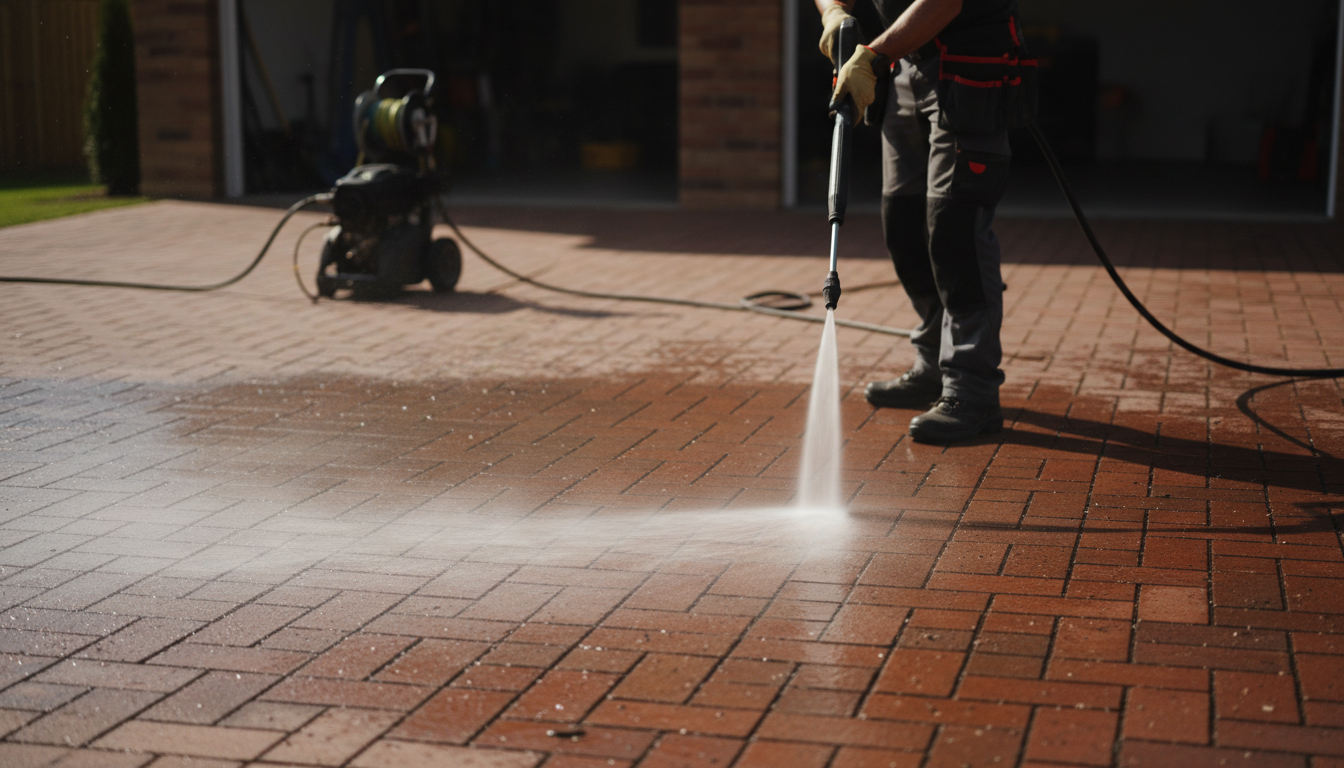
Pressure washers come in different types and sizes, and selecting the right one for your needs is crucial. Generally, there are electric and gas-powered models. Electric pressure washers are suitable for light to medium tasks, while gas-powered ones offer more power for tougher jobs. Knowing which one suits your needs can make your DIY project more manageable and effective.
Preparing to Pressure Wash
Preparation is key to successful pressure washing. Begin by examining the surface you'll be cleaning. Check for any loose paint, cracks, or damage that might need repair before you start. Also, clear the area of any obstacles and cover nearby plants or delicate items to protect them from high-pressure water.
Next, gather the necessary safety gear. Wearing goggles, gloves, and sturdy shoes is essential to protect yourself from flying debris and high-pressure water. Additionally, ensure that you understand the machine's manual and safety instructions to avoid accidents.
Choosing the Right Detergents
Using the right cleaning solution can enhance the effectiveness of your pressure washing. Not all surfaces require detergents, but for stubborn stains or mildew, a specialized cleaner can be beneficial. Ensure that the detergent you choose is suitable for the surface you are cleaning and that it is compatible with your pressure washer.
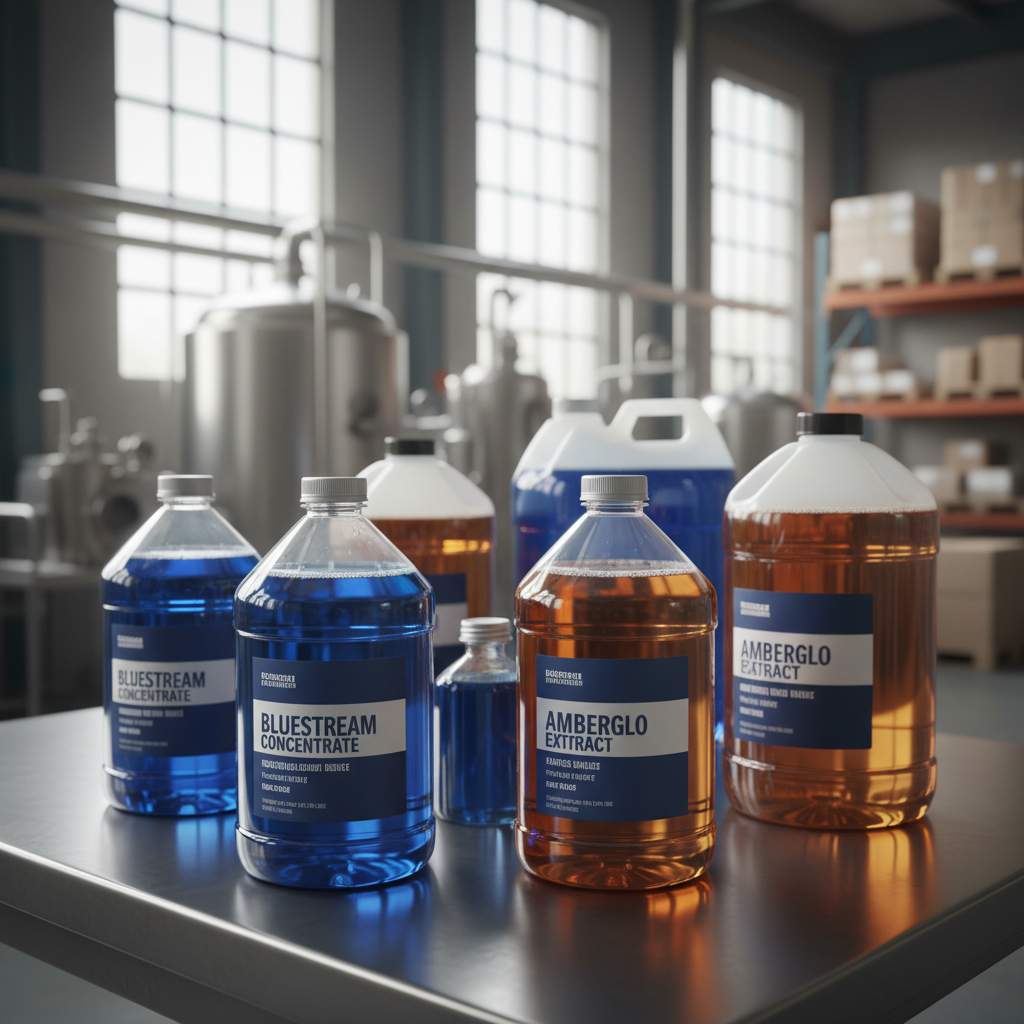
When applying detergent, let it sit for a few minutes to break down dirt and grime before rinsing thoroughly with clean water. This step helps in achieving a spotless finish without damaging the surface.
Pressure Washing Techniques
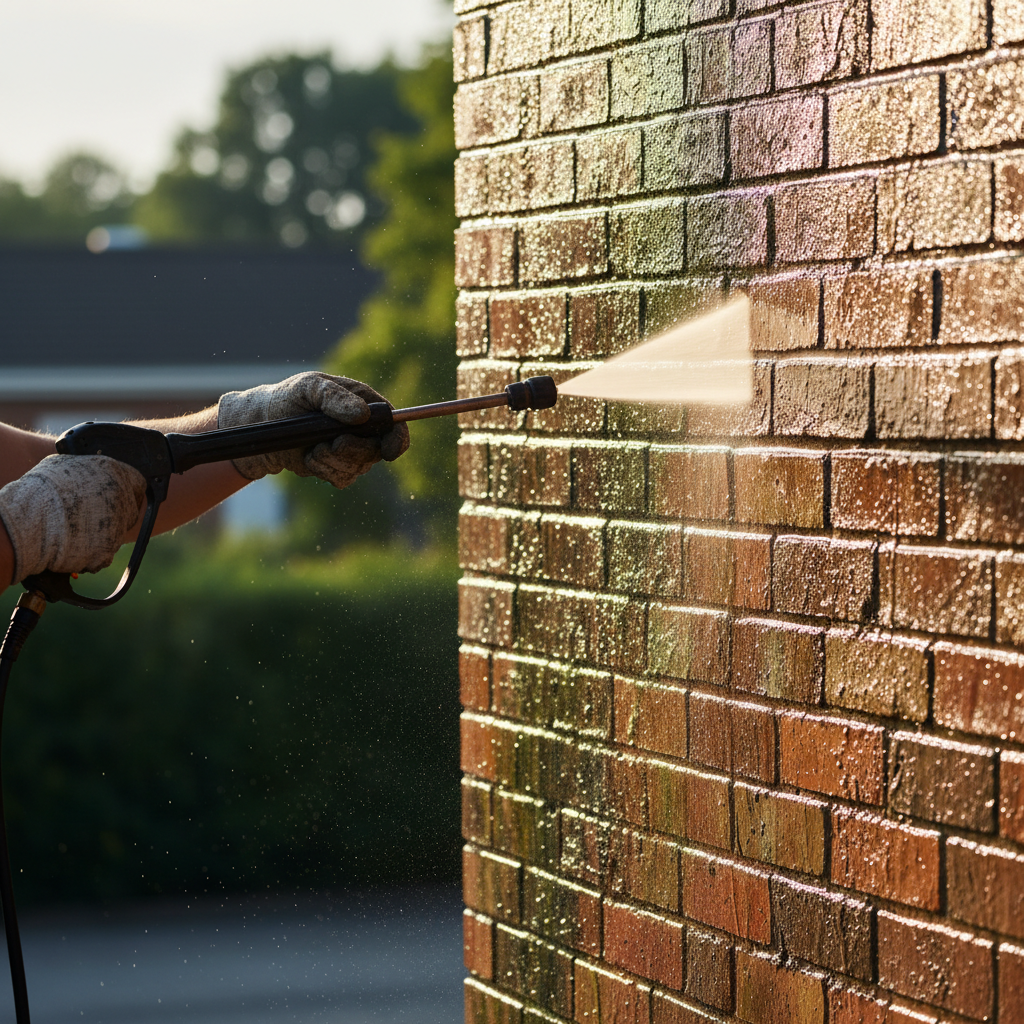
Proper technique is crucial to avoid damaging surfaces. Always start with the nozzle at a safe distance and gradually move closer if necessary. Using a sweeping motion, work in manageable sections, and avoid pointing the nozzle directly at the surface for an extended period.
For vertical surfaces, start from the bottom and work your way up to avoid streaks. When rinsing, reverse the order by starting from the top and moving down for an even clean.
Post-Cleaning Care
After completing your pressure washing task, it's essential to take care of your equipment. Rinse out any remaining detergent from the machine and hoses, and store your pressure washer in a dry, safe place. Regular maintenance will ensure that your equipment stays in good working condition for future use.
Finally, take a moment to inspect the cleaned area. Ensure that all debris and cleaning agents have been removed, and check for any damage that may have occurred during the process. Proper post-cleaning care can enhance the longevity and appearance of your surfaces.
Conclusion
DIY pressure washing can be a rewarding task that revitalizes your home's exterior. By understanding the basics, preparing adequately, choosing the right tools and products, and employing proper techniques, you can achieve professional results. Remember, safety and preparation are as important as the cleaning process itself. Happy washing!