DIY Pressure Washing: Tips for Safe and Effective Cleaning
Understanding the Basics of Pressure Washing
Pressure washing is an effective way to clean various surfaces around your home, from driveways and sidewalks to decks and siding. It uses high-pressure water spray to remove dirt, grime, mold, and other unwanted substances. While pressure washing can be a powerful cleaning method, it's important to understand the basics to ensure safety and effectiveness.
Before you begin, familiarize yourself with the different components of a pressure washer. These include the hose, nozzle, and the pressure washer unit itself. Each part plays a crucial role in the cleaning process, and knowing how to use them correctly will make your task easier and safer.
Choosing the Right Equipment
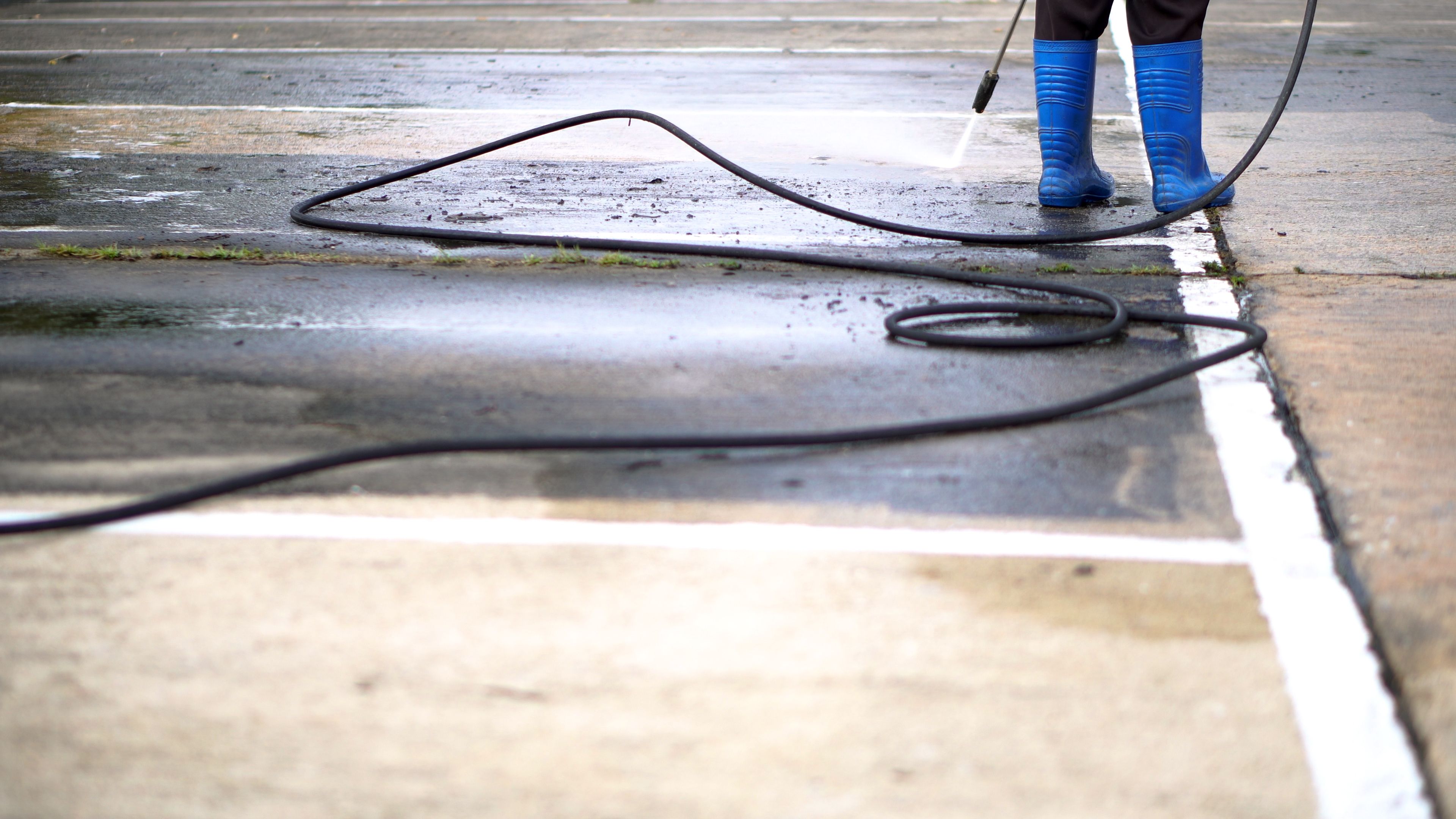
When it comes to pressure washing, selecting the right equipment is essential. Pressure washers are available in electric and gas-powered models, each with its own advantages. Electric pressure washers are typically quieter and more suitable for light-duty tasks, while gas-powered models offer more power for heavy-duty cleaning.
The nozzle is another important component to consider. Different nozzles provide varying levels of pressure and spray patterns. A 0-degree nozzle delivers a concentrated stream for tough stains, while a 25-degree nozzle offers a wider spray for general cleaning. Always choose a nozzle that matches the cleaning task at hand.
Preparing the Area for Pressure Washing
Before starting your pressure washing project, it's crucial to prepare the area properly. Begin by clearing the space of any debris, furniture, or items that could obstruct your cleaning path. This not only makes the process smoother but also prevents potential damage to your belongings.
Additionally, protect any nearby plants or delicate surfaces from the high-pressure spray. Cover them with plastic sheeting or a tarp to shield them from potential harm. Ensure all windows and doors are securely closed to avoid water seeping into your home.

Safety Tips for Pressure Washing
Safety should be your top priority when pressure washing. The high-pressure spray can cause injuries if not handled properly. Always wear protective gear such as safety goggles, gloves, and sturdy shoes to shield yourself from debris and water spray.
It's also vital to maintain a safe distance from the surface you're cleaning. Holding the nozzle too close can damage the surface or cause water to ricochet back at you. Start with the nozzle at least 18 inches away and adjust as needed.
Effective Cleaning Techniques
To achieve optimal results, use effective cleaning techniques. Begin by testing the pressure washer on a small, inconspicuous area to ensure it won't damage the surface. Use a sweeping motion, moving the nozzle steadily across the surface to clean evenly without streaks.
For stubborn stains, apply a detergent specifically designed for pressure washers. Allow the detergent to sit for a few minutes before rinsing it off with the pressure washer. This additional step can help dissolve tough grime and enhance the cleaning process.
Post-Cleaning Maintenance
Once you've completed your pressure washing task, it's important to perform some post-cleaning maintenance. Rinse your equipment thoroughly to remove any detergent or debris. Inspect the hose and nozzle for any signs of wear or damage and address any issues promptly to keep your equipment in good working condition.
Proper storage is key to prolonging the life of your pressure washer. Store it in a dry, safe place away from the elements. If you're using a gas-powered model, follow the manufacturer's instructions for storing the engine correctly.
Conclusion: Enjoy the Benefits of a Clean Space
By following these tips, you can safely and effectively pressure wash your home and enjoy the benefits of a clean, well-maintained space. Regular pressure washing not only enhances the appearance of your property but also helps prevent long-term damage caused by dirt and grime buildup.
Remember, patience and attention to detail are essential in achieving the best results. With the right equipment and techniques, your DIY pressure washing project can be both rewarding and satisfying.