Common Misconceptions About Hardscaping: Debunked
Understanding Hardscaping
Hardscaping is often misunderstood, yet it plays a crucial role in landscape design. It involves the use of non-living elements like stone, brick, and concrete to enhance outdoor spaces. Despite its popularity, several misconceptions persist about hardscaping, which can deter homeowners from fully embracing its potential.
Misconception 1: Hardscaping Is Too Expensive
A common belief is that hardscaping is prohibitively expensive. While it's true that certain materials and designs can be costly, there are numerous options to fit a range of budgets. Using materials like gravel or concrete can reduce costs significantly while still achieving a beautiful and functional design.
Moreover, investing in quality hardscaping can actually save money in the long run by reducing maintenance costs and increasing property value. Therefore, it's important to consider hardscaping as a long-term investment rather than an immediate expense.
Misconception 2: Hardscaping Is Only for Large Spaces
Another myth is that hardscaping only works in large outdoor areas. In reality, hardscaping can be tailored to fit any space, big or small. Creative use of vertical elements, such as retaining walls or raised planters, can maximize smaller spaces and add dimension.
Even a small patio or courtyard can benefit from hardscaping features like a stone pathway or a compact water feature. The key is to design with scale and proportion in mind, ensuring each element complements the overall space.
Misconception 3: Hardscaping Lacks Natural Beauty
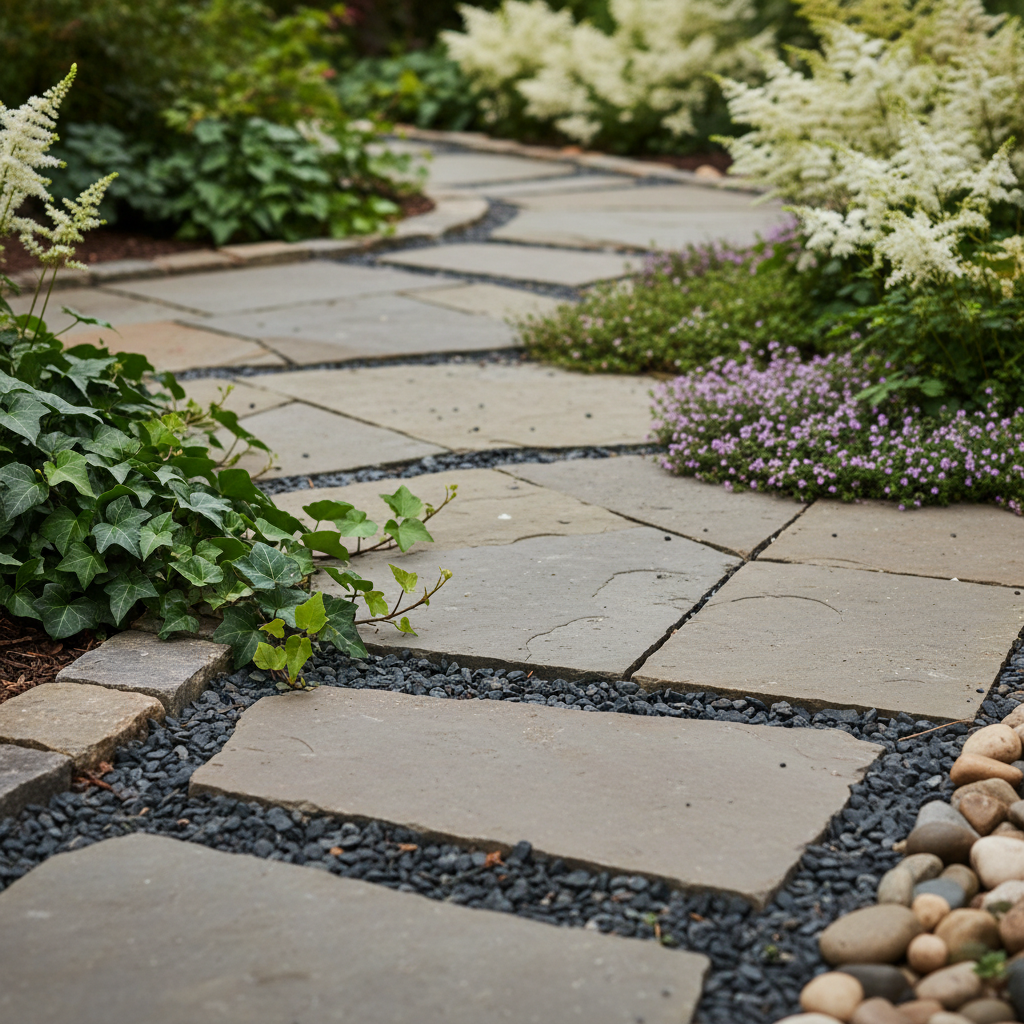
Some people think hardscaping results in a cold, unnatural look. However, when done correctly, hardscaping can enhance the natural beauty of an outdoor area. By blending hard elements with softscaping, such as plants and flowers, you can create a harmonious, inviting environment.
The use of natural stone or wood can add warmth and texture, while features like ponds or fountains introduce a soothing element. The integration of greenery with hardscaping elements can result in a stunningly balanced outdoor space.
Misconception 4: Hardscaping Requires High Maintenance
Many believe that hardscaped areas demand constant upkeep. In fact, one of the benefits of hardscaping is its low-maintenance nature. Unlike lawns that need regular mowing or gardens that require frequent weeding, hardscaped areas generally need only occasional cleaning and sealing.
By choosing durable materials and proper installation, homeowners can enjoy a beautiful and functional outdoor space with minimal effort. Hardscaping elements are designed to withstand the elements, making them a practical choice for any climate.
Conclusion: Embracing Hardscaping's Potential
By debunking these common misconceptions, it's clear that hardscaping offers numerous benefits and possibilities for any outdoor space. Whether you're looking to enhance a small garden or create an expansive patio, hardscaping can provide a durable, attractive solution that complements your lifestyle and budget.