Common Lawn Care Mistakes and How to Avoid Them
Overwatering Your Lawn
One of the most common lawn care mistakes is overwatering. Many homeowners believe that the more water their grass receives, the healthier it will be. However, excessive watering can lead to waterlogged soil, which suffocates roots and promotes the growth of fungi and diseases. It's important to water your lawn deeply but infrequently, allowing the soil to dry out between waterings.

To avoid overwatering, consider investing in a rain gauge or a moisture sensor. These tools can help you determine when your lawn truly needs water. Additionally, aim to water your lawn early in the morning when evaporation rates are lower, ensuring that more moisture reaches the roots.
Mowing Mistakes
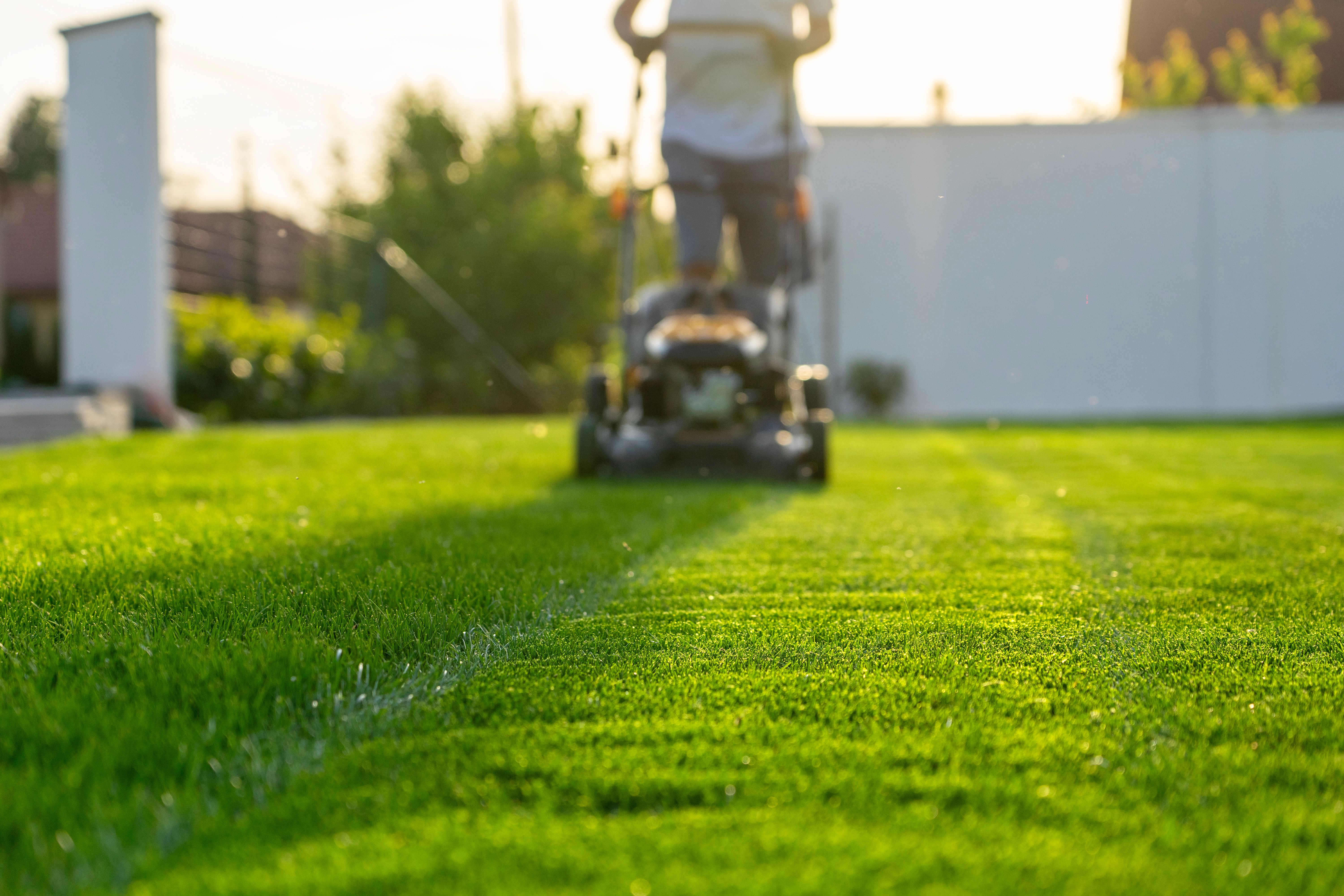
Another frequent mistake is improper mowing. Mowing too short can stress your grass, making it more susceptible to pests and diseases. On the other hand, allowing the grass to grow too long before cutting can lead to thatch build-up and uneven growth.
To maintain a healthy lawn, follow the one-third rule: never cut more than one-third of the grass blade at a time. Additionally, keep your mower blades sharp to ensure a clean cut that heals quickly. Regular mowing not only keeps your lawn looking neat but also encourages thicker growth.
Ignoring Soil Health
While many focus on the grass itself, the health of your lawn's soil is equally crucial. Neglecting soil health can lead to poor grass growth and increased vulnerability to weeds and diseases. Conducting a soil test can provide insights into what nutrients your soil lacks.
Based on the results, you may need to amend your soil with lime to adjust pH levels or add organic matter like compost to improve soil structure and fertility. Regularly aerating your lawn can also enhance soil health by alleviating compaction and improving root penetration.
Incorrect Fertilization
Fertilization is essential for a lush lawn, but applying too much or using the wrong type can cause more harm than good. Over-fertilization can lead to nutrient runoff and environmental pollution, while under-fertilization can leave your lawn weak and thin.
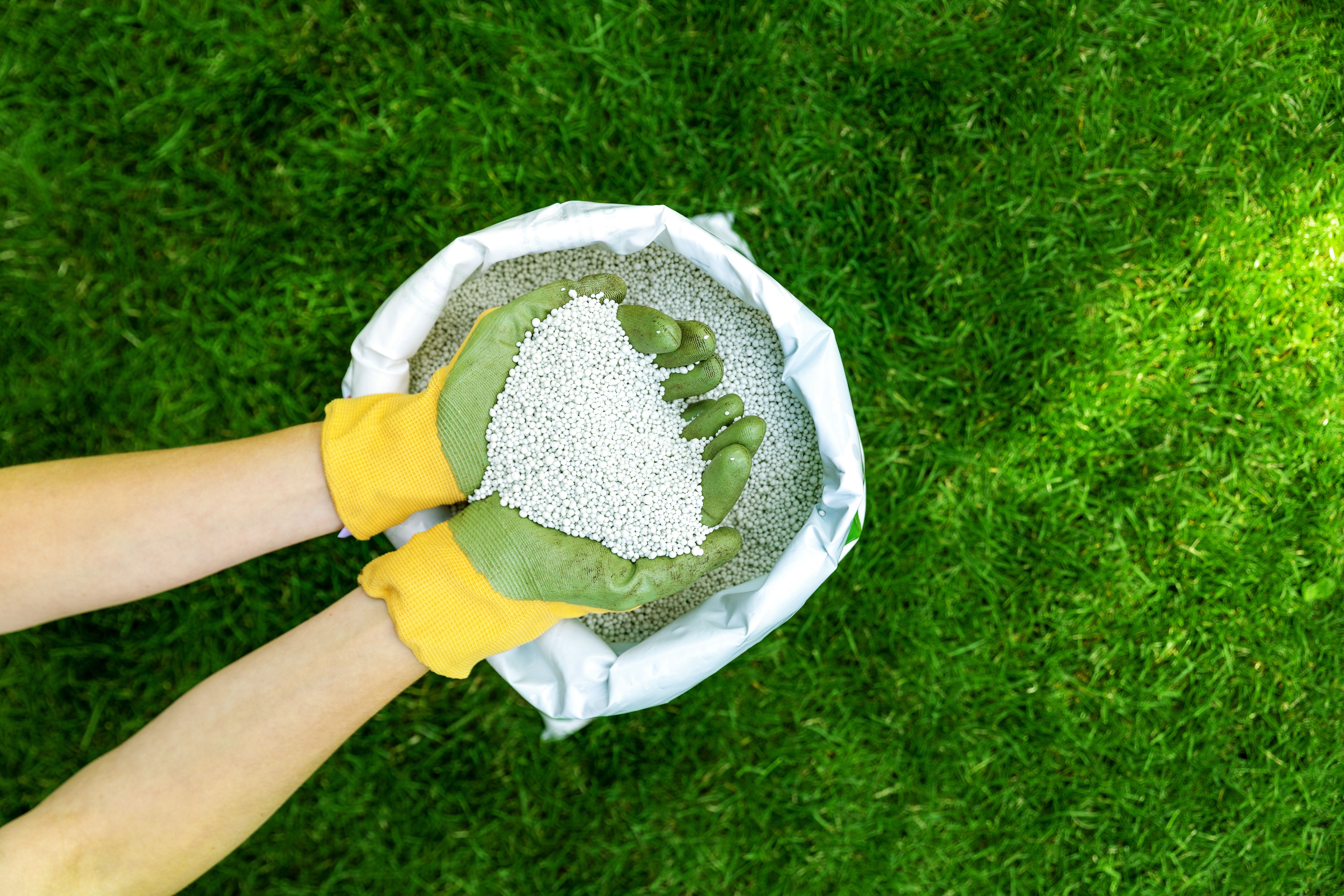
To avoid these issues, use a slow-release fertilizer and follow application guidelines based on your grass type and climate. It's best to fertilize in the spring and fall when grass growth is most vigorous. Remember, a well-fed lawn is more resistant to weeds, drought, and diseases.
Overlooking Weed Control
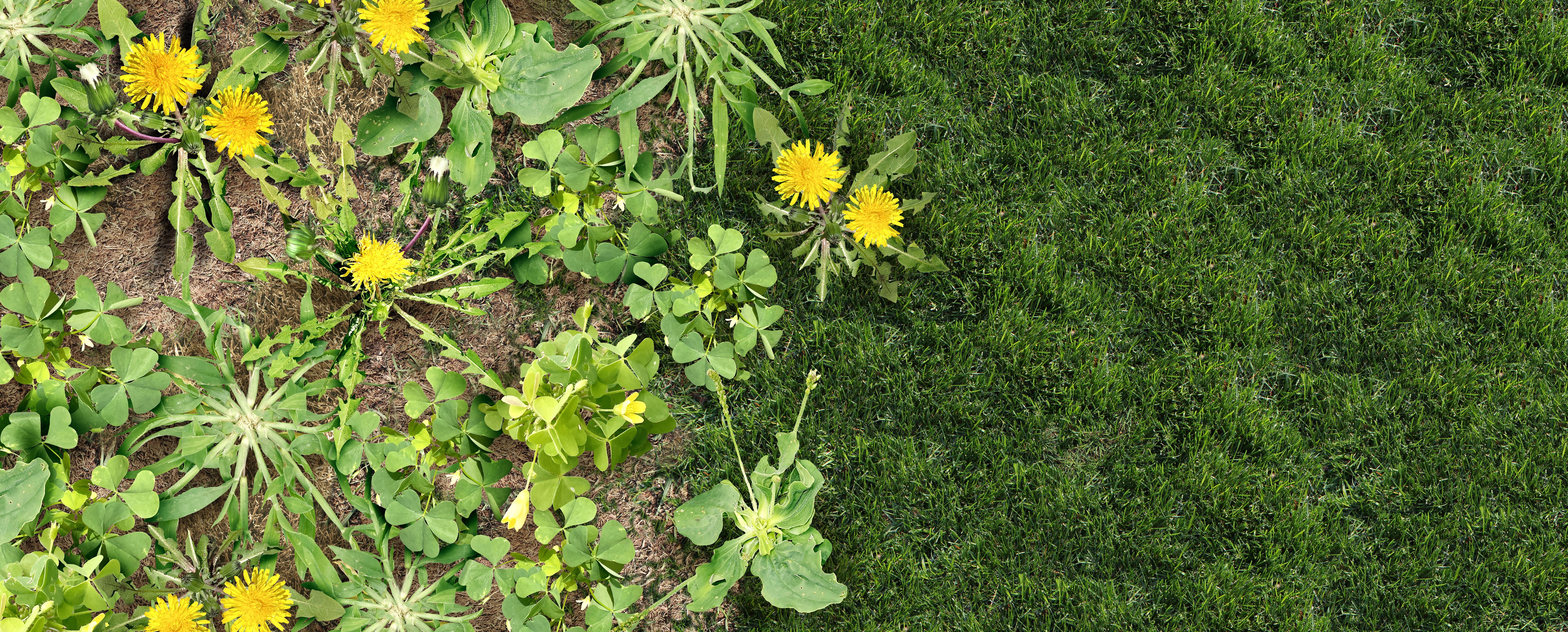
Weeds are a common nuisance in lawns and can quickly take over if not managed properly. Many homeowners make the mistake of only addressing weeds when they become visible, but prevention is key. Regularly inspecting your lawn and removing weeds before they set seed can save you time and effort in the long run.
Consider using pre-emergent herbicides in early spring to prevent weed seeds from germinating. Additionally, maintaining a thick, healthy lawn through proper mowing, watering, and fertilization can naturally crowd out weeds and reduce their spread.
Lack of Seasonal Adjustments
Lawn care needs change with the seasons, and failing to adjust your routine accordingly can lead to problems. For instance, watering schedules should be reduced during cooler months to prevent overwatering. Similarly, adjusting mowing height in response to seasonal growth patterns can promote lawn health.
In winter, ensure your lawn is prepared for dormancy by clearing debris and applying a winterizing fertilizer if needed. In contrast, spring is the time for reseeding thin areas and applying pre-emergent herbicides.
Conclusion
Avoiding common lawn care mistakes requires understanding your lawn's specific needs and adapting your practices accordingly. By focusing on proper watering, mowing, soil health, fertilization, weed control, and seasonal adjustments, you can achieve a vibrant and resilient lawn. Remember that patience and consistency are key; with time and care, your efforts will yield lush results.