Common Landscaping Mistakes and How to Avoid Them
Overlooking Soil Quality
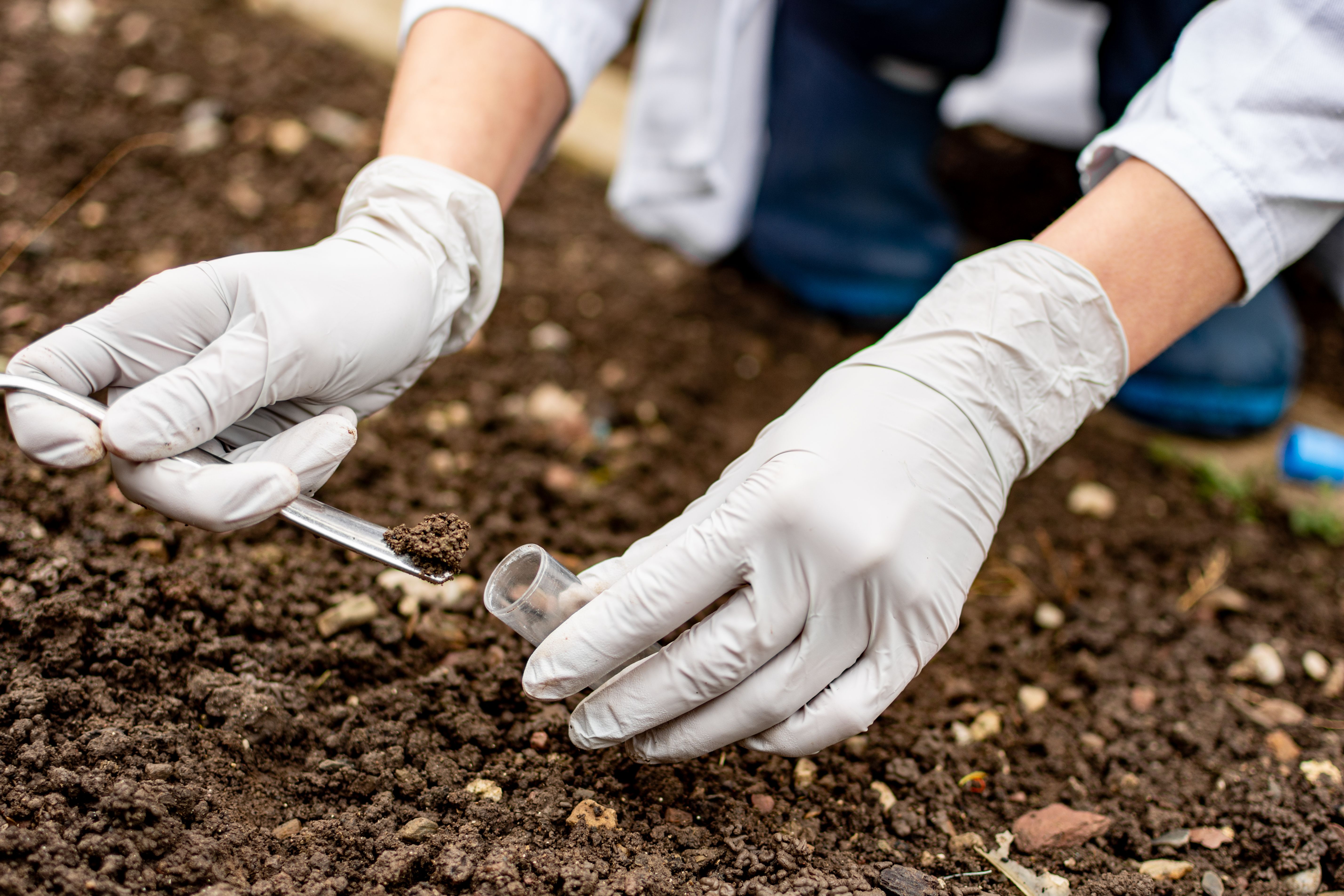
One of the most common mistakes in landscaping is neglecting soil quality. Healthy soil is the foundation of any successful landscape. Poor soil can lead to unhealthy plants and wasted resources. Before planting, test your soil to determine its pH and nutrient levels. This will help you decide whether you need to amend it with compost or other materials to create a fertile environment for your plants.
How to Improve Soil Quality
To enhance soil quality, consider adding organic matter like compost or well-rotted manure. These materials improve soil structure, water retention, and nutrient content. Regularly mulching your garden beds also helps maintain soil health by conserving moisture and suppressing weeds.
Ignoring Plant Hardiness Zones
Choosing plants without considering your region’s hardiness zone is another frequent error. Plant hardiness zones indicate which plants are most likely to thrive in specific climates. Ignoring these zones can result in plants that struggle to survive due to unsuitable temperature and weather conditions.

Selecting the Right Plants
Research your local hardiness zone and select plants that are well-suited to your climate. This ensures that your landscape will be both beautiful and sustainable. Native plants are often an excellent choice as they are adapted to local conditions and require less maintenance.
Overplanting and Poor Spacing
Overplanting and not allowing enough space for growth can lead to overcrowded landscapes. This not only affects the aesthetic appeal but also the health of your plants, as they compete for resources. Proper spacing is crucial for ensuring that each plant has enough room to grow and flourish.
Planning for Growth
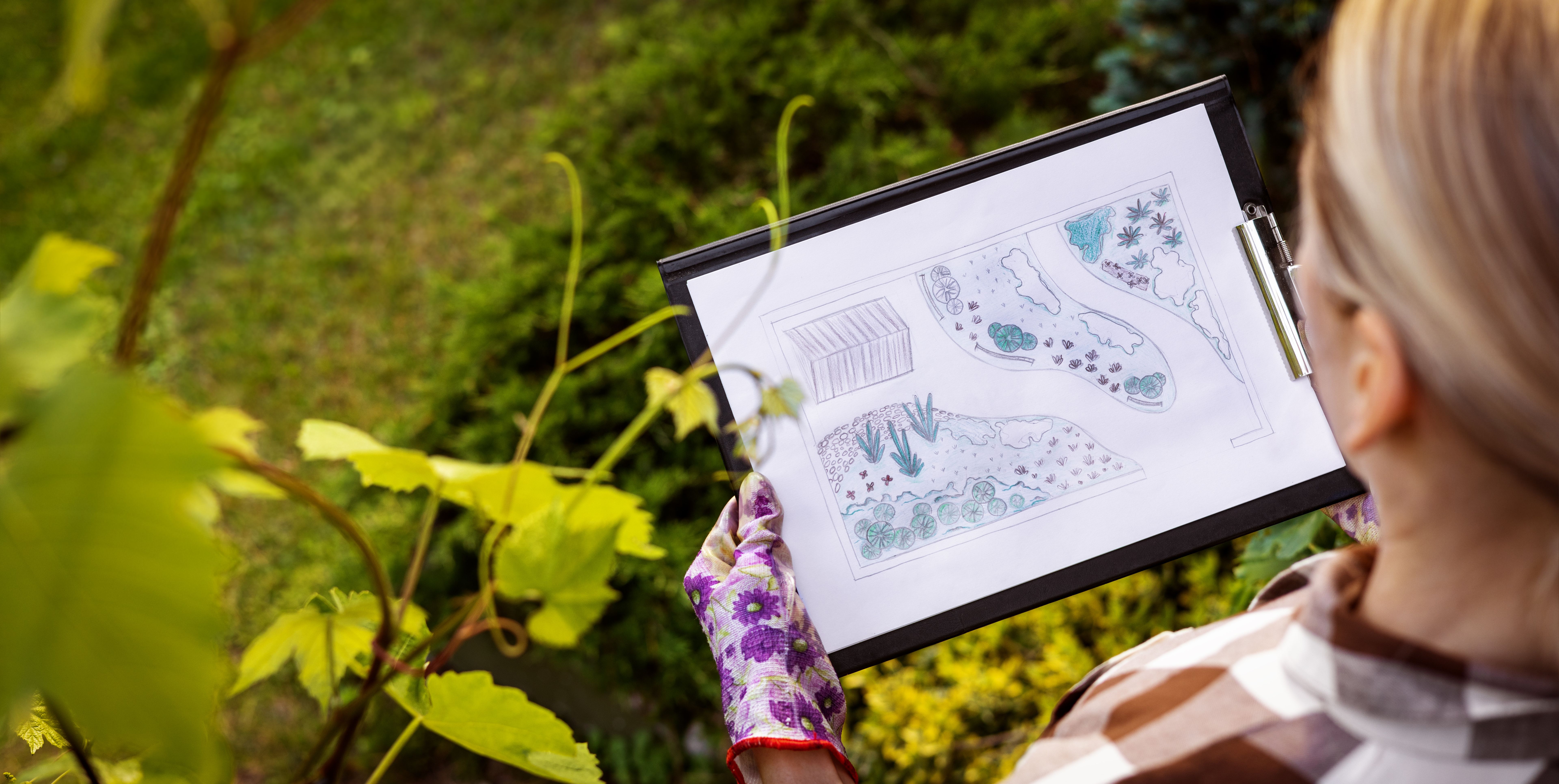
Before planting, research the mature size of your chosen plants and plan accordingly. Use a landscape design plan to visualize your garden and ensure that each plant has adequate space. This foresight will prevent the need for future transplanting and reduce maintenance.
Neglecting Regular Maintenance
Regular maintenance is essential to keep your landscape looking its best. Many homeowners make the mistake of thinking that once their garden is planted, it requires little attention. However, landscapes need consistent care to thrive.
Establishing a Maintenance Routine
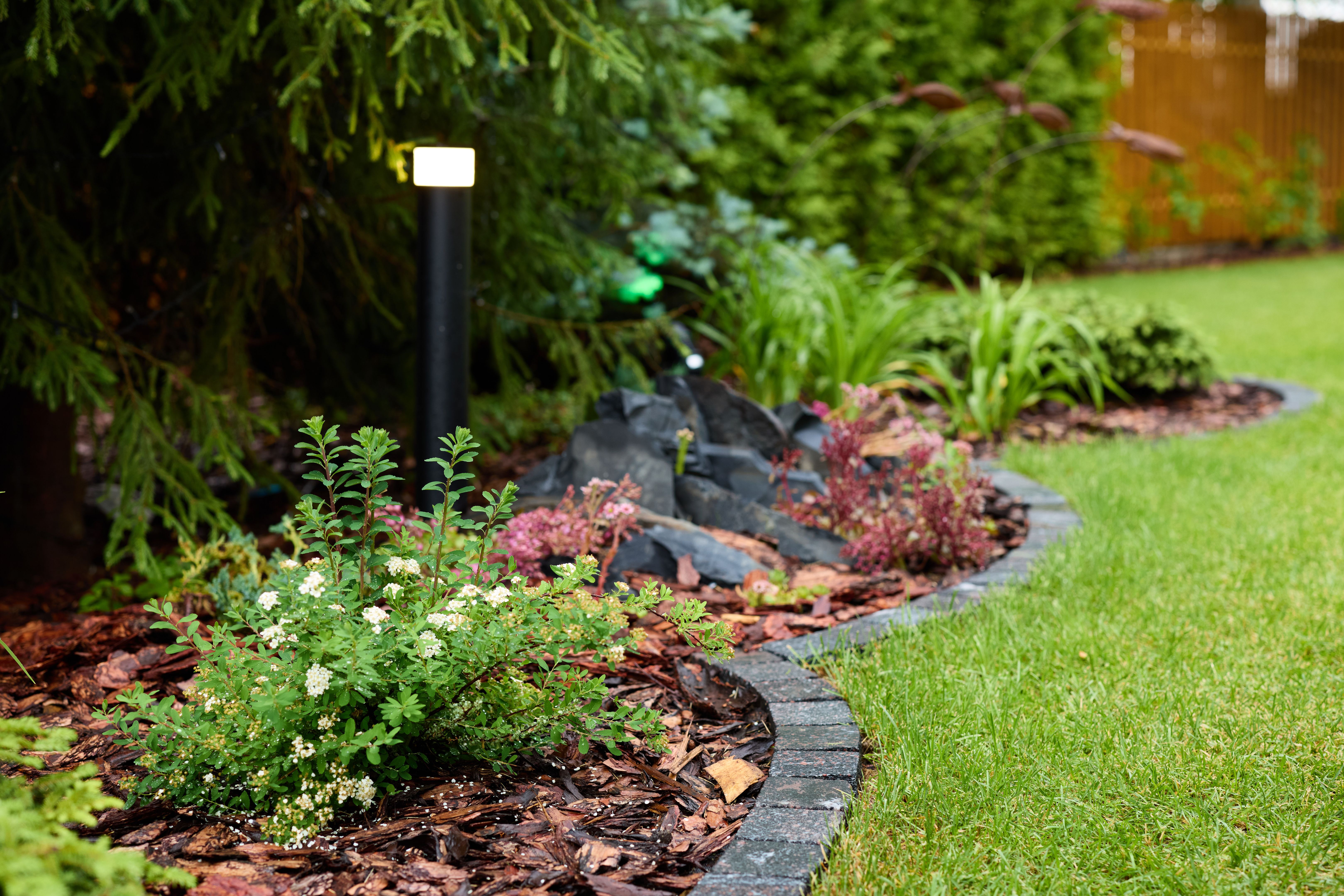
Develop a maintenance schedule that includes tasks such as watering, pruning, weeding, and fertilizing. Regularly inspect your plants for signs of pests or diseases and address any issues promptly. A well-maintained landscape not only enhances your home’s curb appeal but also adds value to your property.
Overlooking Watering Needs
Improper watering is a common mistake that can lead to plant stress and decline. Both overwatering and underwatering can be detrimental to plant health. Understanding the specific watering needs of your plants is vital for maintaining a thriving landscape.
Efficient Watering Practices
Group plants with similar water requirements together to make watering more efficient. Consider using drip irrigation systems or soaker hoses, which deliver water directly to the plant roots and reduce evaporation. Watering early in the morning or late in the afternoon also minimizes water loss.