5 Common Landscaping Myths Debunked by Experts
Myth 1: Native Plants Are Always the Best Choice
While native plants are often recommended for their adaptability and ecological benefits, they are not always the best choice for every garden. Experts point out that the suitability of native plants can vary based on specific environmental conditions and personal preferences. Consider your local climate, soil type, and the overall design you envision for your landscape.
It’s important to research and possibly consult a professional to determine which plants will thrive best in your specific area. Sometimes, non-native species may provide the aesthetic or functional benefits you're looking for without harming the local ecosystem.
Myth 2: More Water Equals a Greener Lawn
A common misconception is that frequent watering will result in a lush, green lawn. However, overwatering can be detrimental, leading to shallow root growth, increased susceptibility to disease, and water waste. Experts advise on implementing a deep and infrequent watering schedule to encourage healthy root systems.
Proper lawn care involves understanding the specific needs of your grass type. Consider the seasonal changes and adjust your watering habits accordingly. This approach not only conserves water but also promotes a more resilient lawn.
Myth 3: Fertilizer is the Cure-All for Plant Health
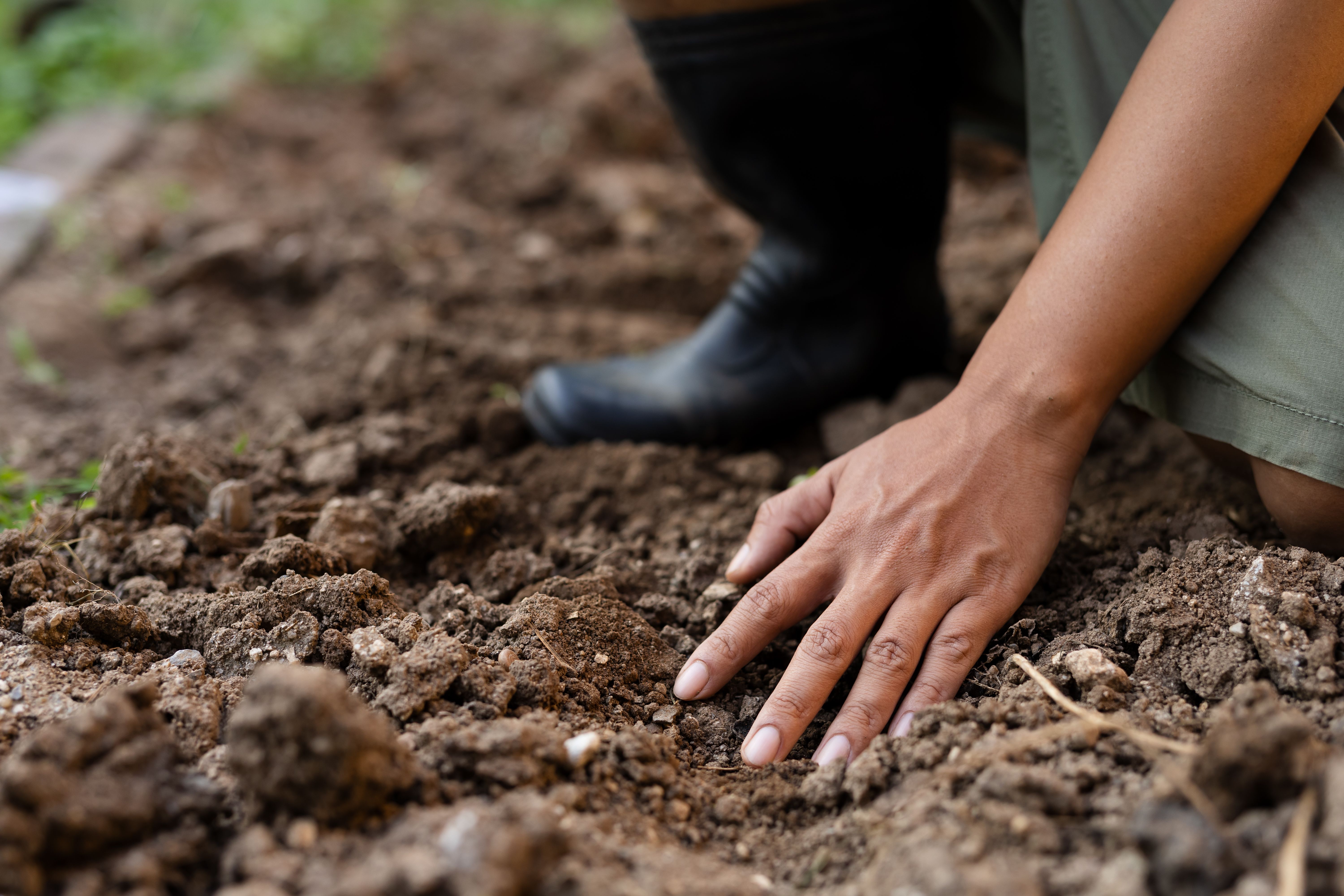
While fertilizers are important for providing essential nutrients, they are not a solution to all plant health issues. Over-fertilizing can lead to nutrient imbalances and even harm plants. Experts recommend performing a soil test before deciding on a fertilization plan to ensure you're meeting your plants' specific needs.
Understanding the nutrient content and pH level of your soil can guide you in selecting the right type and amount of fertilizer. This informed approach can prevent overuse and protect both your plants and the environment.
Myth 4: Pruning Can Be Done Anytime
Pruning is a crucial part of plant care, but timing is everything. Pruning at the wrong time can stress plants and inhibit growth. Experts highlight that the ideal time to prune varies among plant species. Generally, late winter or early spring is suitable for most plants, but it's essential to research specific timing for each type in your garden.
Proper pruning techniques also play a key role in maintaining plant health and structure. Using the right tools and methods helps promote new growth and prevent disease.
Myth 5: All Mulch is Created Equal
Mulch is a valuable tool in landscaping, but not all mulch types offer the same benefits. Some mulches may introduce weeds, pests, or even diseases to your garden. Experts suggest choosing high-quality mulch and considering the specific needs of your plants.
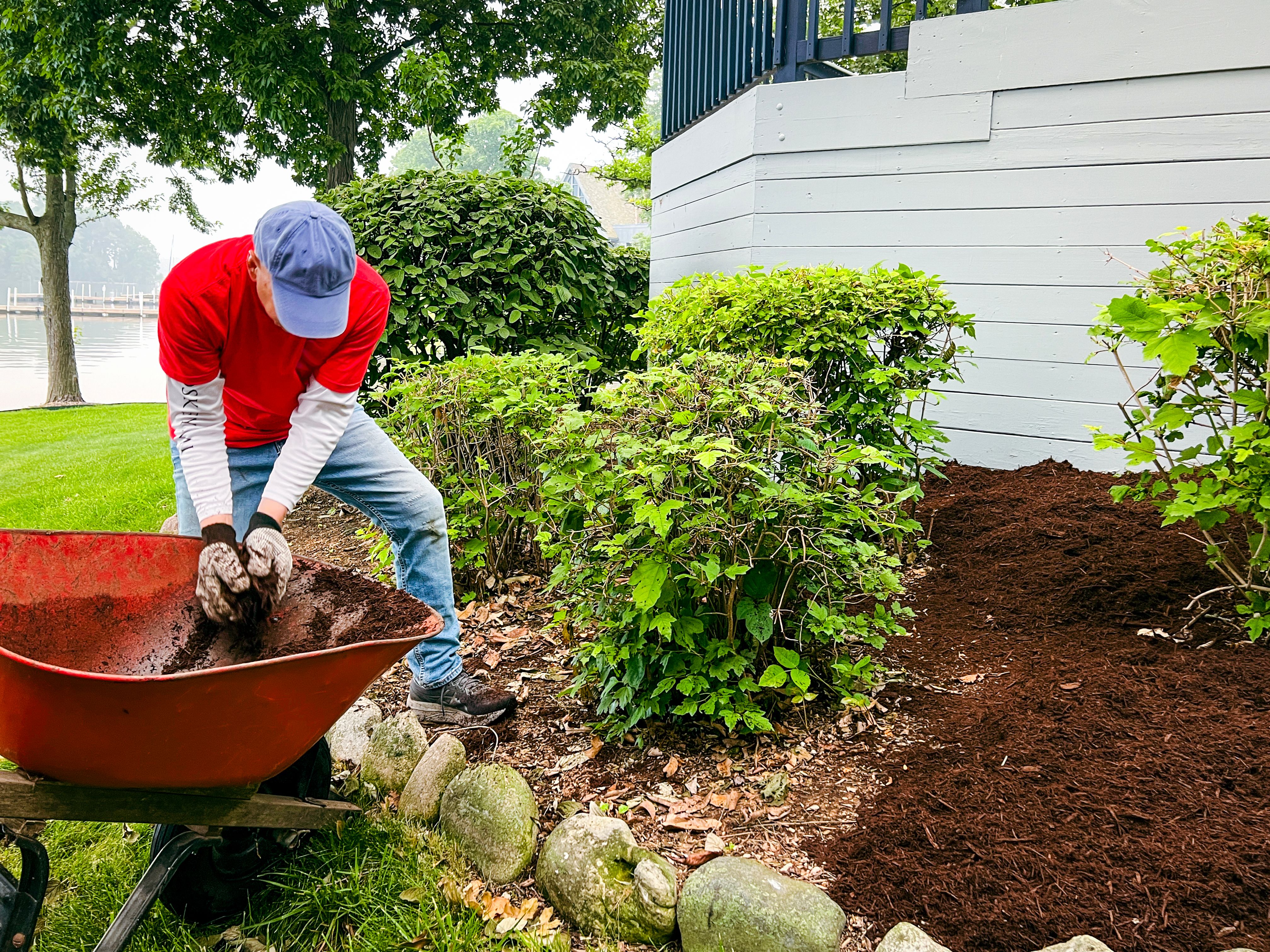
Organic mulches, such as shredded bark or compost, can improve soil quality as they decompose. In contrast, inorganic options like gravel may be better suited for certain aesthetic purposes or areas requiring minimal maintenance.
By debunking these common landscaping myths, you can make informed decisions that enhance both the beauty and health of your garden. Always consider expert advice and research thoroughly to ensure your landscaping efforts are successful.